The great-circle route bulges north across the Atlantic, so the right side faces the higher latitudes where southern Iceland, Greenland's fjord coast, and the Labrador/Newfoundland shoreline can appear on clear days, plus it captures both the Warsaw skyline on departure and Manhattan on arrival. The left side spends nearly the entire flight facing open, featureless ocean to the south.
Flight Path
North Atlantic Ocean, southern coast of Iceland, Greenland's southeastern fjords (weather permitting), Labrador Sea and the Newfoundland coastline
Great circle distance and headings ›
.jpg?width=600)
Phase by phase
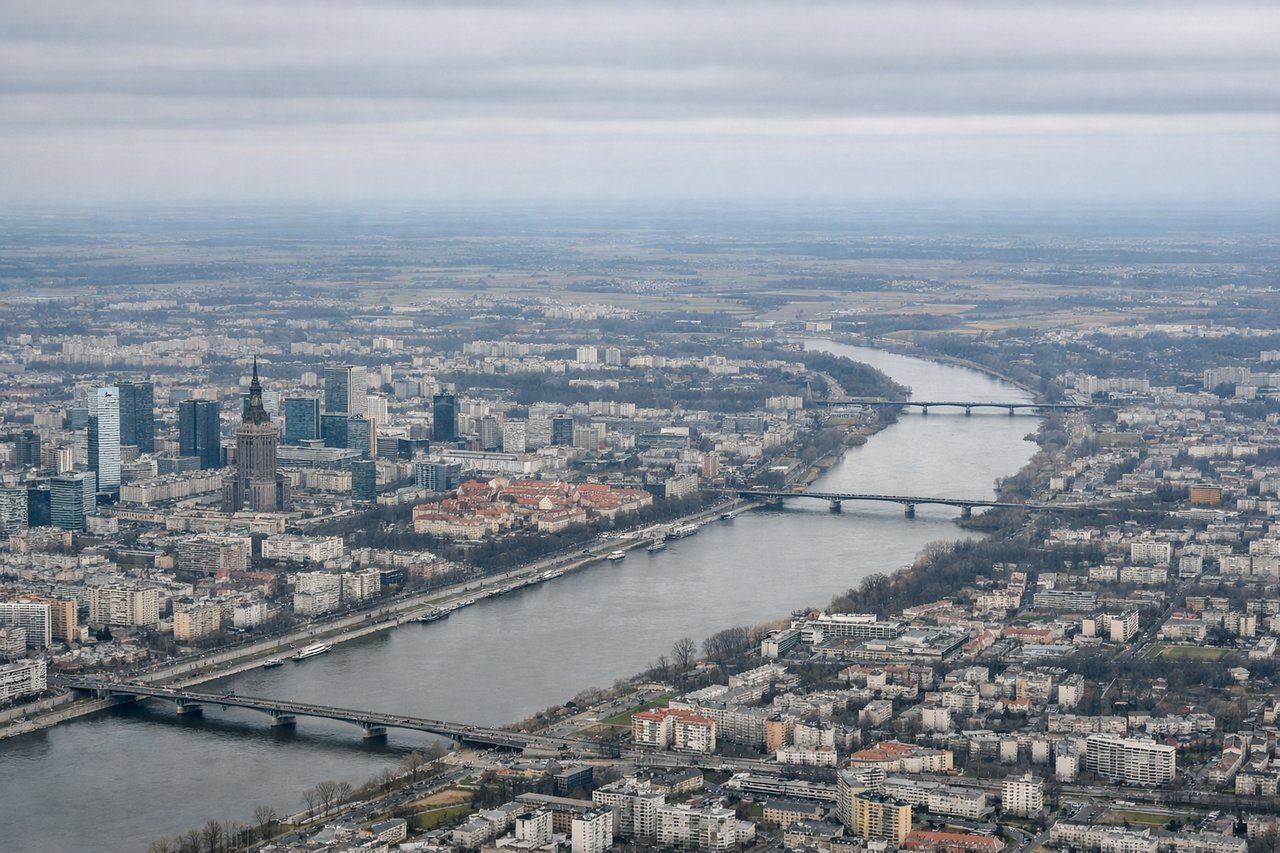
Takeoff from WAW
RIGHTDeparting Okecie on runway 29, the aircraft climbs west away from the city, putting Warsaw's skyline and the Vistula River's bends on the right side of the cabin. The left side only shows flat farmland stretching toward Katowice.
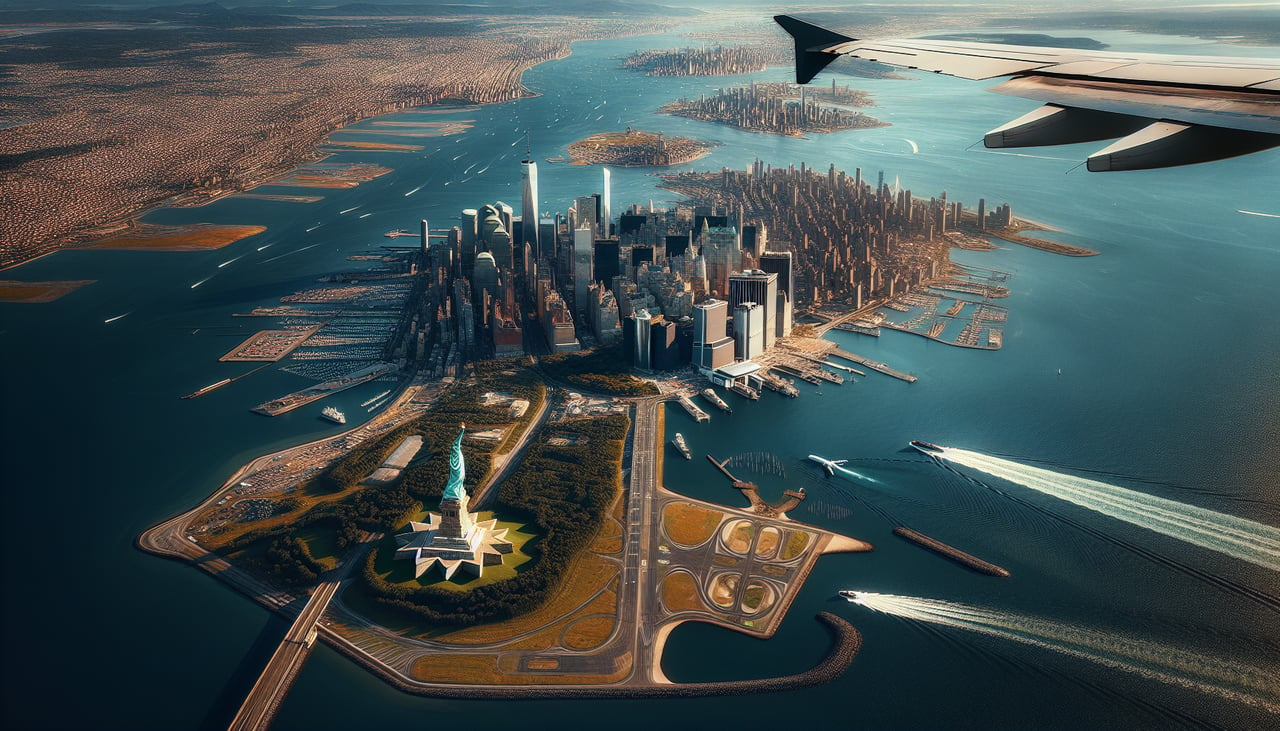
Landing at JFK
RIGHTArrivals into JFK from the northeast typically fly down over Long Island Sound before turning onto final approach for runway 22, and during that turn the Manhattan skyline and Jamaica Bay's wetlands become visible on the right side. The left side mainly faces the open Atlantic and Rockaway beaches with less variety.
Landmarks on this routeAll landmarks →
Will your flight be in sunlight?
See exactly which side of the plane gets sun and shade at your departure time.
About This Route
Which side of the plane should I sit on flying from Okecie (WAW) to John F Kennedy International (JFK)?
Sit on the Right side of the plane for the best views on flights from Warsaw to New York. The great-circle route bulges north across the Atlantic, so the right side faces the higher latitudes where southern Iceland, Greenland's fjord coast, and the Labrador/Newfoundland shoreline can appear on clear days, plus it captures both the Warsaw skyline on departure and Manhattan on arrival. The left side spends nearly the entire flight facing open, featureless ocean to the south.
What can I see during takeoff from Okecie in Warsaw?
During takeoff from Okecie (WAW), sit on the Right side for the best views. Departing Okecie on runway 29, the aircraft climbs west away from the city, putting Warsaw's skyline and the Vistula River's bends on the right side of the cabin. The left side only shows flat farmland stretching toward Katowice. Notable sights include: Warsaw skyline (Palace of Culture and Science), Vistula River bends, Kampinos Forest, Warsaw's northern suburbs.
What can I see when landing at John F Kennedy International in New York?
When landing at John F Kennedy International (JFK), sit on the Right side for the best views. Arrivals into JFK from the northeast typically fly down over Long Island Sound before turning onto final approach for runway 22, and during that turn the Manhattan skyline and Jamaica Bay's wetlands become visible on the right side. The left side mainly faces the open Atlantic and Rockaway beaches with less variety. Notable sights include: Manhattan skyline, Jamaica Bay wetlands, Long Island Sound coastline, Rockaway Peninsula.
How long is the flight from Warsaw to New York?
The flight from Okecie (WAW) to John F Kennedy International (JFK) takes 9h 50m.
What does the Warsaw to New York flight path pass over?
North Atlantic Ocean, southern coast of Iceland, Greenland's southeastern fjords (weather permitting), Labrador Sea and the Newfoundland coastline