The left side wins on the strength of the dramatic Singapore departure view and the likelihood of catching distant mountainous terrain (Hindu Kush foothills, Caucasus ridgelines) during the cruise phase as the flight path curves northwest across Asia, giving it more variety than the right side's mostly flat overland cruise segments.
Flight Path
The route crosses the Bay of Bengal, mainland India, the Hindu Kush foothills near Afghanistan, the arid plains of Central Asia (Uzbekistan/Kazakhstan), the Caspian Sea, and the Caucasus Mountains before continuing over the Black Sea region and Eastern Europe toward the Baltic.
Great circle distance and headings ›

.jpg?width=600)


Phase by phase
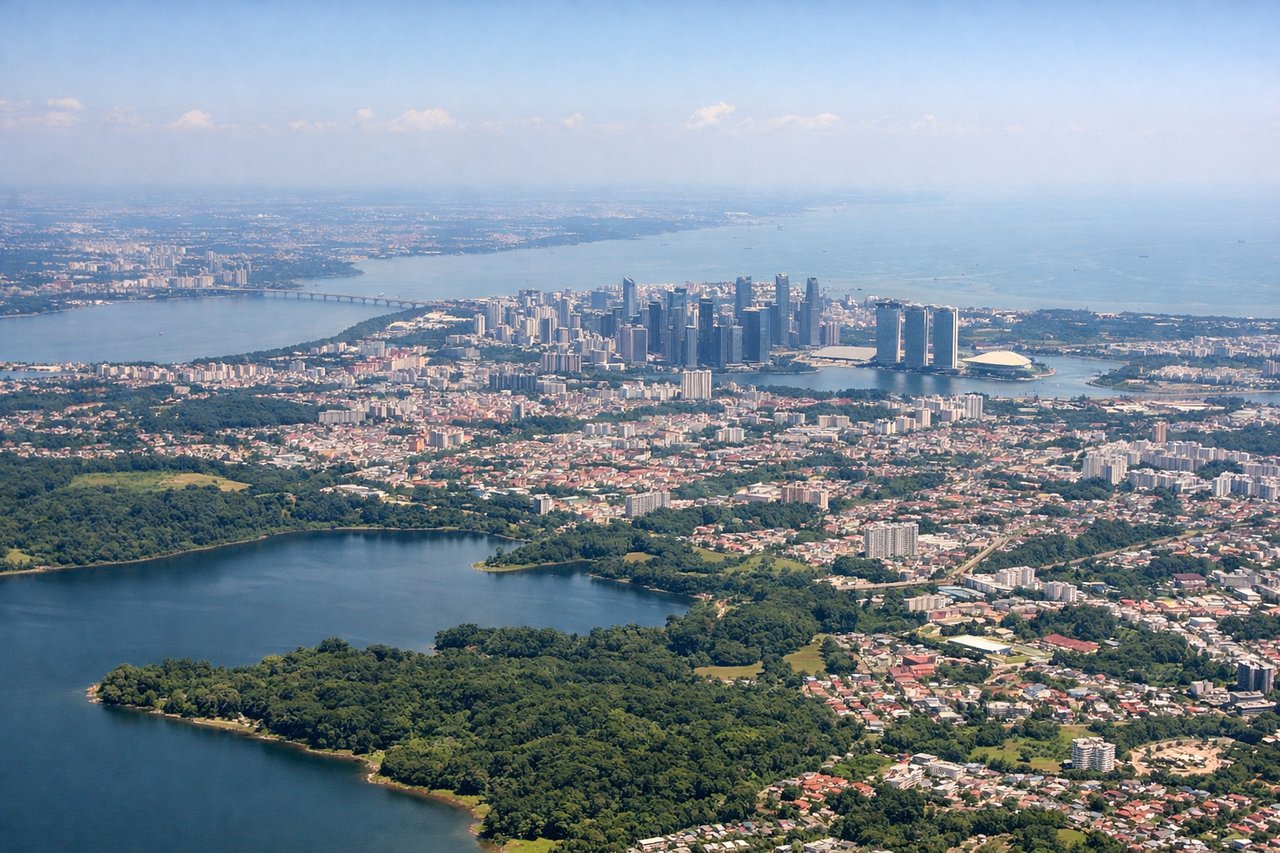
Takeoff from XSP
LEFTDeparting Seletar and turning northwest toward the long-haul routing, the left side offers a sweeping view of the Singapore skyline, the Johor Strait, and the ship-crowded Strait of Malacca before the coastline fades into the South China Sea haze.
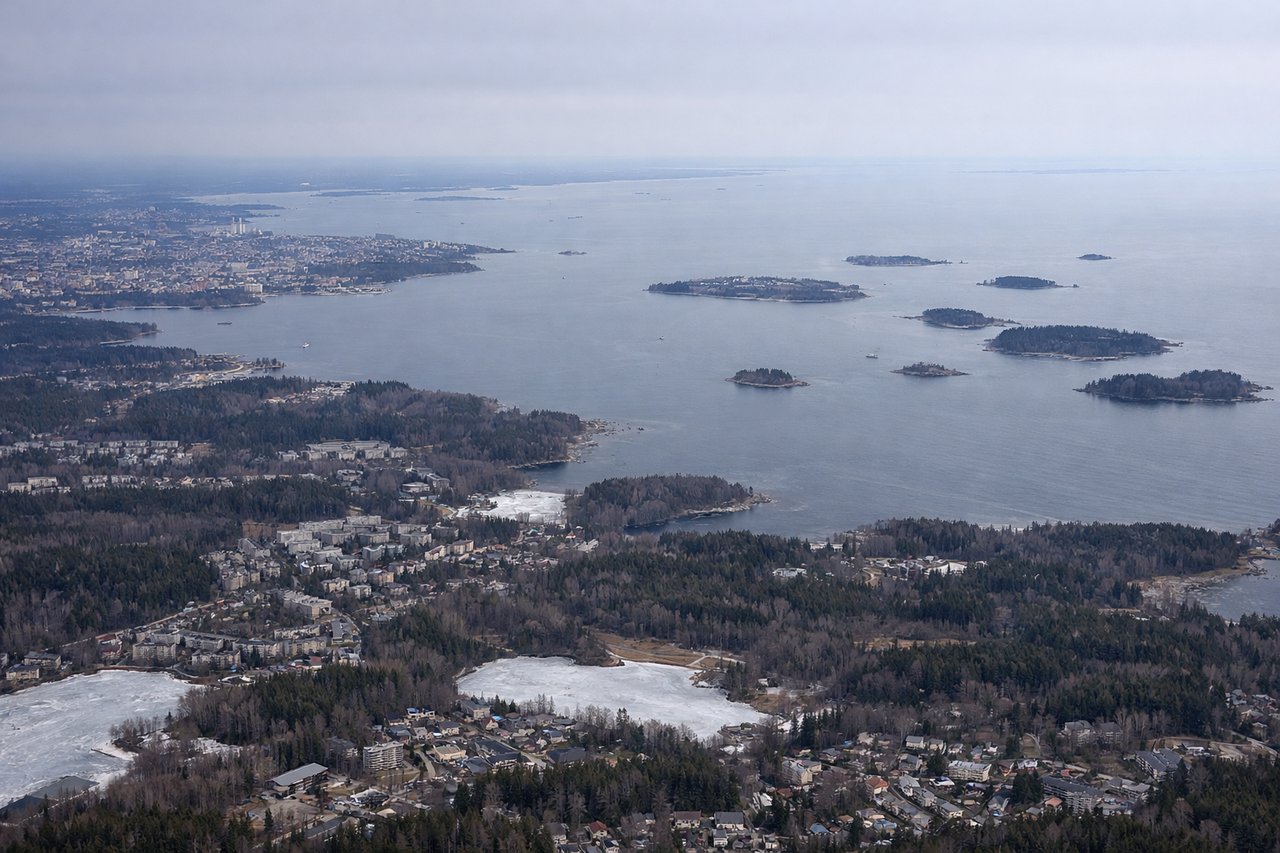
Landing at HEL
RIGHTOn approach into Helsinki-Vantaa from the northeast, the right side reveals the fragmented Helsinki archipelago and the Gulf of Finland coastline, with glimpses of the city's harbor islands before the aircraft turns onto final approach over forested terrain.
Landmarks on this routeAll landmarks →
Will your flight be in sunlight?
See exactly which side of the plane gets sun and shade at your departure time.
About This Route
Which side of the plane should I sit on flying from Seletar (XSP) to Helsinki Vantaa (HEL)?
Sit on the Left side of the plane for the best views on flights from Singapore to Helsinki. The left side wins on the strength of the dramatic Singapore departure view and the likelihood of catching distant mountainous terrain (Hindu Kush foothills, Caucasus ridgelines) during the cruise phase as the flight path curves northwest across Asia, giving it more variety than the right side's mostly flat overland cruise segments.
What can I see during takeoff from Seletar in Singapore?
During takeoff from Seletar (XSP), sit on the Left side for the best views. Departing Seletar and turning northwest toward the long-haul routing, the left side offers a sweeping view of the Singapore skyline, the Johor Strait, and the ship-crowded Strait of Malacca before the coastline fades into the South China Sea haze. Notable sights include: Singapore city skyline (Marina Bay/CBD), Johor Strait, Strait of Malacca shipping lanes, Johor Bahru coastline.
What can I see when landing at Helsinki Vantaa in Helsinki?
When landing at Helsinki Vantaa (HEL), sit on the Right side for the best views. On approach into Helsinki-Vantaa from the northeast, the right side reveals the fragmented Helsinki archipelago and the Gulf of Finland coastline, with glimpses of the city's harbor islands before the aircraft turns onto final approach over forested terrain. Notable sights include: Helsinki archipelago islands, Gulf of Finland coastline, Suomenlinna fortress island, scattered Finnish lakes and pine forest.
How long is the flight from Singapore to Helsinki?
The flight from Seletar (XSP) to Helsinki Vantaa (HEL) takes 11h 30m.
What does the Singapore to Helsinki flight path pass over?
The route crosses the Bay of Bengal, mainland India, the Hindu Kush foothills near Afghanistan, the arid plains of Central Asia (Uzbekistan/Kazakhstan), the Caspian Sea, and the Caucasus Mountains before continuing over the Black Sea region and Eastern Europe toward the Baltic.