Left seats capture the most dramatic geography: Nordic archipelago and Baltic coastline on departure, and during the long cruise over Russia, Scandinavia, and Central Asia, left-side windows face the most varied terrain. The descent into Singapore favors right seats, but the departure and majority of the flight duration favor left.
Flight Path
The flight path crosses the Baltic Sea, then traverses Russia (Ural Mountains visible from cruise altitude around 35,000 feet as a distant ridge on the horizon if flying the southern corridor), the Caspian Sea region, Central Asia (Turkmenistan and Uzbekistan deserts), the Hindu Kush and Pamir mountain ranges (visible as a jagged line on the horizon during daylight), northern Pakistan and Afghanistan, then descends through Indian airspace and the Bay of Bengal before reaching Southeast Asia. Left seats offer better views of the Urals and mountain ranges; right seats see the Caspian Sea and Central Asian steppes more directly.
Great circle distance and headings ›

.jpg?width=600)


Phase by phase
Takeoff from HEL
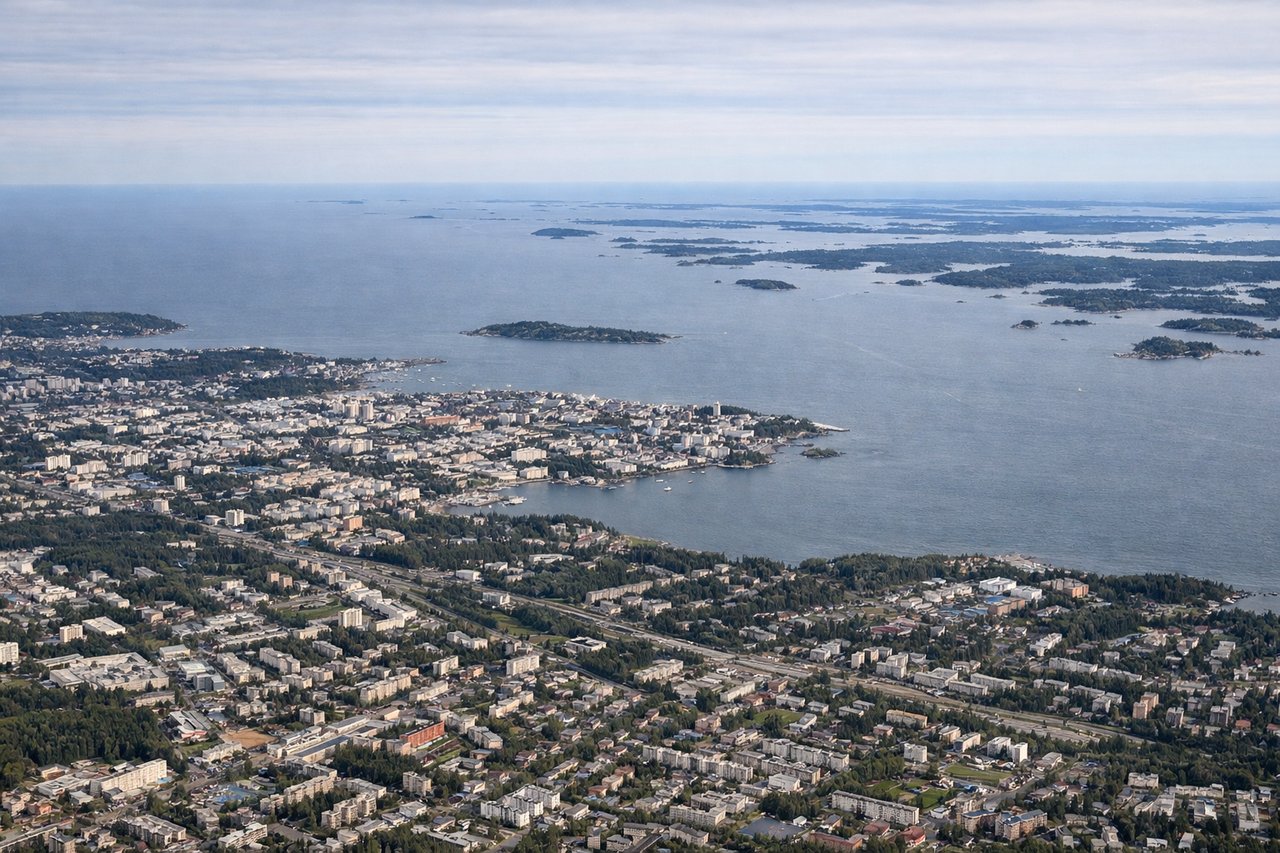
LEFTHelsinki Vantaa typically departs runways 04L/R or 09L/R depending on wind. Left seats offer views of the Baltic Sea coastline and the archipelago north of Helsinki as the aircraft climbs northwestward. Right seats see inland forest and lakes but less dramatic water features.
Landing at XSP
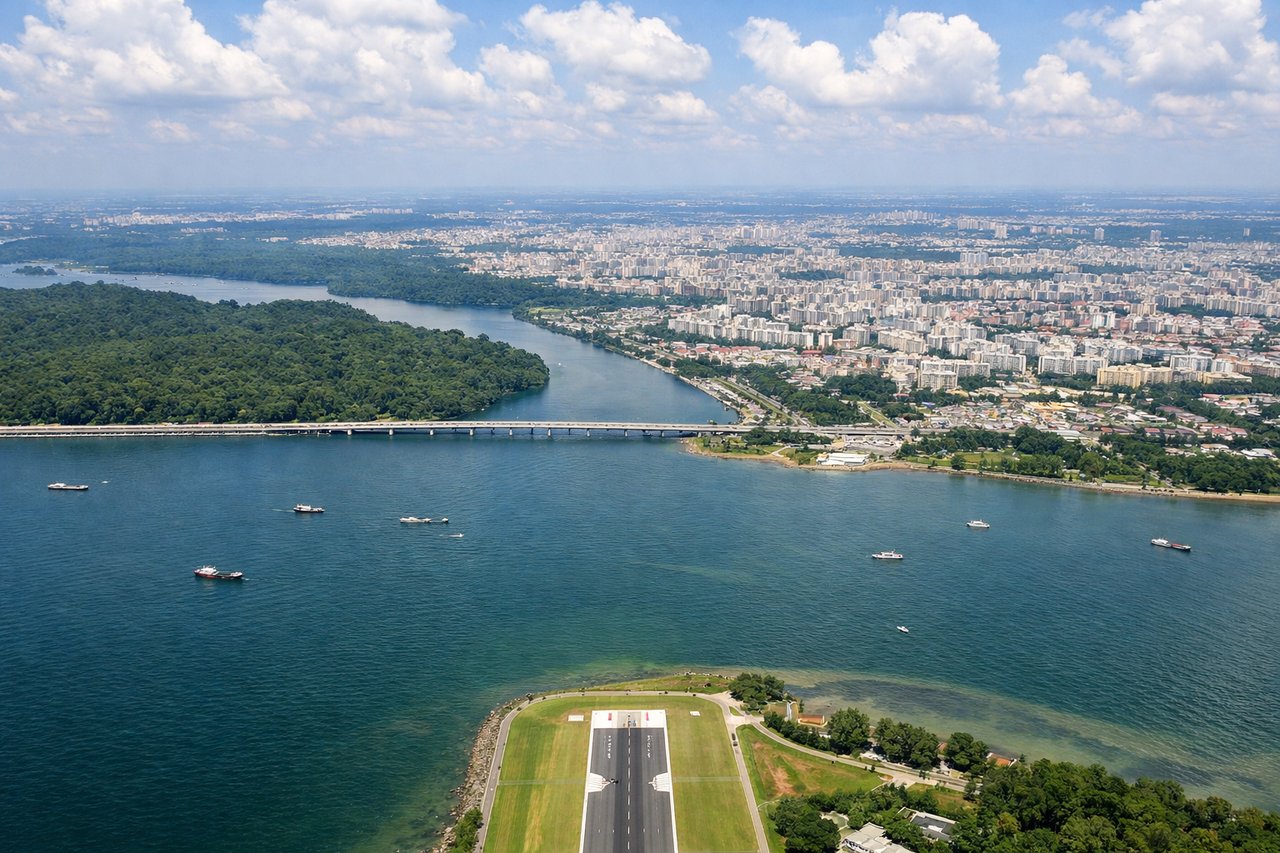
RIGHTSeletar Airport (Singapore's second airport, north of the main island) typically uses runways 03/21. Right seats during descent offer views of the Johor Strait separating Singapore from Malaysia, the Straits of Malacca shipping lanes, and the urban sprawl of northern Singapore. Left seats see primarily inland Singapore urban development.
Landmarks on this routeAll landmarks →
Will your flight be in sunlight?
See exactly which side of the plane gets sun and shade at your departure time.
About This Route
Which side of the plane should I sit on flying from Helsinki Vantaa (HEL) to Seletar (XSP)?
Sit on the Left side of the plane for the best views on flights from Helsinki to Singapore. Left seats capture the most dramatic geography: Nordic archipelago and Baltic coastline on departure, and during the long cruise over Russia, Scandinavia, and Central Asia, left-side windows face the most varied terrain. The descent into Singapore favors right seats, but the departure and majority of the flight duration favor left.
What can I see during takeoff from Helsinki Vantaa in Helsinki?
During takeoff from Helsinki Vantaa (HEL), sit on the Left side for the best views. Helsinki Vantaa typically departs runways 04L/R or 09L/R depending on wind. Left seats offer views of the Baltic Sea coastline and the archipelago north of Helsinki as the aircraft climbs northwestward. Right seats see inland forest and lakes but less dramatic water features. Notable sights include: Baltic Sea, Helsinki archipelago (Suomenlinna islands visible as small landmasses), Lake Tuusula to the northwest, Finnish lake district.
What can I see when landing at Seletar in Singapore?
When landing at Seletar (XSP), sit on the Right side for the best views. Seletar Airport (Singapore's second airport, north of the main island) typically uses runways 03/21. Right seats during descent offer views of the Johor Strait separating Singapore from Malaysia, the Straits of Malacca shipping lanes, and the urban sprawl of northern Singapore. Left seats see primarily inland Singapore urban development. Notable sights include: Johor Strait (Malaysia's Johor state visible across the water), Singapore's northern urban districts and industrial zones, Straits of Malacca shipping traffic, mangrove wetlands and coastal development.
How long is the flight from Helsinki to Singapore?
The flight from Helsinki Vantaa (HEL) to Seletar (XSP) takes Approximately 10.5 to 11.5 hours.
What does the Helsinki to Singapore flight path pass over?
The flight path crosses the Baltic Sea, then traverses Russia (Ural Mountains visible from cruise altitude around 35,000 feet as a distant ridge on the horizon if flying the southern corridor), the Caspian Sea region, Central Asia (Turkmenistan and Uzbekistan deserts), the Hindu Kush and Pamir mountain ranges (visible as a jagged line on the horizon during daylight), northern Pakistan and Afghanistan, then descends through Indian airspace and the Bay of Bengal before reaching Southeast Asia. Left seats offer better views of the Urals and mountain ranges; right seats see the Caspian Sea and Central Asian steppes more directly.