The right side scores higher (3.5 vs 2.5) due to superior landing scenery. While Montreal's takeoff offers urban drama and the St. Lawrence River, the approach into Brussels provides more varied terrain—the Meuse River valley, agricultural patchwork, and the transition from rural Wallonia into the metropolitan area create greater visual interest. The cruise phase over the Atlantic offers minimal scenic value for both sides, but the Brussels landing sequence compensates with genuine geographical variety and landmark density.
Flown YHU to BRU? Did we get it right?
Flight Path
Montreal to Brussels is 3,436 miles (5,530 km), a flight of about 7 hours 15 minutes.
North Atlantic Ocean (5+ hours of open water with minimal visual interest), southern tip of Greenland (distant, far north of typical routing), Irish coast and Celtic Sea (if routed via southern corridor), English Channel, Belgian coastal plains near North Sea
Great circle distance and headings ›Phase by phase
Takeoff from YHU
LEFTDeparting runway 24R/24L (southwest heading) offers views of Montreal's urban core and the St. Lawrence River valley. Right side faces inland toward the Laurentian foothills but lacks the immediate urban drama and water features visible to the left.
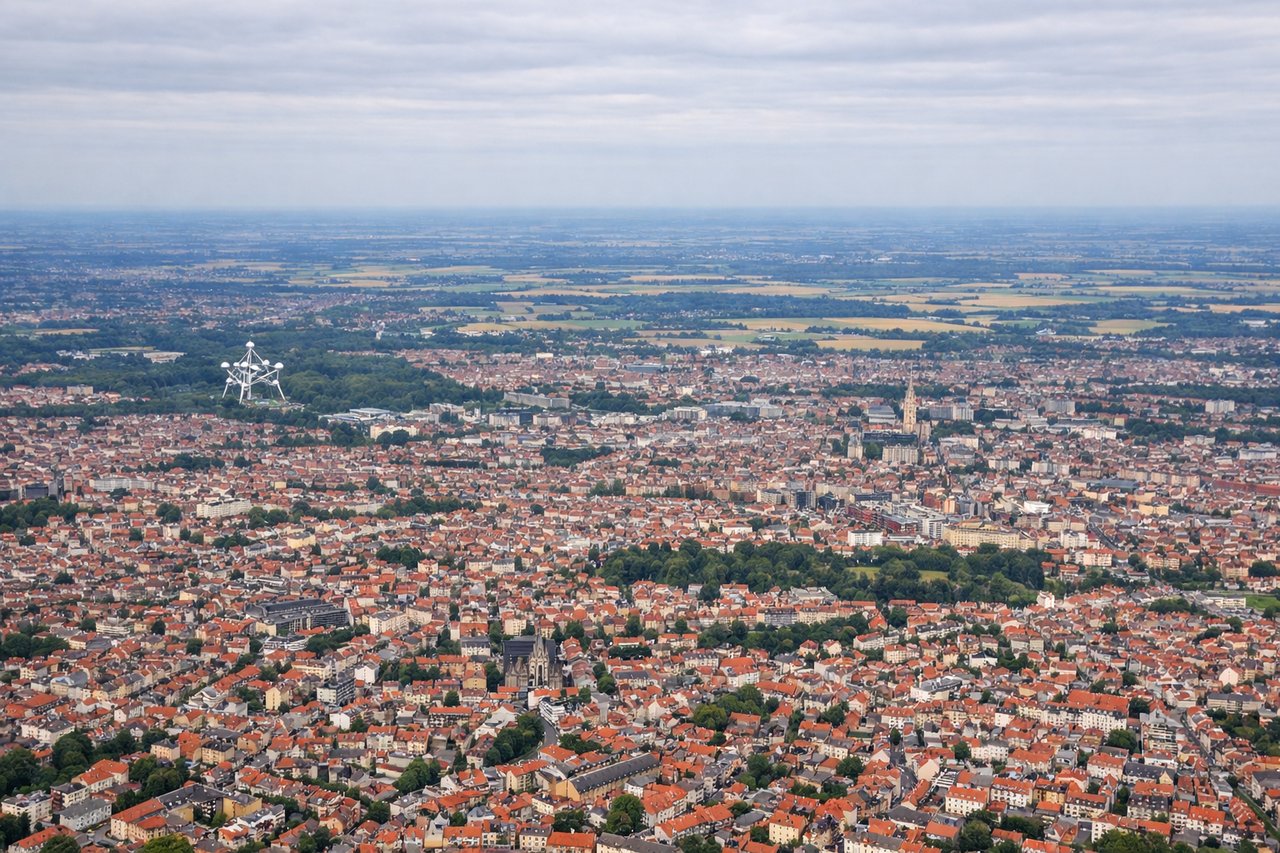
Landing at BRU
RIGHTApproaching Brussels on runway 25L/25R (westbound, heading 250°) from the southeast provides views of the Belgian countryside, the Meuse River valley, and the gradual transition from rural Wallonia into the Brussels metropolitan area. Left side faces north toward the North Sea coastal plains with less dramatic terrain variation.
Will your flight be in sunlight?
Pick a date and time in the Sun Map to watch the sun move across your whole flight.
About This Route
Which side of the plane should I sit on flying from St Hubert (YHU) to Brussels Natl (BRU)?
Sit on the Right side of the plane for the best views on flights from Montreal to Brussels. The right side scores higher (3.5 vs 2.5) due to superior landing scenery. While Montreal's takeoff offers urban drama and the St. Lawrence River, the approach into Brussels provides more varied terrain—the Meuse River valley, agricultural patchwork, and the transition from rural Wallonia into the metropolitan area create greater visual interest. The cruise phase over the Atlantic offers minimal scenic value for both sides, but the Brussels landing sequence compensates with genuine geographical variety and landmark density.
What can I see during takeoff from St Hubert in Montreal?
During takeoff from St Hubert (YHU), sit on the Left side for the best views. Departing runway 24R/24L (southwest heading) offers views of Montreal's urban core and the St. Lawrence River valley. Right side faces inland toward the Laurentian foothills but lacks the immediate urban drama and water features visible to the left. Notable sights include: Montreal downtown skyline and harbor, St. Lawrence River, Île Sainte-Hélène, Laurentian Mountains (distant, northeast).
What can I see when landing at Brussels Natl in Brussels?
When landing at Brussels Natl (BRU), sit on the Right side for the best views. Approaching Brussels on runway 25L/25R (westbound, heading 250°) from the southeast provides views of the Belgian countryside, the Meuse River valley, and the gradual transition from rural Wallonia into the Brussels metropolitan area. Left side faces north toward the North Sea coastal plains with less dramatic terrain variation. Notable sights include: Meuse River valley, Brussels city center and Atomium, Belgian agricultural plains, Ardennes plateau (distant, southeast).
How long is the flight from Montreal to Brussels?
The flight from St Hubert (YHU) to Brussels Natl (BRU) takes about 7 hours 15 minutes. The shortest flight path between them is 3,436 miles (5,530 km); winds and air traffic control usually add a few percent.
What does the Montreal to Brussels flight path pass over?
North Atlantic Ocean (5+ hours of open water with minimal visual interest), southern tip of Greenland (distant, far north of typical routing), Irish coast and Celtic Sea (if routed via southern corridor), English Channel, Belgian coastal plains near North Sea