Halifax to Paris is 3,029 miles (4,875 km), a flight of about 5 hours 50 minutes.
Both sides spend most of the flight over featureless open ocean, so the deciding factor is the brief scenic bonus at each end. The left side's descent view of the Paris skyline, including the Eiffel Tower and Seine, is a more iconic and memorable payoff than the Halifax harbour glimpse on departure.
Flight Path
Open North Atlantic Ocean with no land visible; the great-circle route passes south of Newfoundland's Grand Banks and north of the Azores before approaching the French coast near Normandy.
Great circle distance and headings ›Phase by phase
Takeoff from YHZ
RIGHTDeparting YHZ on runway 05 the aircraft climbs out on a northeast heading, putting Halifax Harbour, the Dartmouth waterfront and the Atlantic coastline on the right side of the cabin before the plane heads out over open water.
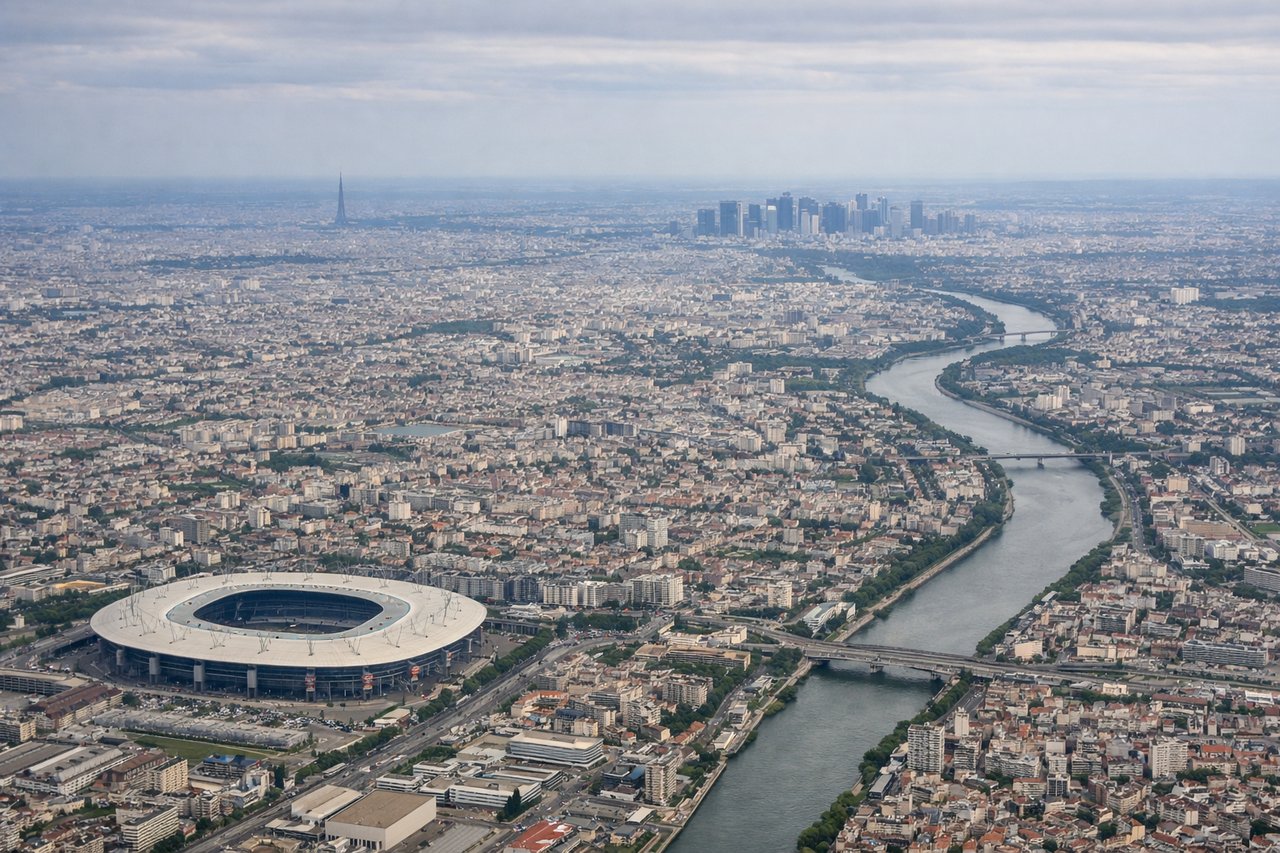
Landing at CDG
LEFTWith westerly winds, CDG arrivals land toward the west, and the turn onto final approach swings the aircraft south of central Paris, putting the Eiffel Tower, the Seine, and the La Defense skyline on the left side of the cabin during descent.
Landmarks on this routeAll landmarks →
Will your flight be in sunlight?
Pick a date and time in the Sun Map to watch the sun move across your whole flight.
About This Route
Which side of the plane should I sit on flying from Halifax International (YHZ) to Charles De Gaulle (CDG)?
Sit on the Left side of the plane for the best views on flights from Halifax to Paris. Both sides spend most of the flight over featureless open ocean, so the deciding factor is the brief scenic bonus at each end. The left side's descent view of the Paris skyline, including the Eiffel Tower and Seine, is a more iconic and memorable payoff than the Halifax harbour glimpse on departure.
What can I see during takeoff from Halifax International in Halifax?
During takeoff from Halifax International (YHZ), sit on the Right side for the best views. Departing YHZ on runway 05 the aircraft climbs out on a northeast heading, putting Halifax Harbour, the Dartmouth waterfront and the Atlantic coastline on the right side of the cabin before the plane heads out over open water. Notable sights include: Halifax Harbour, Dartmouth waterfront, MacNabs Island, Atlantic coastline near Eastern Passage.
What can I see when landing at Charles De Gaulle in Paris?
When landing at Charles De Gaulle (CDG), sit on the Left side for the best views. With westerly winds, CDG arrivals land toward the west, and the turn onto final approach swings the aircraft south of central Paris, putting the Eiffel Tower, the Seine, and the La Defense skyline on the left side of the cabin during descent. Notable sights include: Eiffel Tower, Seine River, La Defense skyscraper district, Sacre-Coeur Basilica on Montmartre.
How long is the flight from Halifax to Paris?
The flight from Halifax International (YHZ) to Charles De Gaulle (CDG) takes about 5 hours 50 minutes. The shortest flight path between them is 3,029 miles (4,875 km); winds and air traffic control usually add a few percent.
What does the Halifax to Paris flight path pass over?
Open North Atlantic Ocean with no land visible; the great-circle route passes south of Newfoundland's Grand Banks and north of the Azores before approaching the French coast near Normandy.