Left side wins both ends of the flight. On departure you face Halifax Harbour and the Nova Scotia coastline, and on arrival you get the extended view down the Thames through central London. The right side offers open Atlantic for most of the cruise and a less interesting suburban approach angle into Heathrow.
Flight Path
The flight tracks northeast from Nova Scotia, crossing the Labrador Sea and the southern tip of Greenland's ice sheet (visible as a vast white plateau on clear days), then over Iceland or just south of it, before crossing the North Atlantic and descending over Ireland and Wales into London. The southern coast of Ireland and the Bristol Channel are often visible during descent. At cruise altitude the Greenland ice cap edge and sea ice in the Labrador Sea are the most dramatic geographic features.
Great circle distance and headings ›Phase by phase
Takeoff from YHZ
LEFTHalifax Stanfield typically departs northeast on runway 14/32, and a 32 departure (heading northwest) puts the left side facing Halifax Harbour, the downtown peninsula, and the Bedford Basin. You get a clear look at the urban core and the distinctive drumlin topography of the Nova Scotia coastline as the aircraft climbs and turns eastward toward the Atlantic.
Landing at LHR
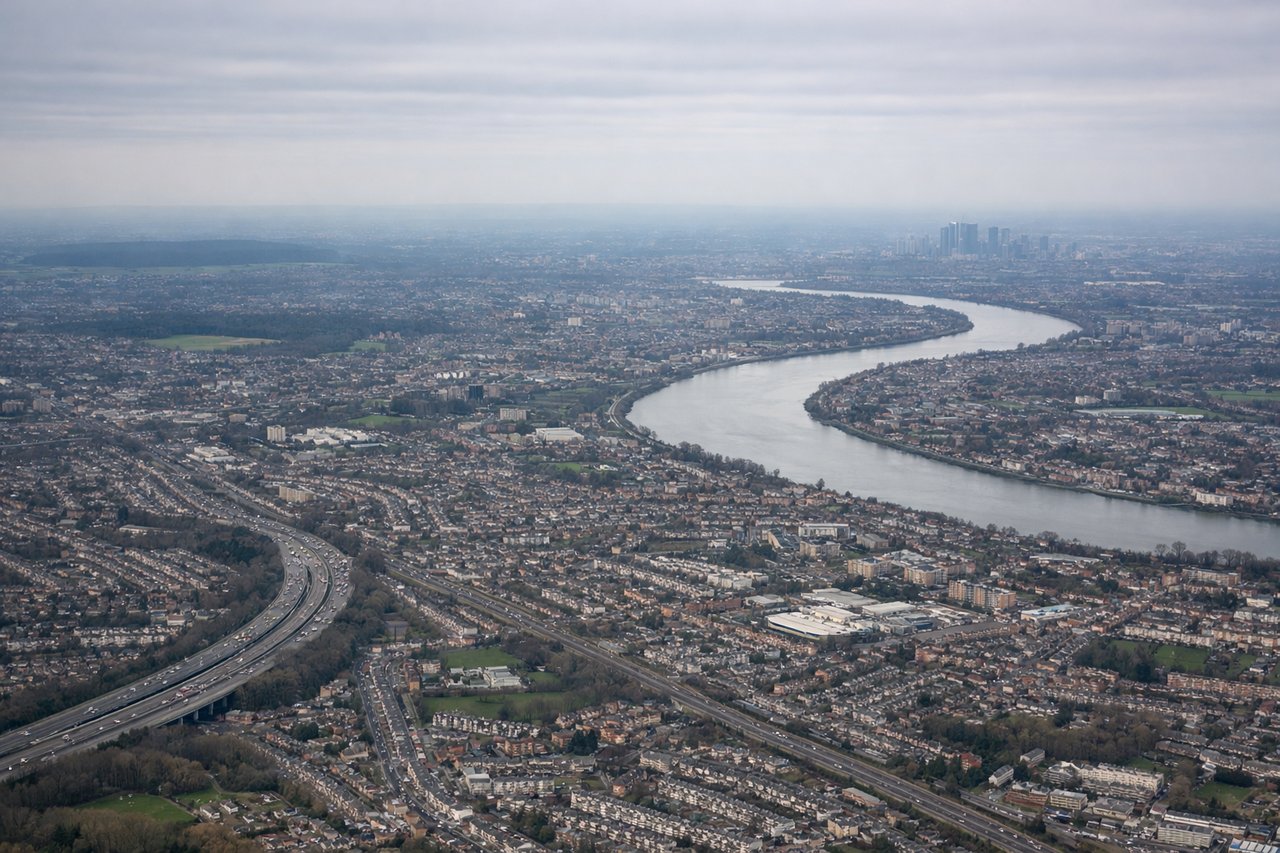
LEFTHeathrow's primary westerly arrivals use runways 27L/27R, meaning the aircraft approaches from the east over central London before touching down. The left side faces south, giving a prolonged view of the Thames snaking through the city, with the South Bank, Canary Wharf, and the City of London visible as the aircraft descends through 3,000–6,000 feet on final approach.
Landmarks on this routeAll landmarks →
Will your flight be in sunlight?
See exactly which side of the plane gets sun and shade at your departure time.
About This Route
Which side of the plane should I sit on flying from Halifax International (YHZ) to Heathrow (LHR)?
Sit on the Left side of the plane for the best views on flights from Halifax to London. Left side wins both ends of the flight. On departure you face Halifax Harbour and the Nova Scotia coastline, and on arrival you get the extended view down the Thames through central London. The right side offers open Atlantic for most of the cruise and a less interesting suburban approach angle into Heathrow.
What can I see during takeoff from Halifax International in Halifax?
During takeoff from Halifax International (YHZ), sit on the Left side for the best views. Halifax Stanfield typically departs northeast on runway 14/32, and a 32 departure (heading northwest) puts the left side facing Halifax Harbour, the downtown peninsula, and the Bedford Basin. You get a clear look at the urban core and the distinctive drumlin topography of the Nova Scotia coastline as the aircraft climbs and turns eastward toward the Atlantic. Notable sights include: Halifax Harbour and the Narrows, Bedford Basin, Halifax downtown peninsula, McNabs Island.
What can I see when landing at Heathrow in London?
When landing at Heathrow (LHR), sit on the Left side for the best views. Heathrow's primary westerly arrivals use runways 27L/27R, meaning the aircraft approaches from the east over central London before touching down. The left side faces south, giving a prolonged view of the Thames snaking through the city, with the South Bank, Canary Wharf, and the City of London visible as the aircraft descends through 3,000–6,000 feet on final approach. Notable sights include: River Thames through central London, Canary Wharf tower cluster, The City of London, Windsor Castle and the Thames Valley on short final.
How long is the flight from Halifax to London?
The flight from Halifax International (YHZ) to Heathrow (LHR) takes Approximately 7 hours 30 minutes to 8 hours.
What does the Halifax to London flight path pass over?
The flight tracks northeast from Nova Scotia, crossing the Labrador Sea and the southern tip of Greenland's ice sheet (visible as a vast white plateau on clear days), then over Iceland or just south of it, before crossing the North Atlantic and descending over Ireland and Wales into London. The southern coast of Ireland and the Bristol Channel are often visible during descent. At cruise altitude the Greenland ice cap edge and sea ice in the Labrador Sea are the most dramatic geographic features.