The outbound departure over Halifax Harbour and the Atlantic offers more dramatic and distinctive scenery than the landing approach. While the landing provides pleasant English countryside views, the takeoff's coastal and maritime features are more visually striking and geographically unique.
Flight Path
The flight path crosses the North Atlantic at cruising altitude (typically 31,000-35,000 feet). At this altitude, individual landmarks become invisible, but the route passes over the Grand Banks southeast of Newfoundland, then over open ocean. The Mid-Atlantic Ridge lies beneath the flight path but is not visible from the surface. As the aircraft approaches European airspace, it may pass over the southern tip of Ireland or the Celtic Sea, depending on specific routing. The Cornish coast and English Channel become visible during the final descent phase into UK airspace.
Great circle distance and headings ›Phase by phase
Takeoff from YHZ
RIGHTRight-side seats offer views of Halifax Harbour and the Atlantic coastline as the aircraft climbs eastward over the water. You'll see the city's waterfront and the transition from urban development to open ocean.
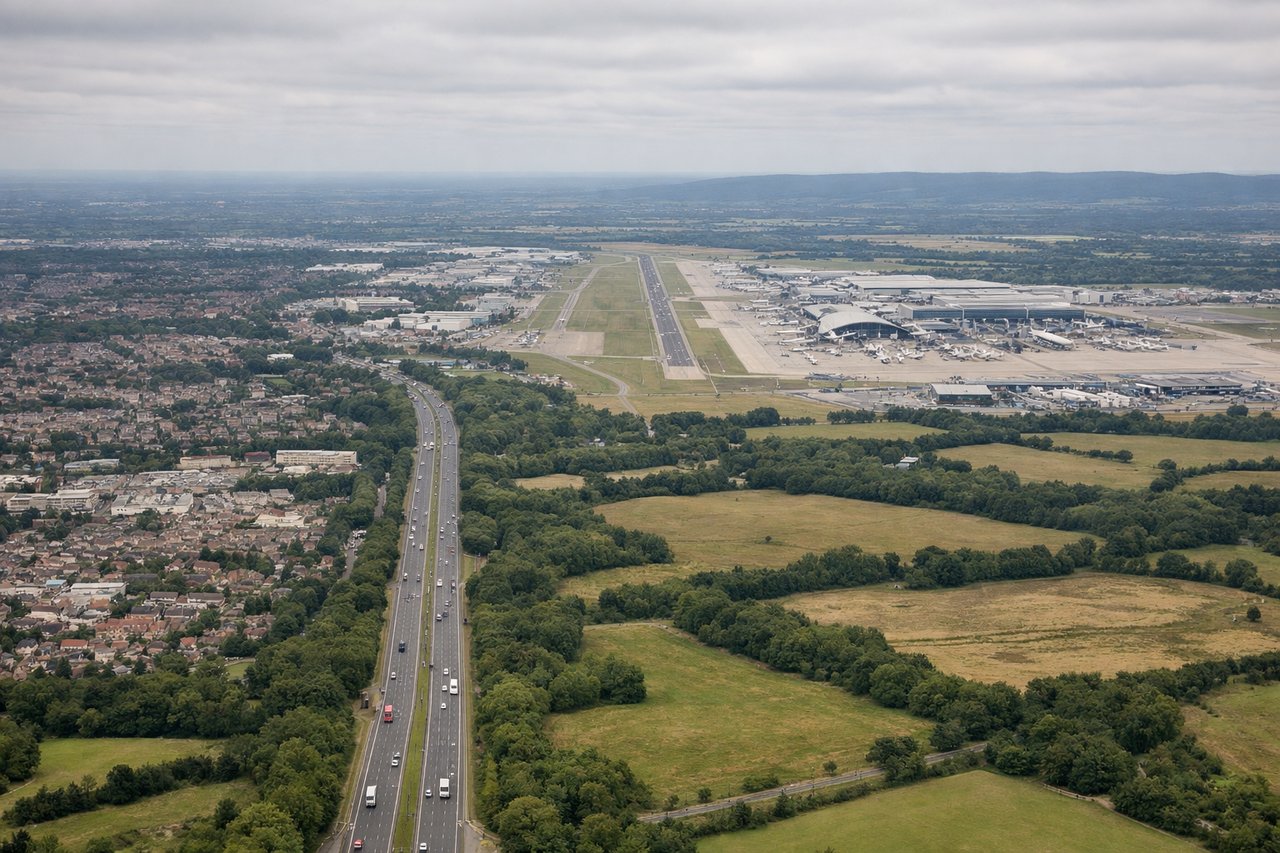
Landing at LGW
LEFTLeft-side seats provide excellent views during the descent approach to Gatwick. You'll see the Surrey Hills, the Thames Valley, and London's suburban sprawl before final approach over West Sussex farmland.
Landmarks on this routeAll landmarks →
Will your flight be in sunlight?
See exactly which side of the plane gets sun and shade at your departure time.
About This Route
Which side of the plane should I sit on flying from Halifax International (YHZ) to Gatwick (LGW)?
Sit on the Right side of the plane for the best views on flights from Halifax to London. The outbound departure over Halifax Harbour and the Atlantic offers more dramatic and distinctive scenery than the landing approach. While the landing provides pleasant English countryside views, the takeoff's coastal and maritime features are more visually striking and geographically unique.
What can I see during takeoff from Halifax International in Halifax?
During takeoff from Halifax International (YHZ), sit on the Right side for the best views. Right-side seats offer views of Halifax Harbour and the Atlantic coastline as the aircraft climbs eastward over the water. You'll see the city's waterfront and the transition from urban development to open ocean. Notable sights include: Halifax Harbour, Downtown Halifax waterfront, McNabs Island, Atlantic Ocean.
What can I see when landing at Gatwick in London?
When landing at Gatwick (LGW), sit on the Left side for the best views. Left-side seats provide excellent views during the descent approach to Gatwick. You'll see the Surrey Hills, the Thames Valley, and London's suburban sprawl before final approach over West Sussex farmland. Notable sights include: Surrey Hills, River Thames valley, London suburbs, South Downs.
How long is the flight from Halifax to London?
The flight from Halifax International (YHZ) to Gatwick (LGW) takes Approximately 6 hours 45 minutes to 7 hours 15 minutes.
What does the Halifax to London flight path pass over?
The flight path crosses the North Atlantic at cruising altitude (typically 31,000-35,000 feet). At this altitude, individual landmarks become invisible, but the route passes over the Grand Banks southeast of Newfoundland, then over open ocean. The Mid-Atlantic Ridge lies beneath the flight path but is not visible from the surface. As the aircraft approaches European airspace, it may pass over the southern tip of Ireland or the Celtic Sea, depending on specific routing. The Cornish coast and English Channel become visible during the final descent phase into UK airspace.