While Halifax's takeoff offers good coastal scenery, the transatlantic crossing is dominated by 5+ hours of open ocean on both sides, severely limiting the left side's score. The right side benefits from a superior landing approach through the Alps and Lake Zurich, which are genuinely dramatic and recognizable landmarks. The right side's Alpine scenery during descent outweighs the left side's Halifax departure advantage.
Flown YHZ to ZRH? Did we get it right?
Flight Path
Halifax to Zurich is 3,325 miles (5,351 km), a flight of about 7 hours 15 minutes.
Greenland's east coast (ice sheet and fjords visible around 4-5 hours into flight), Iceland's southern coast (if routed via Reykjavik airspace), Norwegian Sea, North Sea, and the transition into European airspace over the UK or North Sea before crossing into continental Europe. The flight typically crosses the Atlantic at high latitude, offering views of open ocean for the majority of cruise, with brief glimpses of Greenland's glaciated terrain and Iceland's volcanic landscape if the routing permits.
Great circle distance and headings ›


Phase by phase
Takeoff from YHZ
LEFTHalifax Harbour and the Atlantic coastline are immediately visible on the left side during climb-out, offering urban waterfront scenery and rocky Nova Scotia shoreline. The right side faces inland toward flat terrain with minimal visual interest.
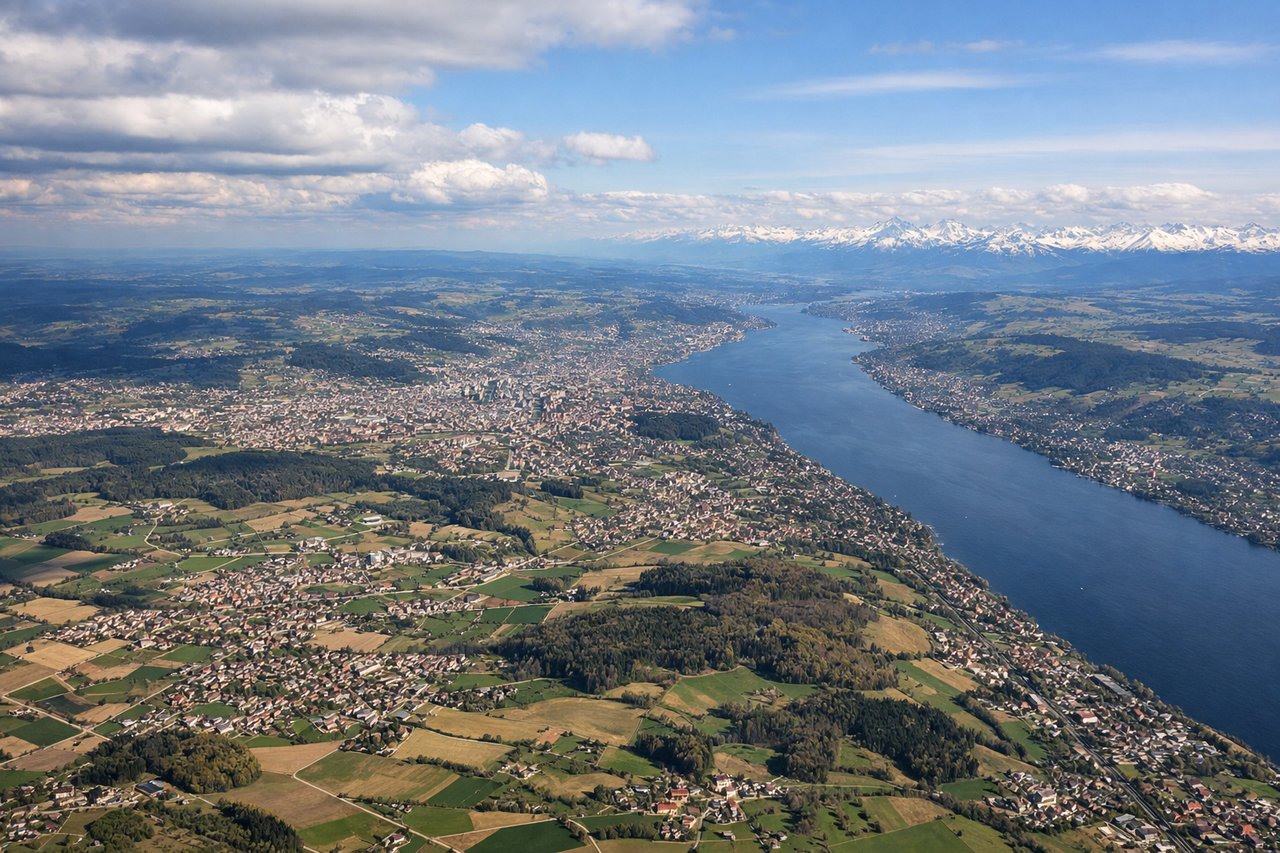
Landing at ZRH
RIGHTThe approach to Zurich from the west crosses the Swiss Plateau and then the northern Alps, with Lake Zurich visible during descent. The right side captures the Alpine foothills and the lake's eastern basin. The left side faces toward the Jura Mountains and French border, offering less dramatic scenery during final approach.
Will your flight be in sunlight?
Pick a date and time in the Sun Map to watch the sun move across your whole flight.
About This Route
Which side of the plane should I sit on flying from Halifax International (YHZ) to Zurich (ZRH)?
Sit on the Right side of the plane for the best views on flights from Halifax to Zurich. While Halifax's takeoff offers good coastal scenery, the transatlantic crossing is dominated by 5+ hours of open ocean on both sides, severely limiting the left side's score. The right side benefits from a superior landing approach through the Alps and Lake Zurich, which are genuinely dramatic and recognizable landmarks. The right side's Alpine scenery during descent outweighs the left side's Halifax departure advantage.
What can I see during takeoff from Halifax International in Halifax?
During takeoff from Halifax International (YHZ), sit on the Left side for the best views. Halifax Harbour and the Atlantic coastline are immediately visible on the left side during climb-out, offering urban waterfront scenery and rocky Nova Scotia shoreline. The right side faces inland toward flat terrain with minimal visual interest. Notable sights include: Halifax Harbour with downtown waterfront, McNabs Island, Atlantic coastline with rocky headlands.
What can I see when landing at Zurich in Zurich?
When landing at Zurich (ZRH), sit on the Right side for the best views. The approach to Zurich from the west crosses the Swiss Plateau and then the northern Alps, with Lake Zurich visible during descent. The right side captures the Alpine foothills and the lake's eastern basin. The left side faces toward the Jura Mountains and French border, offering less dramatic scenery during final approach. Notable sights include: Lake Zurich (Zürichsee), northern Alps with Säntis and Appenzell Alps, Swiss Plateau farmland.
How long is the flight from Halifax to Zurich?
The flight from Halifax International (YHZ) to Zurich (ZRH) takes about 7 hours 15 minutes. The shortest flight path between them is 3,325 miles (5,351 km); winds and air traffic control usually add a few percent.
What does the Halifax to Zurich flight path pass over?
Greenland's east coast (ice sheet and fjords visible around 4-5 hours into flight), Iceland's southern coast (if routed via Reykjavik airspace), Norwegian Sea, North Sea, and the transition into European airspace over the UK or North Sea before crossing into continental Europe. The flight typically crosses the Atlantic at high latitude, offering views of open ocean for the majority of cruise, with brief glimpses of Greenland's glaciated terrain and Iceland's volcanic landscape if the routing permits.