Buffalo Narrows to Fort Lauderdale is 2,495 miles (4,015 km), a flight of about 4 hours 15 minutes.
Right-side seats win for both segments of this flight. Departure offers views of the Athabasca River and boreal landscape, while landing provides superior views of the Atlantic coastline, barrier islands, and Fort Lauderdale's waterfront development.
Flight Path
The flight path crosses the Canadian Shield and Great Lakes region. Notable features include: the northern boreal forest and countless lakes of central Canada; the transition zone where boreal forest gives way to mixed forest around the Great Lakes; Lake Michigan and Lake Huron visible from altitude; the Ohio River valley; and the Appalachian foothills in the eastern United States before descending toward the Florida coast.
Great circle distance and headings ›
.jpeg?width=600)

Phase by phase
Takeoff from YVT
RIGHTRight-side seats offer views of the Athabasca River valley and northern boreal forest immediately after departure. The aircraft climbs southeastward, and right windows capture the river's meandering path through the landscape before heading toward the continental interior.
Landing at FLL
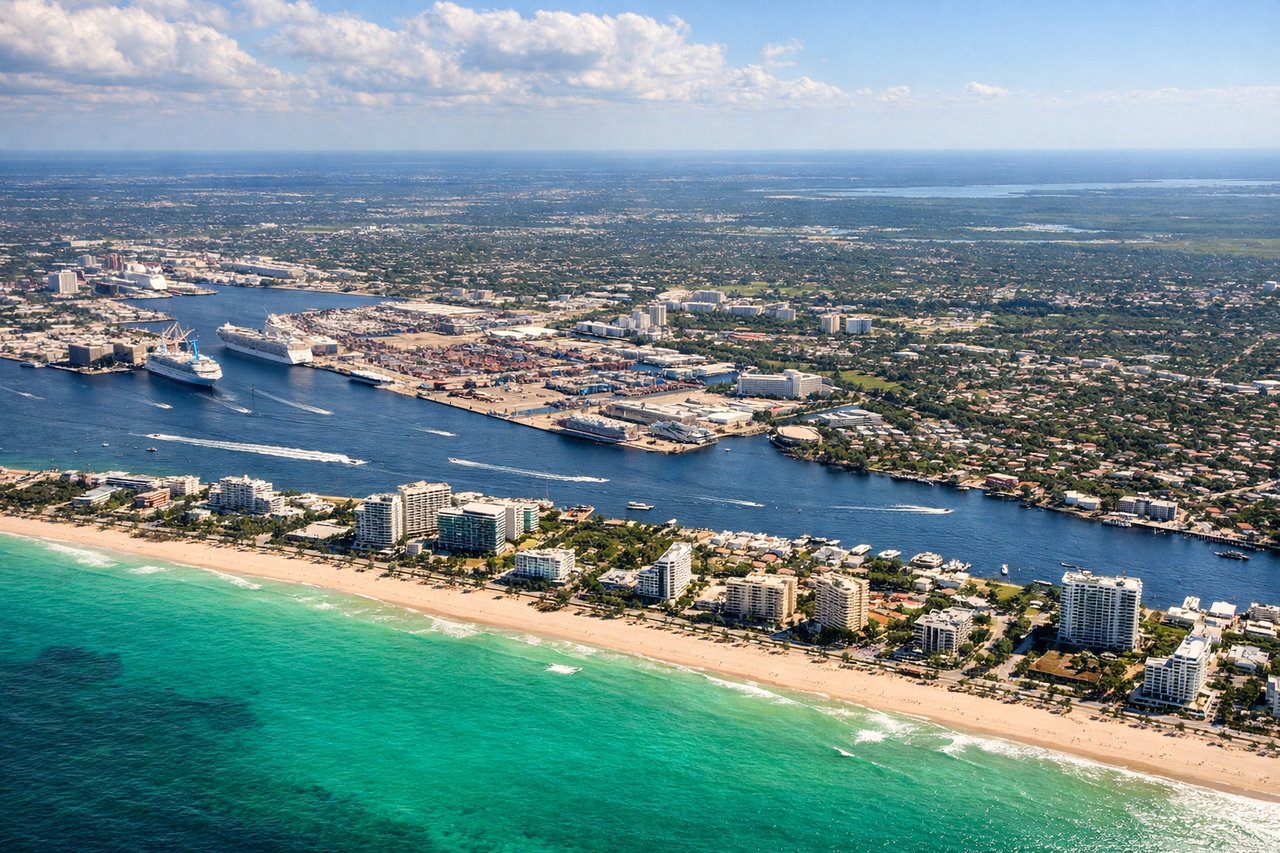
RIGHTRight-side seats provide excellent views during the final approach into Fort Lauderdale. The aircraft descends over the Atlantic Ocean and the Florida coast, with right windows framing the Intracoastal Waterway, barrier islands, and the urban sprawl of the Miami-Fort Lauderdale metropolitan area.
Landmarks on this routeAll landmarks →
Will your flight be in sunlight?
Pick a date and time in the Sun Map to watch the sun move across your whole flight.
About This Route
Which side of the plane should I sit on flying from Buffalo Narrows (YVT) to Fort Lauderdale Hollywood International (FLL)?
Sit on the Right side of the plane for the best views on flights from Buffalo Narrows to Fort Lauderdale. Right-side seats win for both segments of this flight. Departure offers views of the Athabasca River and boreal landscape, while landing provides superior views of the Atlantic coastline, barrier islands, and Fort Lauderdale's waterfront development.
What can I see during takeoff from Buffalo Narrows in Buffalo Narrows?
During takeoff from Buffalo Narrows (YVT), sit on the Right side for the best views. Right-side seats offer views of the Athabasca River valley and northern boreal forest immediately after departure. The aircraft climbs southeastward, and right windows capture the river's meandering path through the landscape before heading toward the continental interior. Notable sights include: Athabasca River, boreal forest canopy, scattered lakes and muskeg terrain, Churchill River system to the east.
What can I see when landing at Fort Lauderdale Hollywood International in Fort Lauderdale?
When landing at Fort Lauderdale Hollywood International (FLL), sit on the Right side for the best views. Right-side seats provide excellent views during the final approach into Fort Lauderdale. The aircraft descends over the Atlantic Ocean and the Florida coast, with right windows framing the Intracoastal Waterway, barrier islands, and the urban sprawl of the Miami-Fort Lauderdale metropolitan area. Notable sights include: Atlantic Ocean, Intracoastal Waterway, barrier islands (including Miami Beach and Fort Lauderdale Beach), Port Everglades and downtown Fort Lauderdale skyline.
How long is the flight from Buffalo Narrows to Fort Lauderdale?
The flight from Buffalo Narrows (YVT) to Fort Lauderdale Hollywood International (FLL) takes about 4 hours 15 minutes. The shortest flight path between them is 2,495 miles (4,015 km); winds and air traffic control usually add a few percent.
What does the Buffalo Narrows to Fort Lauderdale flight path pass over?
The flight path crosses the Canadian Shield and Great Lakes region. Notable features include: the northern boreal forest and countless lakes of central Canada; the transition zone where boreal forest gives way to mixed forest around the Great Lakes; Lake Michigan and Lake Huron visible from altitude; the Ohio River valley; and the Appalachian foothills in the eastern United States before descending toward the Florida coast.