Abbotsford to Copenhagen is 4,756 miles (7,653 km), a flight of about 10 hours.
While the takeoff offers excellent mountain scenery on the right, the landing approach on the left provides more sustained visual interest over a longer period—the Øresund Strait crossing and Copenhagen approach are more dramatic than the departure. Left-side seats capture the most geographically significant feature of the entire route.
Flight Path
The flight path crosses the North Atlantic, passing over or near Greenland's southern tip (depending on routing), the Norwegian Sea, and the North Sea. Over the Atlantic, passengers may see the Labrador Current's influence on ice patterns (seasonal). Approaching Europe, the flight passes over the Norwegian coast and North Sea oil platforms. The route typically follows a great-circle path that takes the aircraft over remote ocean for the majority of the journey, with limited landmark visibility during the 7-8 hour mid-flight period. The most notable geographic transition occurs when approaching the European continent, where the North Sea becomes visible and the Scandinavian peninsula appears on the horizon before the final descent into Denmark.
Great circle distance and headings ›
.jpg?width=600)


Phase by phase
Takeoff from YXX
RIGHTRight-side seats capture the North Cascades and Fraser Valley during the initial climb-out. The aircraft departs eastbound from YXX, so right-side passengers get direct views of the dramatic volcanic peaks and the valley floor before banking north over the Strait of Georgia.
Landing at CPH
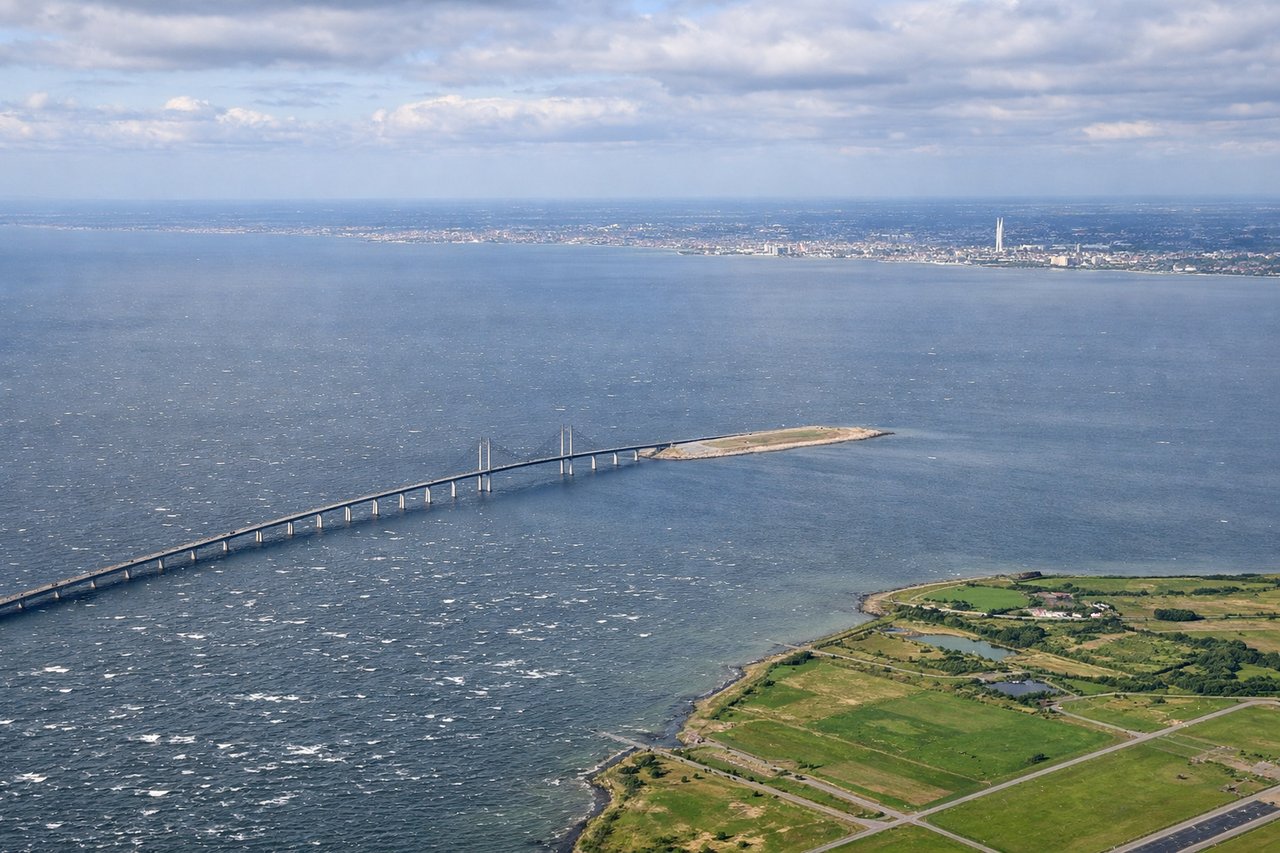
LEFTLeft-side seats offer the best views during the descent into Copenhagen. The aircraft approaches from the west over the Øresund Strait, and left-side passengers see the strait crossing, the Swedish coast, and the final approach over the flat Danish landscape and Copenhagen's urban sprawl.
Landmarks on this routeAll landmarks →
Will your flight be in sunlight?
Pick a date and time in the Sun Map to watch the sun move across your whole flight.
About This Route
Which side of the plane should I sit on flying from Abbotsford (YXX) to Kastrup (CPH)?
Sit on the Left side of the plane for the best views on flights from Abbotsford to Copenhagen. While the takeoff offers excellent mountain scenery on the right, the landing approach on the left provides more sustained visual interest over a longer period—the Øresund Strait crossing and Copenhagen approach are more dramatic than the departure. Left-side seats capture the most geographically significant feature of the entire route.
What can I see during takeoff from Abbotsford in Abbotsford?
During takeoff from Abbotsford (YXX), sit on the Right side for the best views. Right-side seats capture the North Cascades and Fraser Valley during the initial climb-out. The aircraft departs eastbound from YXX, so right-side passengers get direct views of the dramatic volcanic peaks and the valley floor before banking north over the Strait of Georgia. Notable sights include: North Cascades (Mount Baker, Mount Shuksan), Fraser Valley agricultural plains, Strait of Georgia, Vancouver Island distant shoreline.
What can I see when landing at Kastrup in Copenhagen?
When landing at Kastrup (CPH), sit on the Left side for the best views. Left-side seats offer the best views during the descent into Copenhagen. The aircraft approaches from the west over the Øresund Strait, and left-side passengers see the strait crossing, the Swedish coast, and the final approach over the flat Danish landscape and Copenhagen's urban sprawl. Notable sights include: Øresund Strait and Øresund Bridge, Swedish coast (Scania region), Copenhagen metropolitan area and harbor, Amager Island and Kastrup area.
How long is the flight from Abbotsford to Copenhagen?
The flight from Abbotsford (YXX) to Kastrup (CPH) takes about 10 hours. The shortest flight path between them is 4,756 miles (7,653 km); winds and air traffic control usually add a few percent.
What does the Abbotsford to Copenhagen flight path pass over?
The flight path crosses the North Atlantic, passing over or near Greenland's southern tip (depending on routing), the Norwegian Sea, and the North Sea. Over the Atlantic, passengers may see the Labrador Current's influence on ice patterns (seasonal). Approaching Europe, the flight passes over the Norwegian coast and North Sea oil platforms. The route typically follows a great-circle path that takes the aircraft over remote ocean for the majority of the journey, with limited landmark visibility during the 7-8 hour mid-flight period. The most notable geographic transition occurs when approaching the European continent, where the North Sea becomes visible and the Scandinavian peninsula appears on the horizon before the final descent into Denmark.