Abbotsford to London is 4,698 miles (7,560 km), a flight of about 10 hours.
Right-side seats deliver the most dramatic scenery during takeoff with the North Cascades and Mount Baker, while the landing approach favors the left. However, the takeoff views are more visually striking and memorable, making right the overall preference for this transatlantic route.
Flight Path
The flight path crosses the Canadian Prairies (Alberta/Saskatchewan), then the Atlantic Ocean. Notable features include the Rocky Mountains visible from the climb-out phase (if routed south of direct path), the Great Lakes region (if routed via southern Canada), Greenland's ice sheet and glaciers during mid-Atlantic crossing, Iceland's volcanic terrain and glaciers (if visible on northern routing), and the Scottish Highlands before descending into England. The Atlantic crossing itself offers open ocean views for 5-6 hours with occasional icebergs visible in spring/early summer near Greenland.
Great circle distance and headings ›
.jpg?width=600)


.jpeg?width=600)
Phase by phase
Takeoff from YXX
RIGHTRight-side seats offer immediate views of the North Cascades and Mount Baker as the aircraft climbs eastward from Abbotsford. The left side faces the populated Fraser Valley lowlands with less dramatic terrain.
Landing at LHR
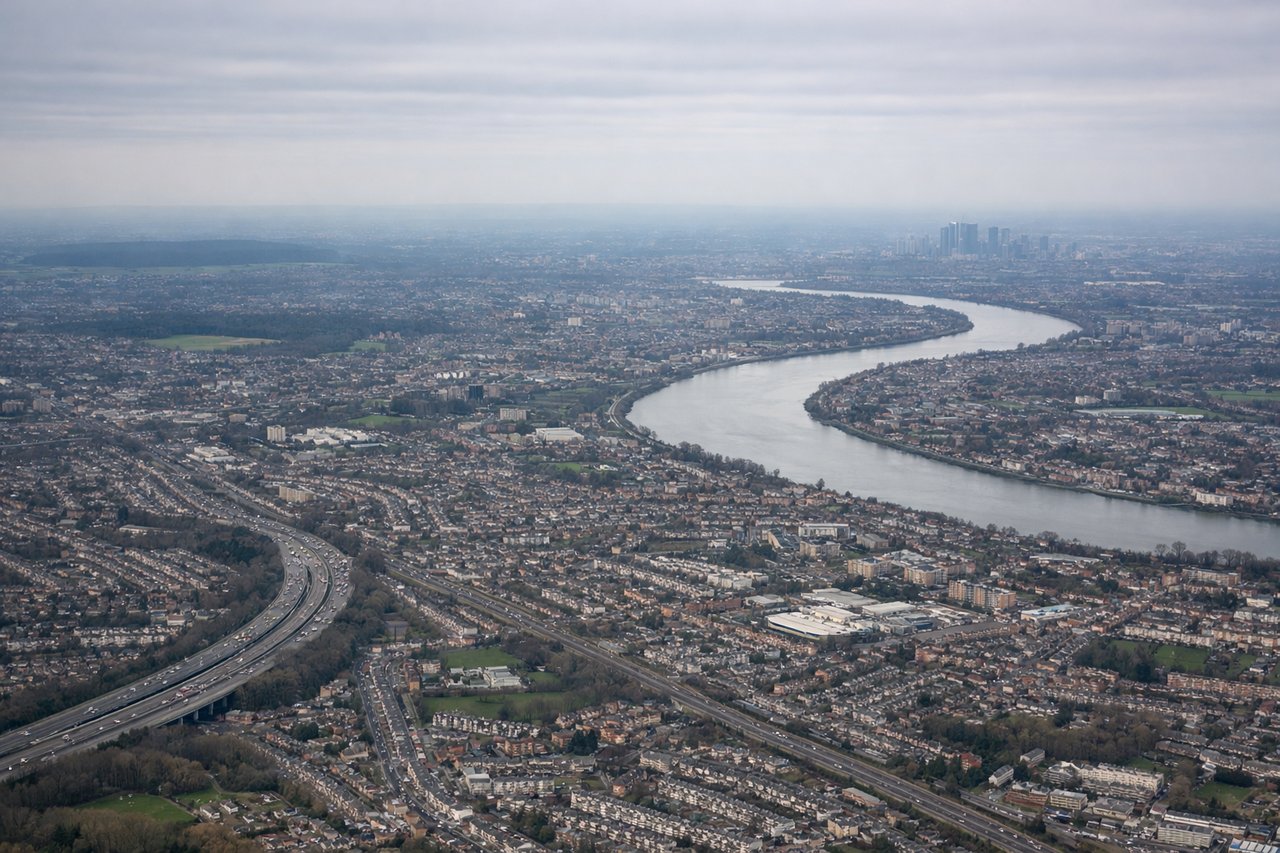
LEFTLeft-side seats provide excellent views during the descent approach to Heathrow, including the Thames River, London's urban sprawl, and the Chiltern Hills to the northwest. The right side faces less distinctive terrain as the aircraft descends on standard westerly approach vectors.
Landmarks on this routeAll landmarks →
Will your flight be in sunlight?
Pick a date and time in the Sun Map to watch the sun move across your whole flight.
About This Route
Which side of the plane should I sit on flying from Abbotsford (YXX) to Heathrow (LHR)?
Sit on the Right side of the plane for the best views on flights from Abbotsford to London. Right-side seats deliver the most dramatic scenery during takeoff with the North Cascades and Mount Baker, while the landing approach favors the left. However, the takeoff views are more visually striking and memorable, making right the overall preference for this transatlantic route.
What can I see during takeoff from Abbotsford in Abbotsford?
During takeoff from Abbotsford (YXX), sit on the Right side for the best views. Right-side seats offer immediate views of the North Cascades and Mount Baker as the aircraft climbs eastward from Abbotsford. The left side faces the populated Fraser Valley lowlands with less dramatic terrain. Notable sights include: Mount Baker (10,781 ft, visible ~40 miles southeast), North Cascades range, Sumas Mountain, Fraser River valley.
What can I see when landing at Heathrow in London?
When landing at Heathrow (LHR), sit on the Left side for the best views. Left-side seats provide excellent views during the descent approach to Heathrow, including the Thames River, London's urban sprawl, and the Chiltern Hills to the northwest. The right side faces less distinctive terrain as the aircraft descends on standard westerly approach vectors. Notable sights include: Thames River (clearly visible as it winds through London), London's urban grid and city center, Chiltern Hills, Windsor Castle area.
How long is the flight from Abbotsford to London?
The flight from Abbotsford (YXX) to Heathrow (LHR) takes about 10 hours. The shortest flight path between them is 4,698 miles (7,560 km); winds and air traffic control usually add a few percent.
What does the Abbotsford to London flight path pass over?
The flight path crosses the Canadian Prairies (Alberta/Saskatchewan), then the Atlantic Ocean. Notable features include the Rocky Mountains visible from the climb-out phase (if routed south of direct path), the Great Lakes region (if routed via southern Canada), Greenland's ice sheet and glaciers during mid-Atlantic crossing, Iceland's volcanic terrain and glaciers (if visible on northern routing), and the Scottish Highlands before descending into England. The Atlantic crossing itself offers open ocean views for 5-6 hours with occasional icebergs visible in spring/early summer near Greenland.