The right side tracks the dramatic core of the route: the Rocky Mountain front range and Columbia Mountains during cruise, followed by the Coast Mountains and Vancouver skyline on descent, making it far more visually rewarding than the left side's flatter foothill and valley views.
Flight Path
Rocky Mountain Trench, Selkirk and Columbia Mountains, Glacier National Park (Canada) near Rogers Pass, Thompson River valley near Kamloops
Great circle distance and headings ›
.jpg?width=600)

Phase by phase
Takeoff from YYC
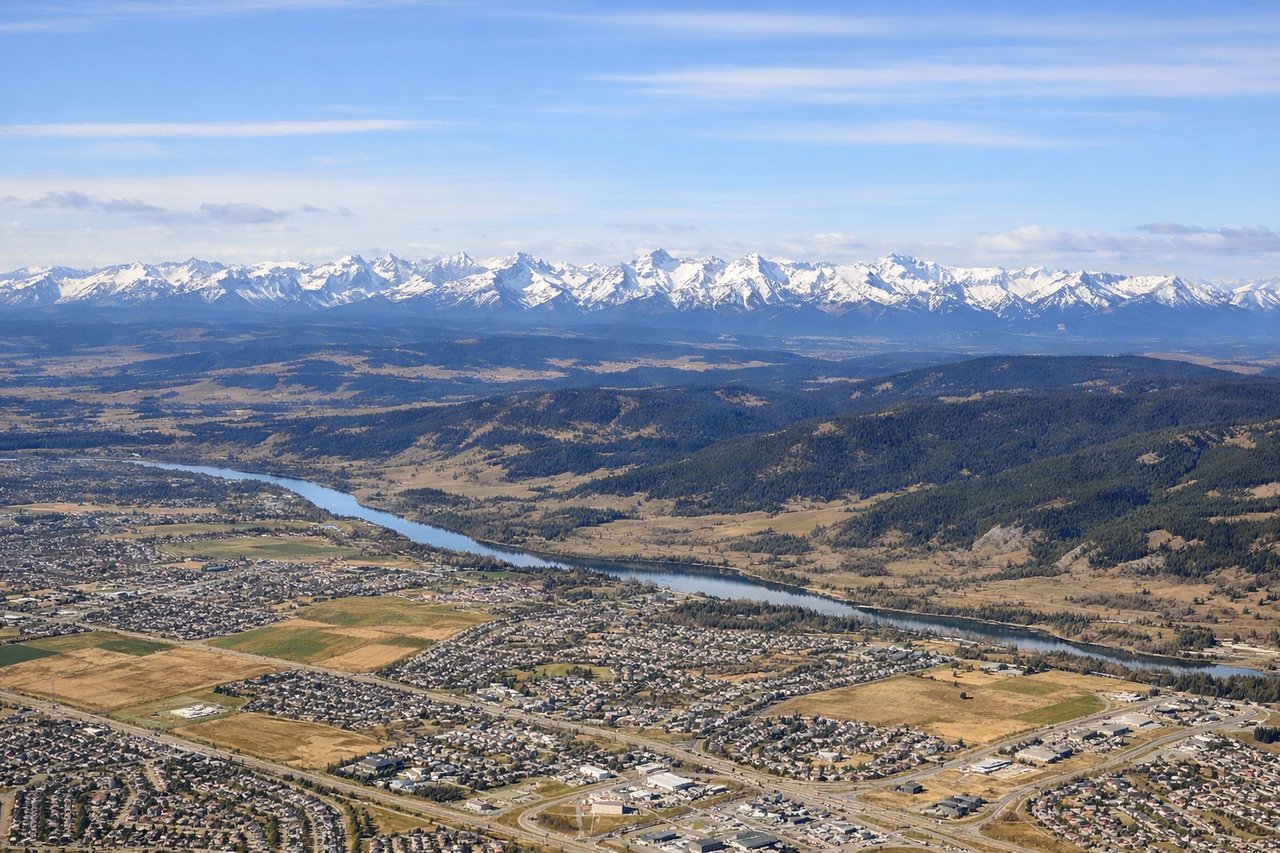
RIGHTAfter the northbound noise-abatement departure off runway 35, the aircraft banks west toward Vancouver, putting the Bow River valley, Calgary's downtown skyline, and the first rise of the Rocky Mountain front range on the right side of the cabin.
Landing at YVR
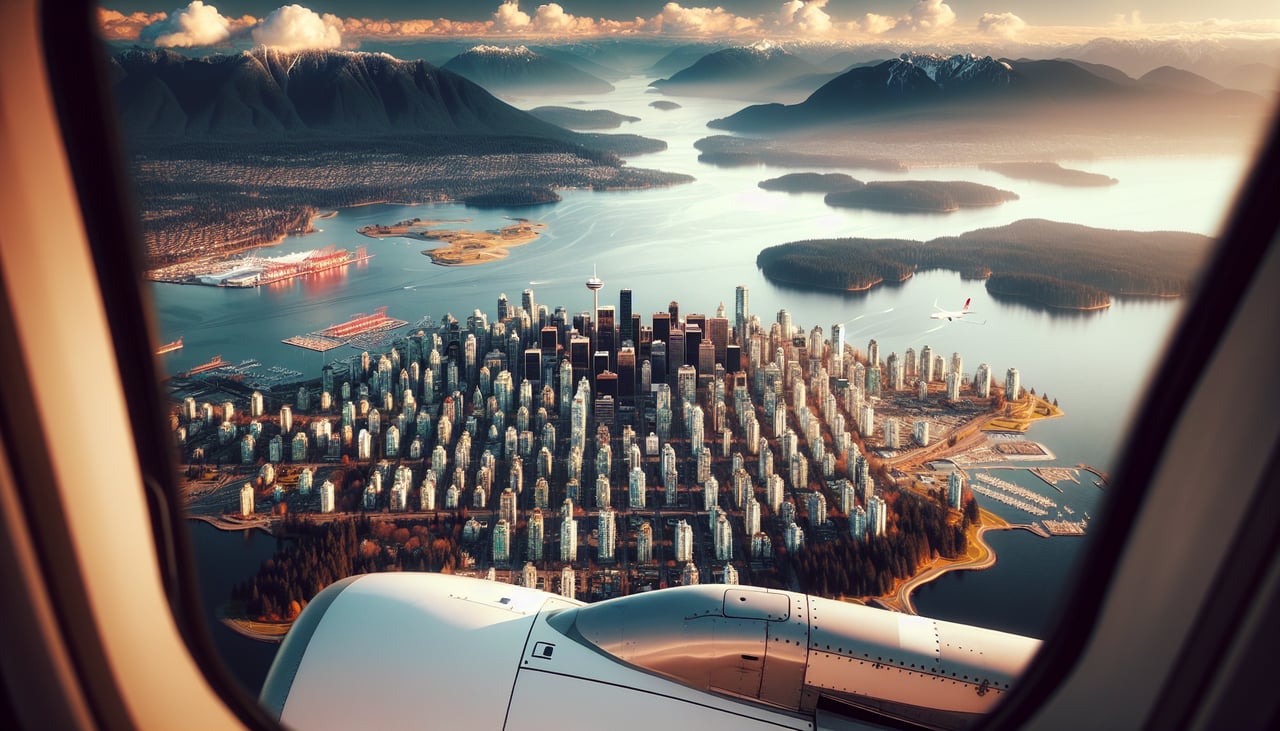
RIGHTOn final approach into YVR runway 26, the flight path crosses the Fraser Valley with the Coast Mountains and Vancouver's skyline visible to the north, while the Fraser River delta and Strait of Georgia open up ahead.
Landmarks on this routeAll landmarks →
Will your flight be in sunlight?
See exactly which side of the plane gets sun and shade at your departure time.
About This Route
Which side of the plane should I sit on flying from Calgary International (YYC) to Vancouver International (YVR)?
Sit on the Right side of the plane for the best views on flights from Calgary to Vancouver. The right side tracks the dramatic core of the route: the Rocky Mountain front range and Columbia Mountains during cruise, followed by the Coast Mountains and Vancouver skyline on descent, making it far more visually rewarding than the left side's flatter foothill and valley views.
What can I see during takeoff from Calgary International in Calgary?
During takeoff from Calgary International (YYC), sit on the Right side for the best views. After the northbound noise-abatement departure off runway 35, the aircraft banks west toward Vancouver, putting the Bow River valley, Calgary's downtown skyline, and the first rise of the Rocky Mountain front range on the right side of the cabin. Notable sights include: Bow River, Downtown Calgary skyline, Rocky Mountain front range, foothills grasslands.
What can I see when landing at Vancouver International in Vancouver?
When landing at Vancouver International (YVR), sit on the Right side for the best views. On final approach into YVR runway 26, the flight path crosses the Fraser Valley with the Coast Mountains and Vancouver's skyline visible to the north, while the Fraser River delta and Strait of Georgia open up ahead. Notable sights include: Coast Mountains, Vancouver skyline, Fraser River delta, Strait of Georgia.
How long is the flight from Calgary to Vancouver?
The flight from Calgary International (YYC) to Vancouver International (YVR) takes 1h 20m.
What does the Calgary to Vancouver flight path pass over?
Rocky Mountain Trench, Selkirk and Columbia Mountains, Glacier National Park (Canada) near Rogers Pass, Thompson River valley near Kamloops