St. John's to London is 2,326 miles (3,743 km), a flight of about 4 hours 50 minutes.
The right side wins both takeoff and landing — Newfoundland's dramatic coastal terrain around St. John's on departure, and a rare glimpse of the London skyline on arrival into Gatwick — while the left side offers mostly featureless ocean and quiet countryside.
Flight Path
Extended open North Atlantic Ocean crossing with no land visible for several hours; on many routings the flight passes near the southwest coast of Ireland (Kerry/Cork) shortly before making landfall over the British Isles.
Great circle distance and headings ›Phase by phase
Takeoff from YYT
RIGHTDeparting on runway 28, the aircraft climbs out over the Avalon Peninsula and typically turns north-northeast toward the transatlantic corridor, putting St. John's harbour, Signal Hill, and the rugged Conception Bay coastline on the right side of the plane. The left side mostly shows inland barren hills with little contrast.
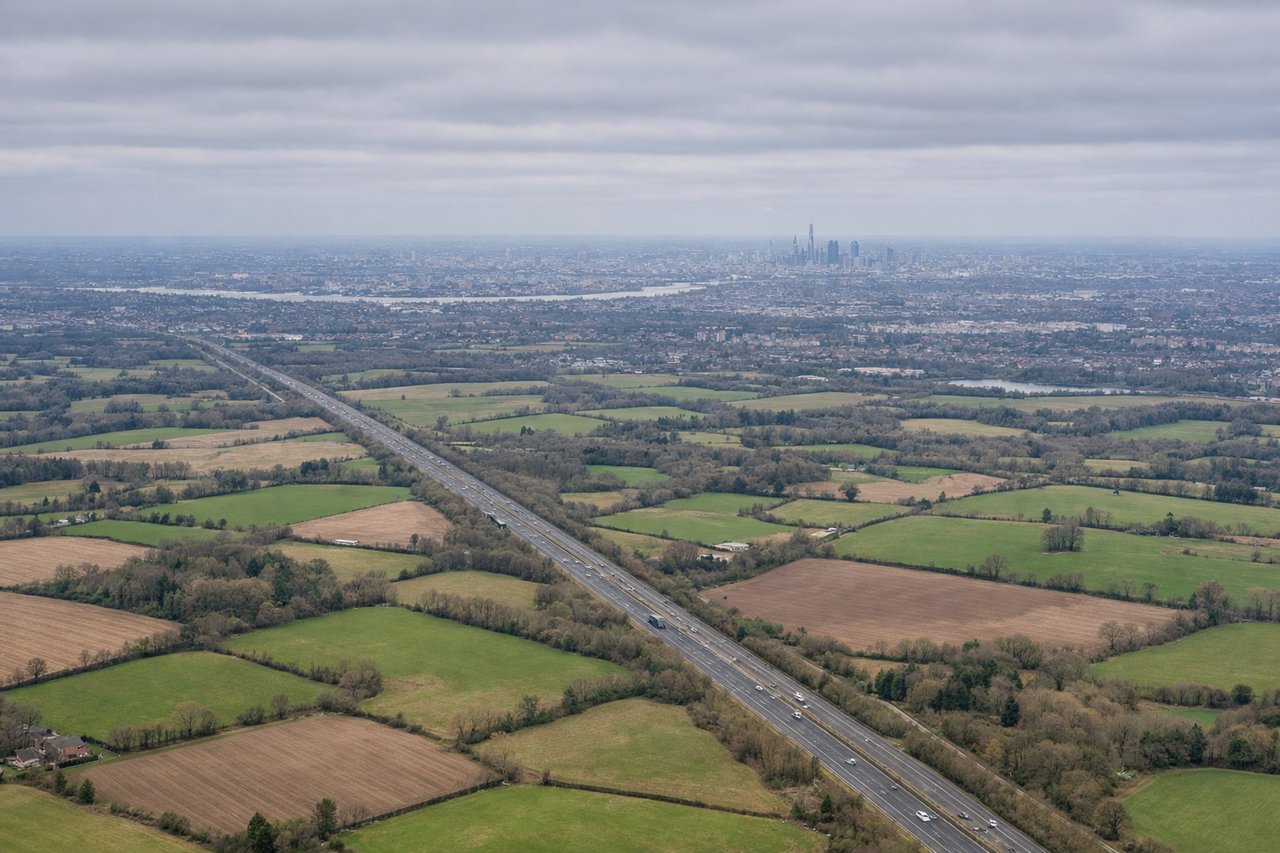
Landing at LGW
RIGHTGatwick typically lands westward on runway 26, so the approach comes in from the east over Kent and Surrey, flying west with London to the north — the right side of the aircraft. Passengers on that side can catch glimpses of the London skyline, the Thames, and outer suburbs before the turn onto final approach, while the left side only shows the quieter Sussex/Surrey countryside.
Landmarks on this routeAll landmarks →
Will your flight be in sunlight?
Pick a date and time in the Sun Map to watch the sun move across your whole flight.
About This Route
Which side of the plane should I sit on flying from St Johns International (YYT) to Gatwick (LGW)?
Sit on the Right side of the plane for the best views on flights from St. John's to London. The right side wins both takeoff and landing — Newfoundland's dramatic coastal terrain around St. John's on departure, and a rare glimpse of the London skyline on arrival into Gatwick — while the left side offers mostly featureless ocean and quiet countryside.
What can I see during takeoff from St Johns International in St. John's?
During takeoff from St Johns International (YYT), sit on the Right side for the best views. Departing on runway 28, the aircraft climbs out over the Avalon Peninsula and typically turns north-northeast toward the transatlantic corridor, putting St. John's harbour, Signal Hill, and the rugged Conception Bay coastline on the right side of the plane. The left side mostly shows inland barren hills with little contrast. Notable sights include: Signal Hill, St. John's Harbour, Conception Bay coastline, Cape Spear headland.
What can I see when landing at Gatwick in London?
When landing at Gatwick (LGW), sit on the Right side for the best views. Gatwick typically lands westward on runway 26, so the approach comes in from the east over Kent and Surrey, flying west with London to the north — the right side of the aircraft. Passengers on that side can catch glimpses of the London skyline, the Thames, and outer suburbs before the turn onto final approach, while the left side only shows the quieter Sussex/Surrey countryside. Notable sights include: London skyline (Shard, Canary Wharf in distance), River Thames bends, North Downs ridgeline, Gatwick's surrounding woodland.
How long is the flight from St. John's to London?
The flight from St Johns International (YYT) to Gatwick (LGW) takes about 4 hours 50 minutes. The shortest flight path between them is 2,326 miles (3,743 km); winds and air traffic control usually add a few percent.
What does the St. John's to London flight path pass over?
Extended open North Atlantic Ocean crossing with no land visible for several hours; on many routings the flight passes near the southwest coast of Ireland (Kerry/Cork) shortly before making landfall over the British Isles.