The right side faces the pole-ward side of this great-circle route for nearly the entire cruise, offering views of Arctic sea ice, Baffin Island's fjords, and the volcanic peaks of the Kamchatka Peninsula — far more dramatic than the largely featureless Pacific and Sea of Japan visible on the left.
Flight Path
Arctic Ocean ice pack near the Canadian Arctic Archipelago, followed later by the Chukotka Peninsula and Bering Strait region of the Russian Far East along the great-circle path's northern apex
Great circle distance and headings ›Phase by phase
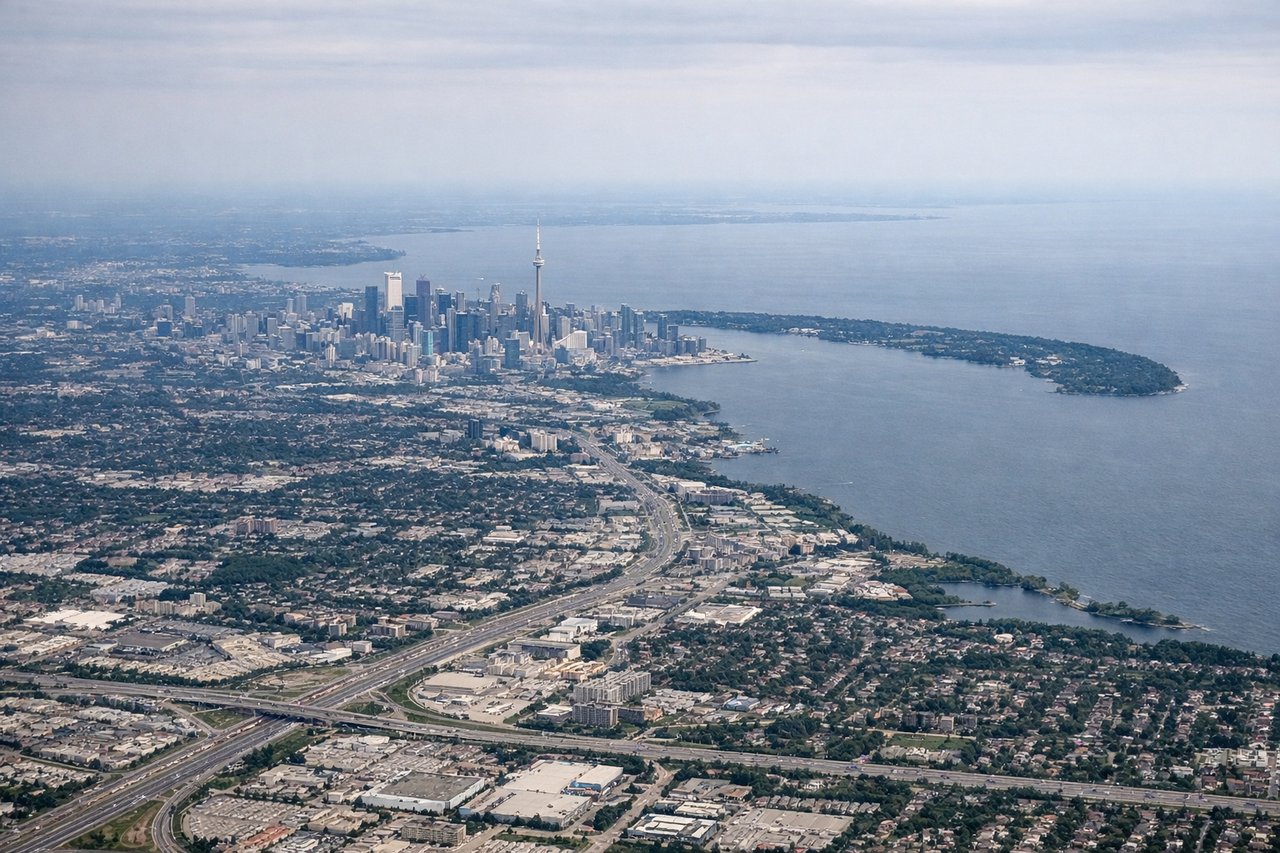
Takeoff from YYZ
RIGHTDeparting YYZ on a north-northwest track toward the polar routing, the right side faces east-southeast during the initial turn, giving a clear view of downtown Toronto's skyline and the Lake Ontario shoreline before the aircraft settles onto its northbound heading.
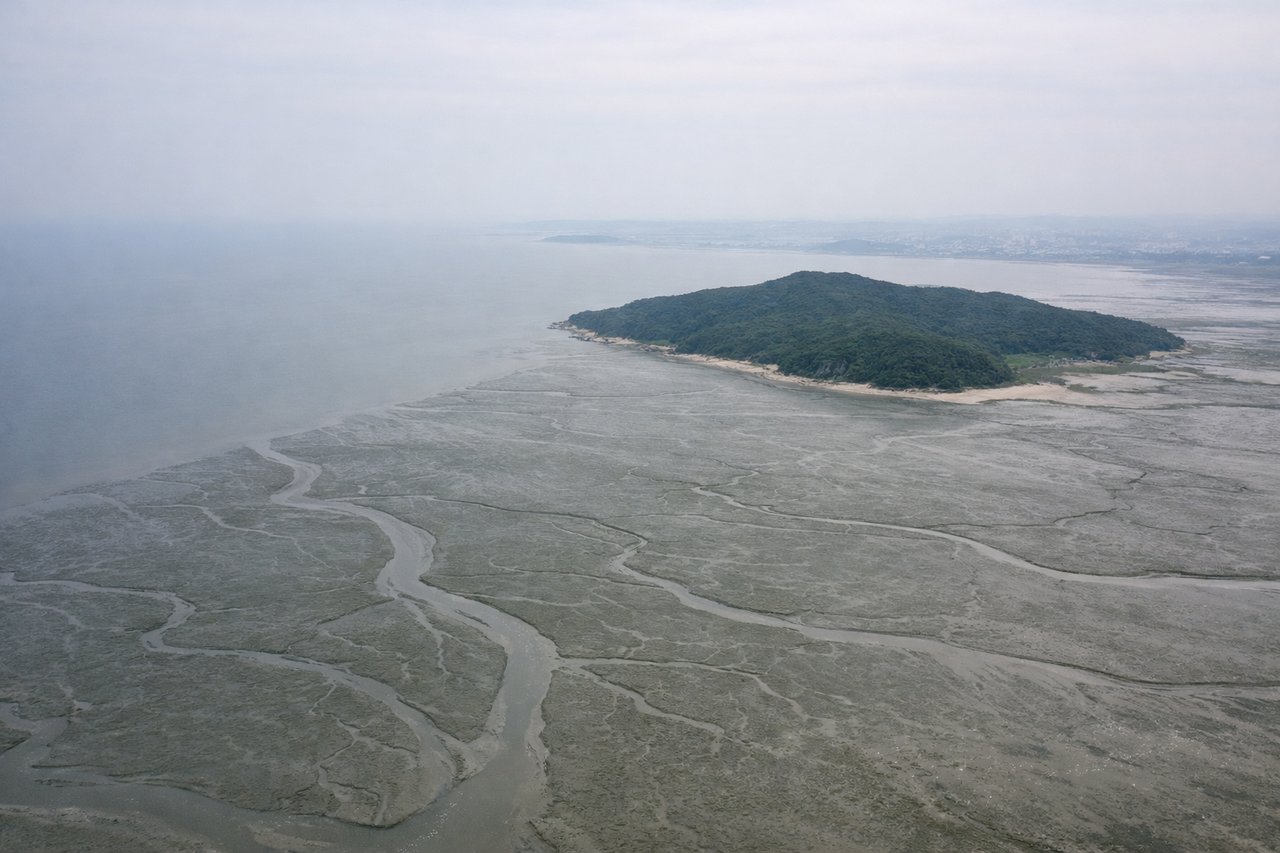
Landing at ICN
LEFTOn final approach into Incheon the aircraft crosses the Yellow Sea estuary and turns toward the mainland, putting Seoul's distant skyline and the Han River estuary on the left while the right side mostly shows flat mudflat islands.
Will your flight be in sunlight?
See exactly which side of the plane gets sun and shade at your departure time.
About This Route
Which side of the plane should I sit on flying from Lester B Pearson International (YYZ) to Incheon International (ICN)?
Sit on the Right side of the plane for the best views on flights from Toronto to Seoul. The right side faces the pole-ward side of this great-circle route for nearly the entire cruise, offering views of Arctic sea ice, Baffin Island's fjords, and the volcanic peaks of the Kamchatka Peninsula — far more dramatic than the largely featureless Pacific and Sea of Japan visible on the left.
What can I see during takeoff from Lester B Pearson International in Toronto?
During takeoff from Lester B Pearson International (YYZ), sit on the Right side for the best views. Departing YYZ on a north-northwest track toward the polar routing, the right side faces east-southeast during the initial turn, giving a clear view of downtown Toronto's skyline and the Lake Ontario shoreline before the aircraft settles onto its northbound heading. Notable sights include: CN Tower and downtown Toronto skyline, Toronto Islands, Lake Ontario shoreline, Rouge Valley greenbelt.
What can I see when landing at Incheon International in Seoul?
When landing at Incheon International (ICN), sit on the Left side for the best views. On final approach into Incheon the aircraft crosses the Yellow Sea estuary and turns toward the mainland, putting Seoul's distant skyline and the Han River estuary on the left while the right side mostly shows flat mudflat islands. Notable sights include: Han River estuary, distant Seoul skyline (Lotte World Tower visible on clear days), Incheon Bridge, Yellow Sea tidal mudflat islands.
How long is the flight from Toronto to Seoul?
The flight from Lester B Pearson International (YYZ) to Incheon International (ICN) takes 14h 30m.
What does the Toronto to Seoul flight path pass over?
Arctic Ocean ice pack near the Canadian Arctic Archipelago, followed later by the Chukotka Peninsula and Bering Strait region of the Russian Far East along the great-circle path's northern apex