The left side offers the only meaningful terrain interest on this route: a fleeting Alpine foothill view at departure and a genuinely scenic Dublin Bay/Wicklow Mountains approach at landing, while the right side is dominated by flat plains and open Irish Sea with little variation.
Flown ZRH to DUB? Did we get it right?
Flight Path
Zurich to Dublin is 769 miles (1,238 km), a flight of about 2 hours 30 minutes.
Eastern France's Champagne plains, the English Channel crossing near Normandy, and the flatlands of southern England and Wales before the Irish Sea crossing into Dublin
Great circle distance and headings ›


Phase by phase
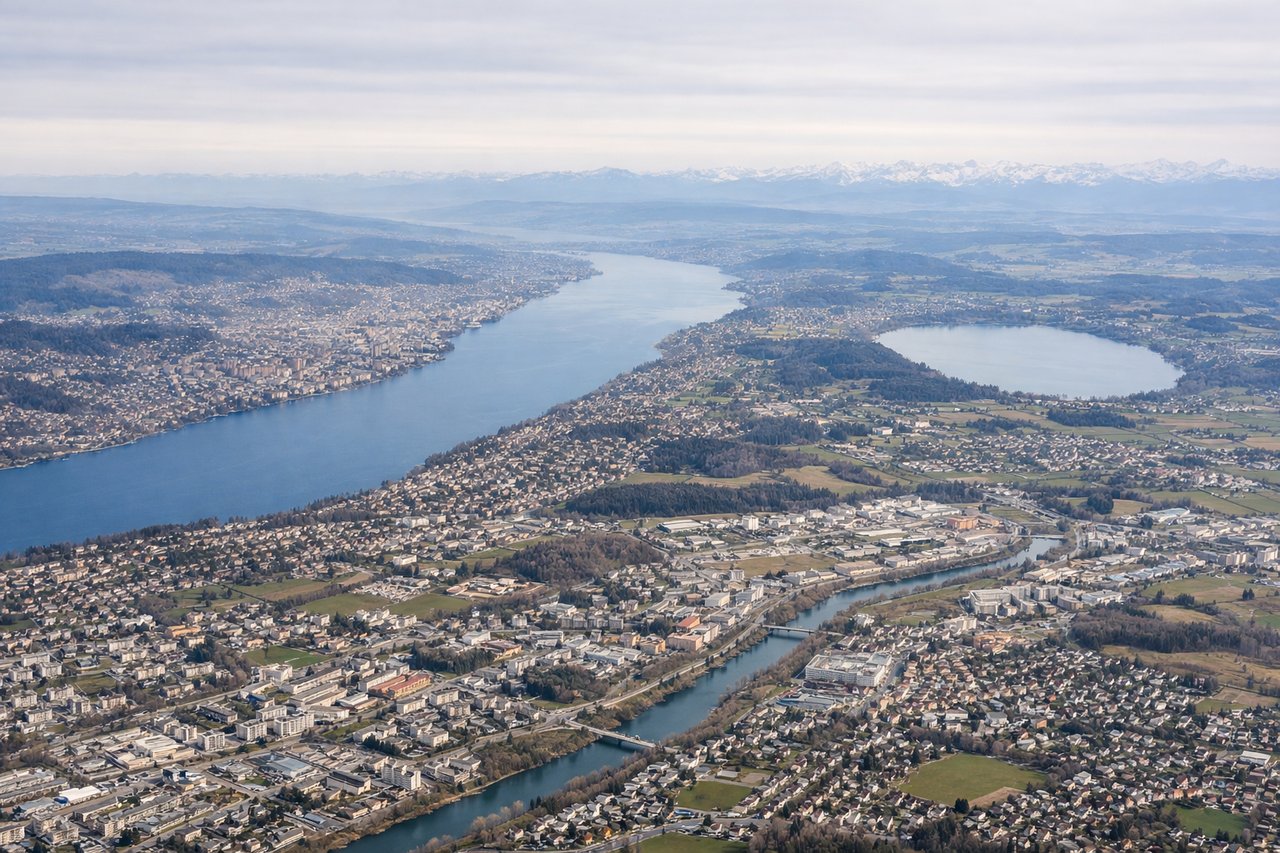
Takeoff from ZRH
LEFTDeparting Zurich on runway 28 or 16, the initial climb gives left-side passengers a brief but genuine view of Lake Zurich and the pre-Alpine foothills (Rigi, Pilatus) receding to the south before the aircraft turns northwest toward France. The right side only shows the flatter Swiss plateau toward the German border.
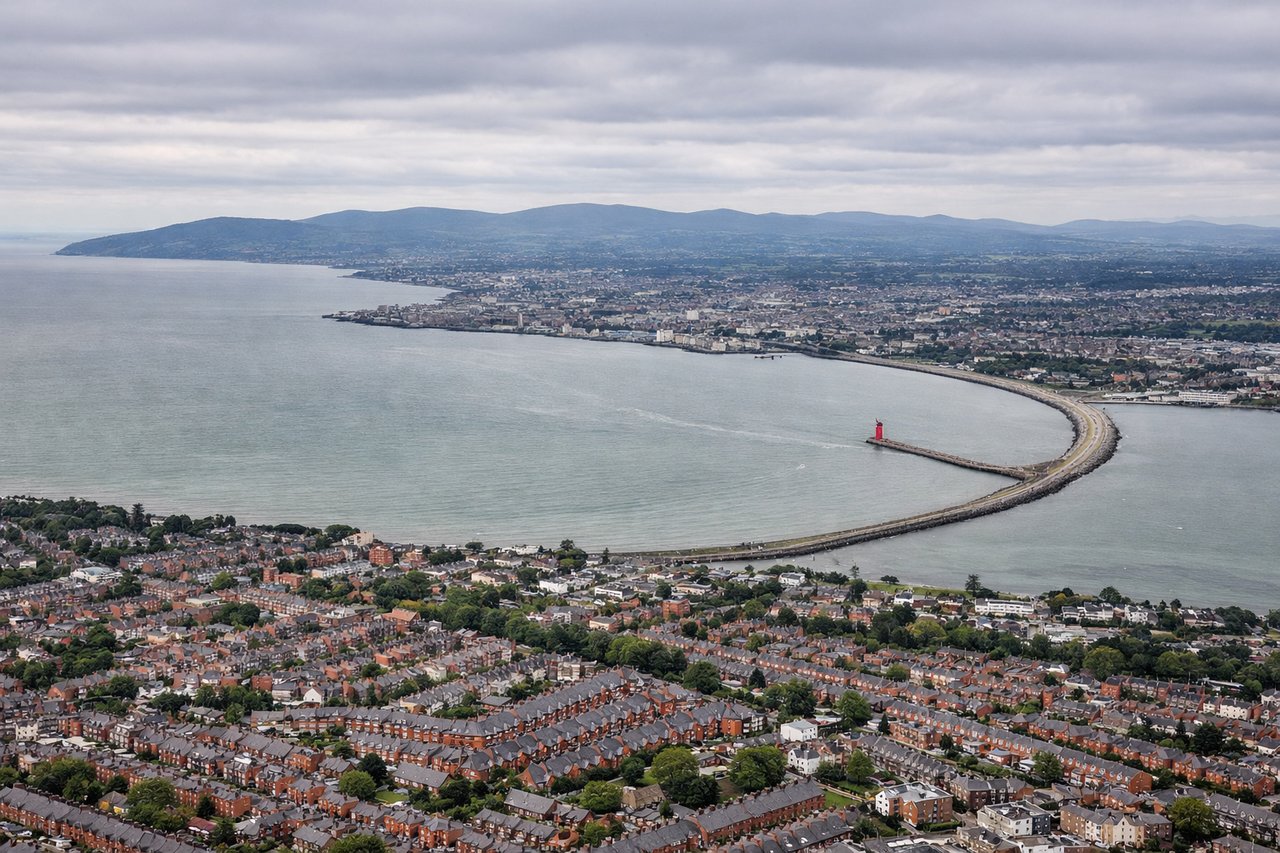
Landing at DUB
LEFTDublin's prevailing westerly wind pattern typically means arrivals land on runway 28, approaching from the east over Dublin Bay. Left-side passengers get a sweeping view of the bay, the city's coastline, and the Wicklow Mountains rising to the south before touchdown.
Will your flight be in sunlight?
Pick a date and time in the Sun Map to watch the sun move across your whole flight.
About This Route
Which side of the plane should I sit on flying from Zurich (ZRH) to Dublin (DUB)?
Sit on the Left side of the plane for the best views on flights from Zurich to Dublin. The left side offers the only meaningful terrain interest on this route: a fleeting Alpine foothill view at departure and a genuinely scenic Dublin Bay/Wicklow Mountains approach at landing, while the right side is dominated by flat plains and open Irish Sea with little variation.
What can I see during takeoff from Zurich in Zurich?
During takeoff from Zurich (ZRH), sit on the Left side for the best views. Departing Zurich on runway 28 or 16, the initial climb gives left-side passengers a brief but genuine view of Lake Zurich and the pre-Alpine foothills (Rigi, Pilatus) receding to the south before the aircraft turns northwest toward France. The right side only shows the flatter Swiss plateau toward the German border. Notable sights include: Lake Zurich, Uetliberg ridge, distant Alpine foothills (Rigi/Pilatus).
What can I see when landing at Dublin in Dublin?
When landing at Dublin (DUB), sit on the Left side for the best views. Dublin's prevailing westerly wind pattern typically means arrivals land on runway 28, approaching from the east over Dublin Bay. Left-side passengers get a sweeping view of the bay, the city's coastline, and the Wicklow Mountains rising to the south before touchdown. Notable sights include: Dublin Bay, Dublin city skyline, Wicklow Mountains, Irish Sea coastline.
How long is the flight from Zurich to Dublin?
The flight from Zurich (ZRH) to Dublin (DUB) takes about 2 hours 30 minutes. The shortest flight path between them is 769 miles (1,238 km); winds and air traffic control usually add a few percent.
What does the Zurich to Dublin flight path pass over?
Eastern France's Champagne plains, the English Channel crossing near Normandy, and the flatlands of southern England and Wales before the Irish Sea crossing into Dublin