While the left side wins the Zurich departure with a brief Alps glimpse, the right side offers more consistent interest through the flight — steppe and desert terrain visible to the south during the long Central Asian cruise, plus a strong Seoul-skyline arrival into Incheon.
Flown ZRH to ICN? Did we get it right?
Flight Path
Zurich to Seoul is 5,433 miles (8,744 km), a flight of about 10 hours 15 minutes.
Ukrainian and Kazakh steppe, the Altai Mountains along the Mongolia-China border, and the southern fringe of the Gobi Desert are visible to the south of the flight path during the long cruise over Central Asia.
Great circle distance and headings ›

Phase by phase
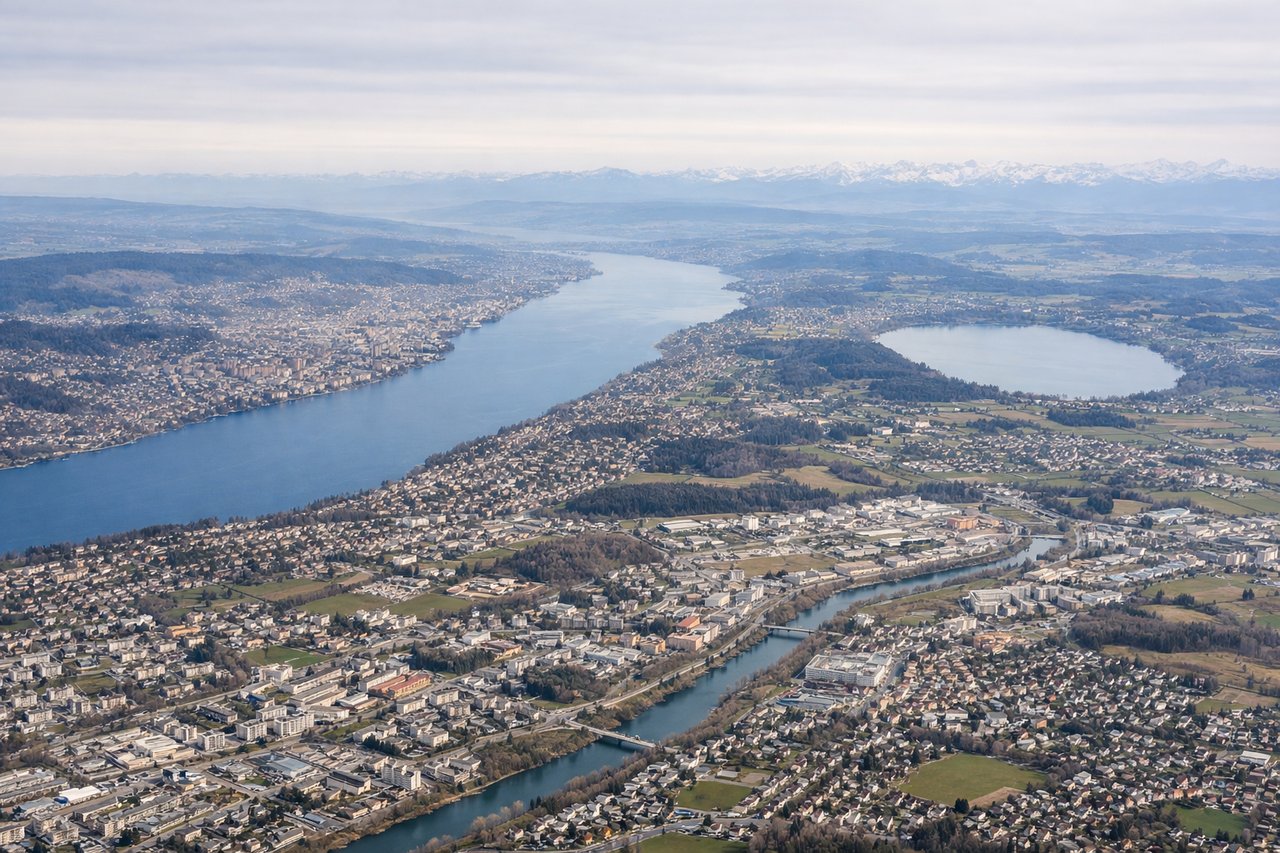
Takeoff from ZRH
LEFTDeparting ZRH to the west then banking north toward the Central European airways, the left side gets a good look back at Lake Zurich and the city before the Alps' northern rampart (Glarus Alps, Säntis) fills the horizon to the south during the turn.
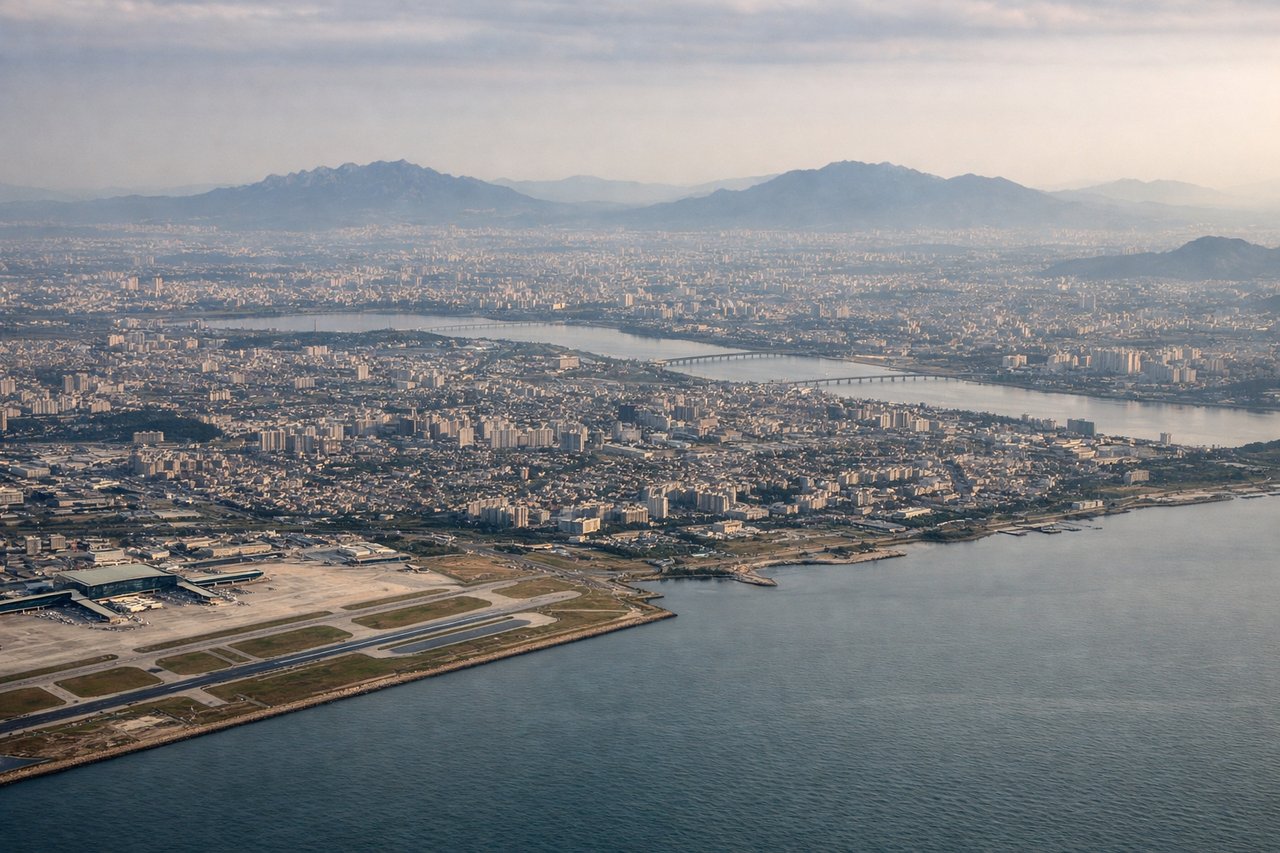
Landing at ICN
RIGHTArriving into ICN from the southeast on a northwest-heading runway, the right side faces inland toward Seoul, giving views of the sprawling metropolitan area along the Han River backed by the low mountains east of the city before the aircraft crosses back out over Incheon's tidal islands to land.
Will your flight be in sunlight?
Pick a date and time in the Sun Map to watch the sun move across your whole flight.
About This Route
Which side of the plane should I sit on flying from Zurich (ZRH) to Incheon International (ICN)?
Sit on the Right side of the plane for the best views on flights from Zurich to Seoul. While the left side wins the Zurich departure with a brief Alps glimpse, the right side offers more consistent interest through the flight — steppe and desert terrain visible to the south during the long Central Asian cruise, plus a strong Seoul-skyline arrival into Incheon.
What can I see during takeoff from Zurich in Zurich?
During takeoff from Zurich (ZRH), sit on the Left side for the best views. Departing ZRH to the west then banking north toward the Central European airways, the left side gets a good look back at Lake Zurich and the city before the Alps' northern rampart (Glarus Alps, Säntis) fills the horizon to the south during the turn. Notable sights include: Lake Zurich, City of Zurich, Glarus Alps, Säntis peak.
What can I see when landing at Incheon International in Seoul?
When landing at Incheon International (ICN), sit on the Right side for the best views. Arriving into ICN from the southeast on a northwest-heading runway, the right side faces inland toward Seoul, giving views of the sprawling metropolitan area along the Han River backed by the low mountains east of the city before the aircraft crosses back out over Incheon's tidal islands to land. Notable sights include: Han River, Seoul urban sprawl, Bukhansan mountains, Incheon Bay tidal islands.
How long is the flight from Zurich to Seoul?
The flight from Zurich (ZRH) to Incheon International (ICN) takes about 10 hours 15 minutes. The shortest flight path between them is 5,433 miles (8,744 km); winds and air traffic control usually add a few percent.
What does the Zurich to Seoul flight path pass over?
Ukrainian and Kazakh steppe, the Altai Mountains along the Mongolia-China border, and the southern fringe of the Gobi Desert are visible to the south of the flight path during the long cruise over Central Asia.