Both sides score equally for the cruise phase (14+ hours of open Indian Ocean with minimal variation), but the right side wins decisively on landing approach. Perth's arrival sequence over Rottnest Island and the Indian Ocean coastline provides genuine scenic drama and recognizable landmarks, whereas the left side offers only inland desert and sparse settlements. The takeoff from Zurich is slightly better on the left (Jura Mountains), but the landing advantage on the right outweighs this.
Flown ZRH to PER? Did we get it right?
Flight Path
Zurich to Perth is 8,579 miles (13,806 km), a flight of about 17 hours 20 minutes.
The flight crosses the Mediterranean Sea (southern France/Spain coastline visible during initial climb), North Africa (Sahara Desert, Atlas Mountains), sub-Saharan Africa (sparse landmarks over central Africa), the Indian Ocean (open water for 10+ hours with no visible land), and approaches Western Australia's coastline near Perth. No major landmarks are visible during the 10-hour Indian Ocean crossing.
Great circle distance and headings ›Phase by phase
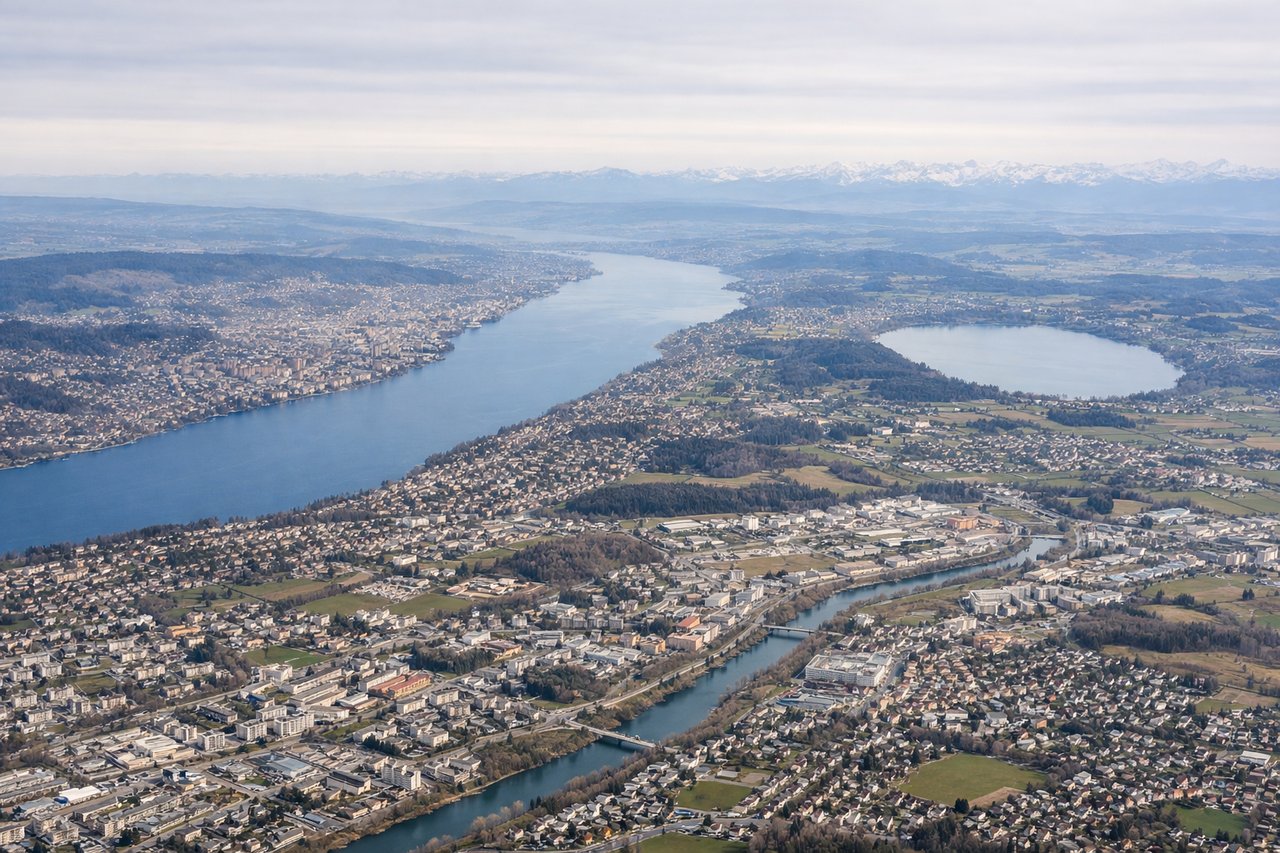
Takeoff from ZRH
LEFTWestbound departures from ZRH (runway 28) climb over the Swiss Plateau and Jura Mountains, offering immediate alpine terrain. Eastbound departures (runway 16) climb southward over flatter terrain toward the Alps but with less immediate visual drama during the critical first 15 minutes.
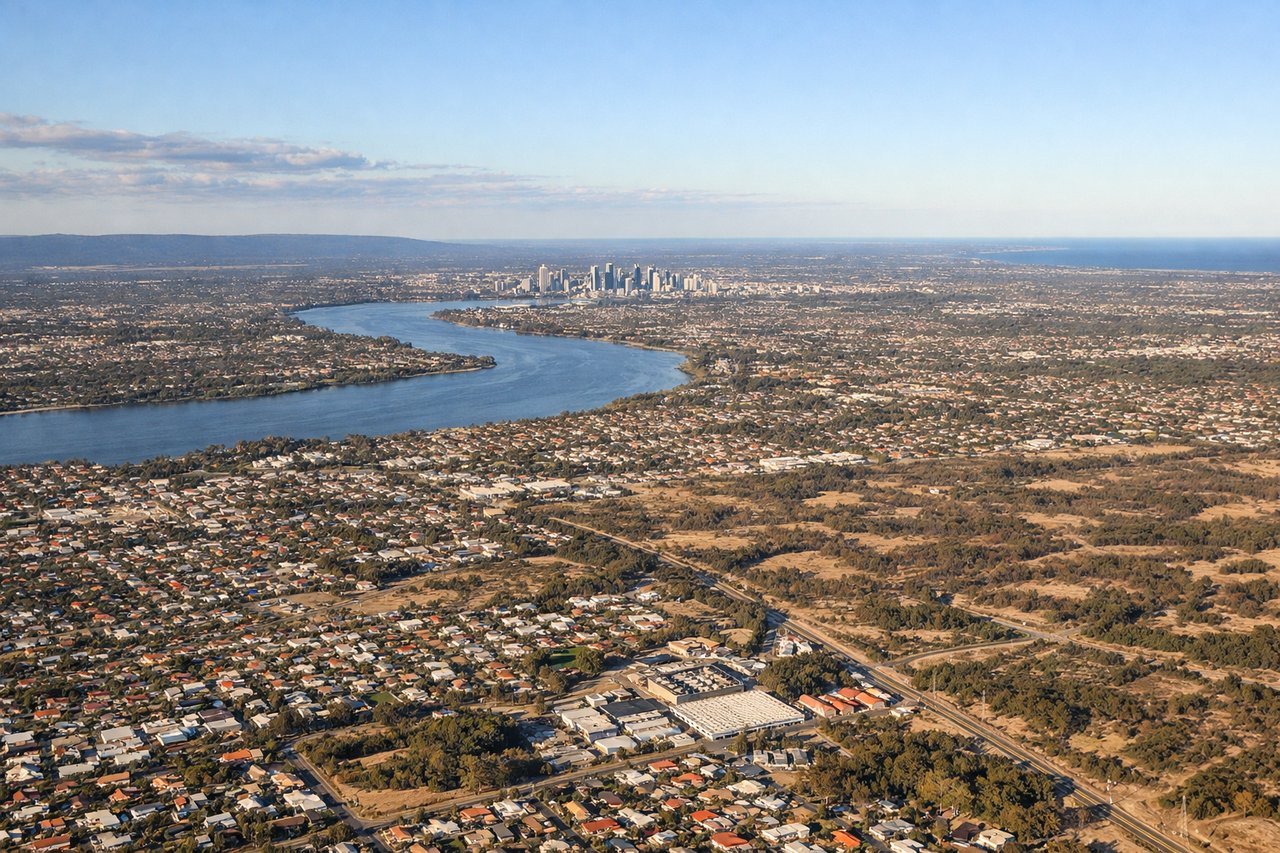
Landing at PER
RIGHTArrivals into Perth typically use runway 21 (southbound) during afternoon sea breezes. Right-side passengers descending from the northeast see the Indian Ocean coastline, Rottnest Island, and Perth's harbor and skyline. Left-side passengers see inland desert and sparse settlements with minimal visual interest during approach.
Will your flight be in sunlight?
Pick a date and time in the Sun Map to watch the sun move across your whole flight.
About This Route
Which side of the plane should I sit on flying from Zurich (ZRH) to Perth International (PER)?
Sit on the Right side of the plane for the best views on flights from Zurich to Perth. Both sides score equally for the cruise phase (14+ hours of open Indian Ocean with minimal variation), but the right side wins decisively on landing approach. Perth's arrival sequence over Rottnest Island and the Indian Ocean coastline provides genuine scenic drama and recognizable landmarks, whereas the left side offers only inland desert and sparse settlements. The takeoff from Zurich is slightly better on the left (Jura Mountains), but the landing advantage on the right outweighs this.
What can I see during takeoff from Zurich in Zurich?
During takeoff from Zurich (ZRH), sit on the Left side for the best views. Westbound departures from ZRH (runway 28) climb over the Swiss Plateau and Jura Mountains, offering immediate alpine terrain. Eastbound departures (runway 16) climb southward over flatter terrain toward the Alps but with less immediate visual drama during the critical first 15 minutes. Notable sights include: Jura Mountains (northwest of Zurich), Swiss Plateau extending toward France, Lake Zurich (visible during initial climb), pre-Alpine foothills.
What can I see when landing at Perth International in Perth?
When landing at Perth International (PER), sit on the Right side for the best views. Arrivals into Perth typically use runway 21 (southbound) during afternoon sea breezes. Right-side passengers descending from the northeast see the Indian Ocean coastline, Rottnest Island, and Perth's harbor and skyline. Left-side passengers see inland desert and sparse settlements with minimal visual interest during approach. Notable sights include: Rottnest Island (distinctive small island 18 km west of Perth), Swan River estuary and Perth Harbor, Perth city skyline and CBD, Indian Ocean coastline.
How long is the flight from Zurich to Perth?
The flight from Zurich (ZRH) to Perth International (PER) takes about 17 hours 20 minutes. The shortest flight path between them is 8,579 miles (13,806 km); winds and air traffic control usually add a few percent.
What does the Zurich to Perth flight path pass over?
The flight crosses the Mediterranean Sea (southern France/Spain coastline visible during initial climb), North Africa (Sahara Desert, Atlas Mountains), sub-Saharan Africa (sparse landmarks over central Africa), the Indian Ocean (open water for 10+ hours with no visible land), and approaches Western Australia's coastline near Perth. No major landmarks are visible during the 10-hour Indian Ocean crossing.