The right side wins overall because it captures the only true mountain scenery of the trip — the Alps at departure — plus better positioning for the Ural foothills and Mongolian Altai steppe glimpsed during the long overland cruise, while the left side faces mostly flat Siberian plains for hours.
Flight Path
Ural Mountains foothills, West Siberian Plain, southern Siberian taiga near the Altai-Sayan region, Mongolian steppe and Gobi Desert fringes
Great circle distance and headings ›
.jpg?width=600)


.jpg?width=600)

Phase by phase

Takeoff from ZRH
RIGHTDeparting Zurich eastbound, the Alps rise immediately to the south, visible on the right side as the aircraft climbs out over the Swiss plateau. Passengers get a brief but striking view of snow-capped peaks before the route bends northeast over Germany.
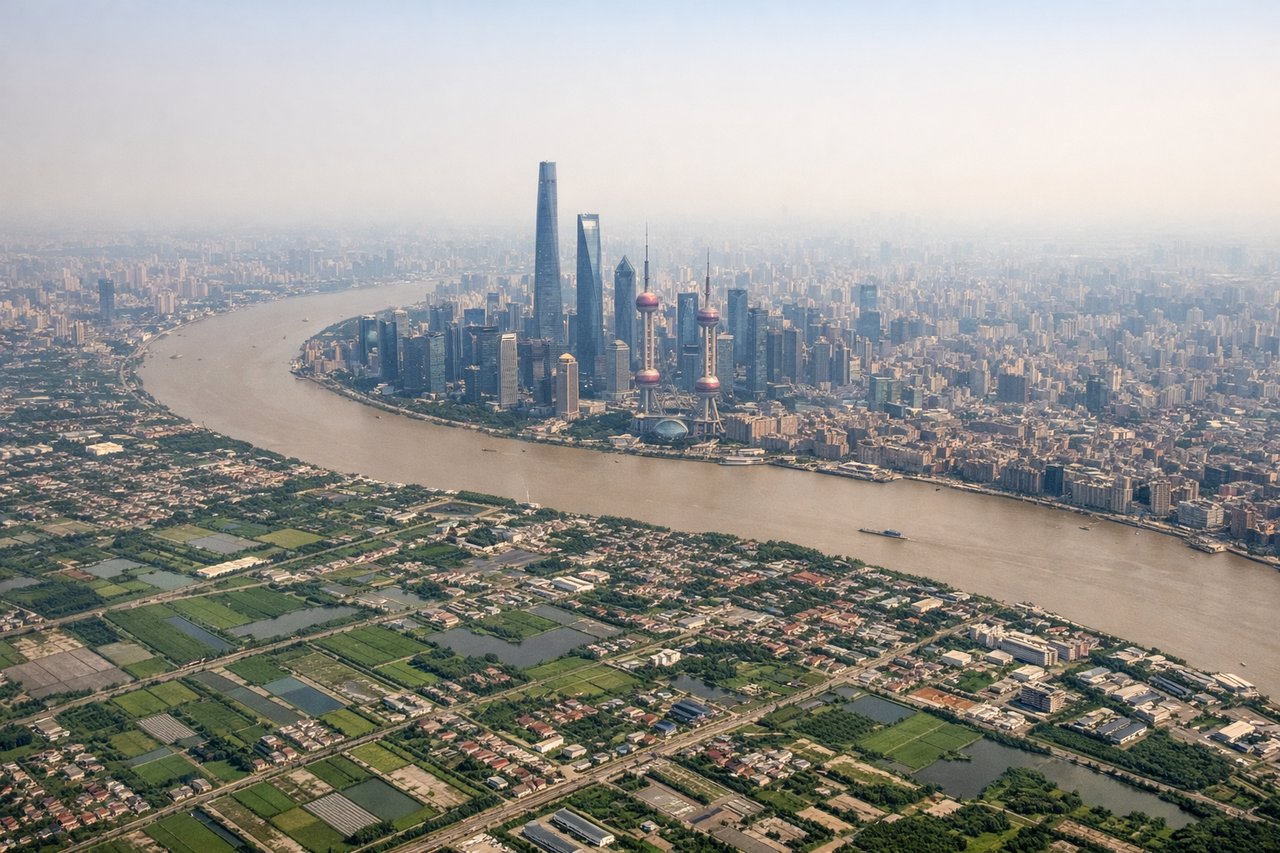
Landing at PVG
LEFTOn approach into Pudong, arrivals descending from the north or northwest pass over the Yangtze River delta and Hangzhou Bay, giving left-side passengers a view of the intricate waterways, fish farms, and the edge of Shanghai's dense urban sprawl before touchdown.
Landmarks on this routeAll landmarks →
Will your flight be in sunlight?
See exactly which side of the plane gets sun and shade at your departure time.
About This Route
Which side of the plane should I sit on flying from Zurich (ZRH) to Shanghai Pudong International (PVG)?
Sit on the Right side of the plane for the best views on flights from Zurich to Shanghai. The right side wins overall because it captures the only true mountain scenery of the trip — the Alps at departure — plus better positioning for the Ural foothills and Mongolian Altai steppe glimpsed during the long overland cruise, while the left side faces mostly flat Siberian plains for hours.
What can I see during takeoff from Zurich in Zurich?
During takeoff from Zurich (ZRH), sit on the Right side for the best views. Departing Zurich eastbound, the Alps rise immediately to the south, visible on the right side as the aircraft climbs out over the Swiss plateau. Passengers get a brief but striking view of snow-capped peaks before the route bends northeast over Germany. Notable sights include: Swiss Alps foothills, Lake Zurich, Lake Constance, Säntis massif.
What can I see when landing at Shanghai Pudong International in Shanghai?
When landing at Shanghai Pudong International (PVG), sit on the Left side for the best views. On approach into Pudong, arrivals descending from the north or northwest pass over the Yangtze River delta and Hangzhou Bay, giving left-side passengers a view of the intricate waterways, fish farms, and the edge of Shanghai's dense urban sprawl before touchdown. Notable sights include: Yangtze River delta waterways, Hangzhou Bay coastline, Shanghai suburban sprawl, Pudong industrial zone.
How long is the flight from Zurich to Shanghai?
The flight from Zurich (ZRH) to Shanghai Pudong International (PVG) takes 10h 25m.
What does the Zurich to Shanghai flight path pass over?
Ural Mountains foothills, West Siberian Plain, southern Siberian taiga near the Altai-Sayan region, Mongolian steppe and Gobi Desert fringes