Zurich to Sion is 103 miles (166 km), a flight of about 30 minutes.
The right side delivers the more dramatic scenery across the full flight. During cruise the right side faces south and southwest, tracking the main Alpine chain including the Bernese Oberland peaks, and on approach into Sion the right side has the definitive view of the Bernese Alps wall and the iconic twin castle hills of Sion itself.
Flight Path
The flight crosses the Swiss Mittelland briefly before entering the Alps over the Bernese Oberland foothills near Fribourg or Bern. The route then tracks southwest over or near the Simmental valley before descending into the upper Rhone Valley (Valais). The Bernese Alps — including the Wildstrubel, Wildhorn, and potentially the Balmhorn — are visible throughout the Alpine crossing. The Rhone Valley becomes visible as a distinct flat corridor cutting west-east through the mountains on descent.
Great circle distance and headings ›

.jpg?width=600)


Phase by phase
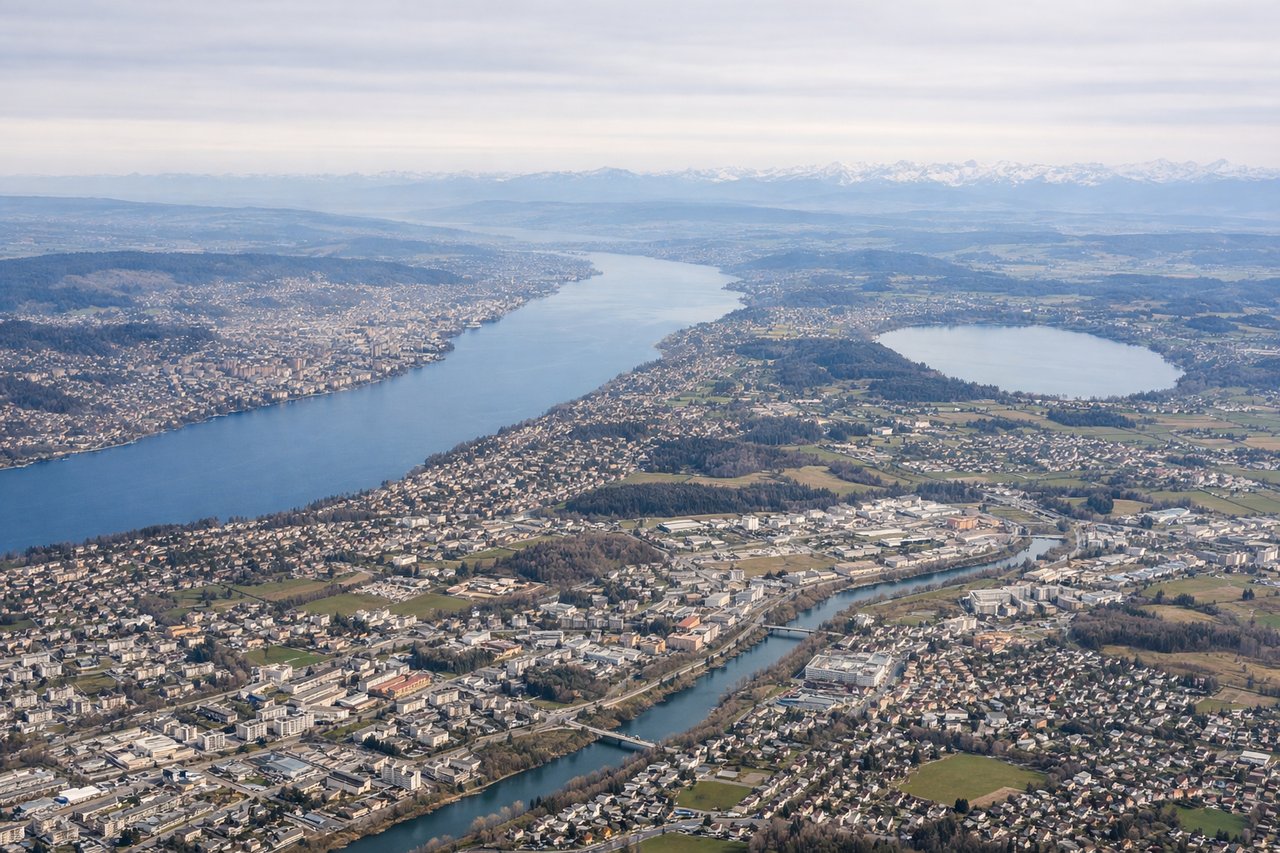
Takeoff from ZRH
LEFTZurich typically departs on runway 16 (heading south) or runway 28 (heading west). On a southbound departure toward Sion, the left side gives you a clear view over Lake Zurich stretching southeast, with the Glarus Alps rising beyond. The city center and the Limmat river corridor are also visible to the left during initial climb.
Landing at SIR
RIGHTSion Airport uses runway 25 for westbound landings, meaning the aircraft approaches from the east flying west down the Rhone Valley. The right side faces north toward the dramatic Bernese Alps wall — the Wildhorn and Wildstrubel massifs are clearly visible across the valley. The left side faces south toward the lower Valais hills, which are less dramatic.
Landmarks on this routeAll landmarks →
Will your flight be in sunlight?
Pick a date and time in the Sun Map to watch the sun move across your whole flight.
About This Route
Which side of the plane should I sit on flying from Zurich (ZRH) to Sion (SIR)?
Sit on the Right side of the plane for the best views on flights from Zurich to Sion. The right side delivers the more dramatic scenery across the full flight. During cruise the right side faces south and southwest, tracking the main Alpine chain including the Bernese Oberland peaks, and on approach into Sion the right side has the definitive view of the Bernese Alps wall and the iconic twin castle hills of Sion itself.
What can I see during takeoff from Zurich in Zurich?
During takeoff from Zurich (ZRH), sit on the Left side for the best views. Zurich typically departs on runway 16 (heading south) or runway 28 (heading west). On a southbound departure toward Sion, the left side gives you a clear view over Lake Zurich stretching southeast, with the Glarus Alps rising beyond. The city center and the Limmat river corridor are also visible to the left during initial climb. Notable sights include: Lake Zurich, Glarus Alps, Zurich city center, Limmat river valley.
What can I see when landing at Sion in Sion?
When landing at Sion (SIR), sit on the Right side for the best views. Sion Airport uses runway 25 for westbound landings, meaning the aircraft approaches from the east flying west down the Rhone Valley. The right side faces north toward the dramatic Bernese Alps wall — the Wildhorn and Wildstrubel massifs are clearly visible across the valley. The left side faces south toward the lower Valais hills, which are less dramatic. Notable sights include: Rhone Valley floor, Bernese Alps (Wildstrubel, Wildhorn), Sion's twin castle hills (Tourbillon and Valère), vineyard terraces on valley slopes.
How long is the flight from Zurich to Sion?
The flight from Zurich (ZRH) to Sion (SIR) takes about 30 minutes. The shortest flight path between them is 103 miles (166 km); winds and air traffic control usually add a few percent.
What does the Zurich to Sion flight path pass over?
The flight crosses the Swiss Mittelland briefly before entering the Alps over the Bernese Oberland foothills near Fribourg or Bern. The route then tracks southwest over or near the Simmental valley before descending into the upper Rhone Valley (Valais). The Bernese Alps — including the Wildstrubel, Wildhorn, and potentially the Balmhorn — are visible throughout the Alpine crossing. The Rhone Valley becomes visible as a distinct flat corridor cutting west-east through the mountains on descent.