Zurich to Montreal is 3,711 miles (5,972 km), a flight of about 8 hours 15 minutes.
Left side wins at both ends of the flight. Over the Atlantic the views are similar on both sides, but the left seat captures Lake Zurich and the Alps on departure and the St. Lawrence and Montreal on arrival, making it the clear choice for the whole journey.
Flight Path
The flight tracks northwest over the Jura Mountains and eastern France, crosses the English Channel near the Normandy coast, then heads out over the North Atlantic. The route passes south of Greenland and Iceland, with occasional iceberg fields and sea ice visible at lower latitudes in winter. The Canadian coastline is crossed over Labrador or Quebec, with the boreal forest and frozen lakes of the Canadian Shield visible for the final hour before descending toward Montreal.
Great circle distance and headings ›

.jpeg?width=600)
Phase by phase
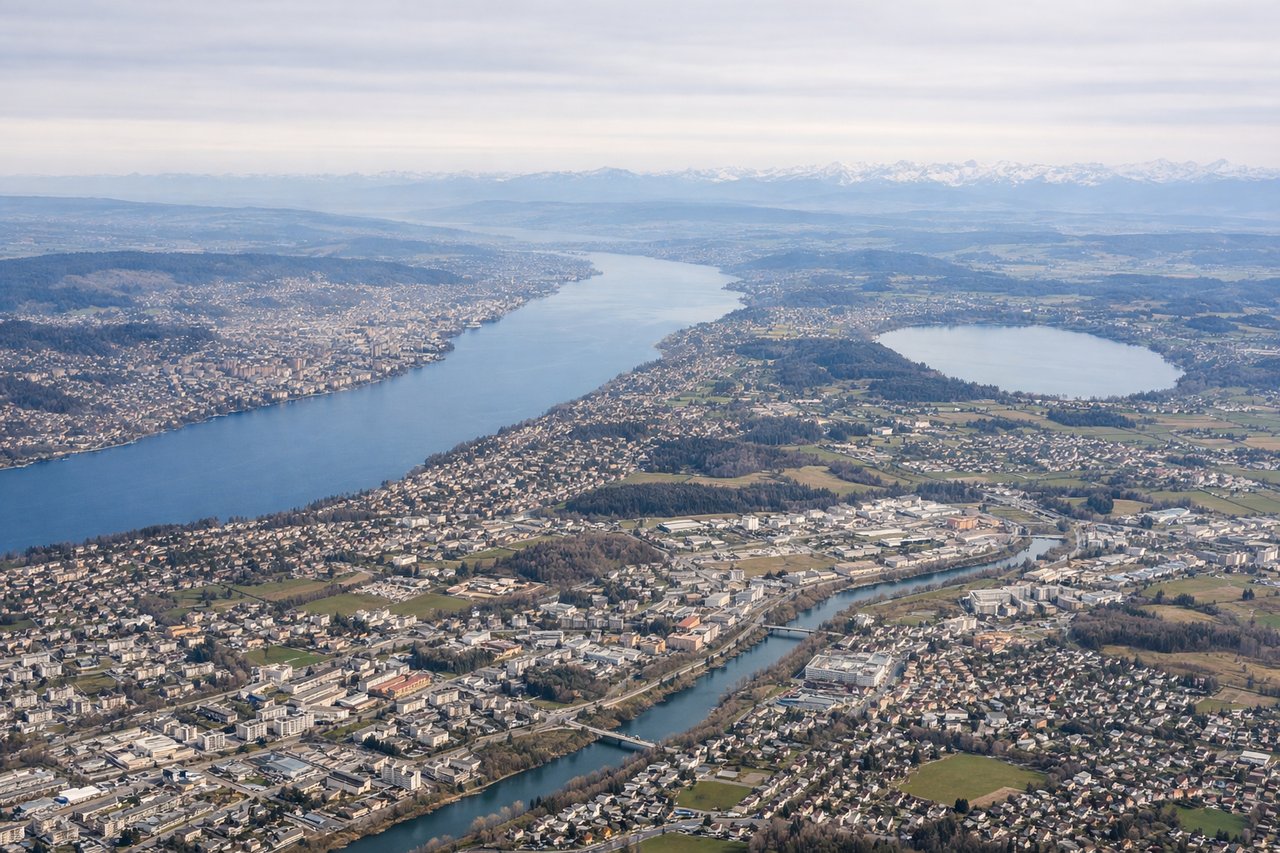
Takeoff from ZRH
LEFTZurich typically departs on runway 16 heading south or runway 28 heading west. On a westbound transatlantic routing, a left-side seat gives you views over Lake Zurich and the Swiss Plateau before the Alps come into view to the south. The city of Zurich and the Limmat valley are clearly visible on the left during the initial climb.
Landing at YHU
LEFTYHU (Saint-Hubert) sits southeast of Montreal island. Arrivals typically come in from the east or northeast, meaning a left-side seat looks north toward the St. Lawrence River and Montreal island during the approach. You get a clear view of the St. Lawrence, the Montreal skyline, and the distinctive shape of the island as you descend.
Landmarks on this routeAll landmarks →
Will your flight be in sunlight?
Pick a date and time in the Sun Map to watch the sun move across your whole flight.
About This Route
Which side of the plane should I sit on flying from Zurich (ZRH) to St Hubert (YHU)?
Sit on the Left side of the plane for the best views on flights from Zurich to Montreal. Left side wins at both ends of the flight. Over the Atlantic the views are similar on both sides, but the left seat captures Lake Zurich and the Alps on departure and the St. Lawrence and Montreal on arrival, making it the clear choice for the whole journey.
What can I see during takeoff from Zurich in Zurich?
During takeoff from Zurich (ZRH), sit on the Left side for the best views. Zurich typically departs on runway 16 heading south or runway 28 heading west. On a westbound transatlantic routing, a left-side seat gives you views over Lake Zurich and the Swiss Plateau before the Alps come into view to the south. The city of Zurich and the Limmat valley are clearly visible on the left during the initial climb. Notable sights include: Lake Zurich, Zurich city center and the Limmat river, the Glarus Alps to the southeast, Lake Greifen.
What can I see when landing at St Hubert in Montreal?
When landing at St Hubert (YHU), sit on the Left side for the best views. YHU (Saint-Hubert) sits southeast of Montreal island. Arrivals typically come in from the east or northeast, meaning a left-side seat looks north toward the St. Lawrence River and Montreal island during the approach. You get a clear view of the St. Lawrence, the Montreal skyline, and the distinctive shape of the island as you descend. Notable sights include: St. Lawrence River, Montreal island and downtown skyline, Mont Royal, Richelieu River valley.
How long is the flight from Zurich to Montreal?
The flight from Zurich (ZRH) to St Hubert (YHU) takes about 8 hours 15 minutes. The shortest flight path between them is 3,711 miles (5,972 km); winds and air traffic control usually add a few percent.
What does the Zurich to Montreal flight path pass over?
The flight tracks northwest over the Jura Mountains and eastern France, crosses the English Channel near the Normandy coast, then heads out over the North Atlantic. The route passes south of Greenland and Iceland, with occasional iceberg fields and sea ice visible at lower latitudes in winter. The Canadian coastline is crossed over Labrador or Quebec, with the boreal forest and frozen lakes of the Canadian Shield visible for the final hour before descending toward Montreal.