Beauvais to Manchester is 329 miles (529 km), a flight of about 1 hour 15 minutes.
Right-side seats capture the more dramatic geography: the Seine valley and Normandy coast on departure, then the Irish Sea and coastal plains during cruise, and finally the Pennine Hills on approach. Left seats see more industrial/urban landscape throughout.
Flight Path
English Channel crossing (roughly 30 minutes into flight), Kent and Sussex coastline, South Downs escarpment visible from altitude, then transition to Midlands industrial belt and Cheshire plains before Manchester approach. The Channel itself is the most dramatic midpoint feature—a wide water body separating the two countries, typically visible as a pale blue-gray band at cruise altitude.
Great circle distance and headings ›
.jpeg?width=600)
Phase by phase
Takeoff from BVA
RIGHTBeauvais typically departs northwestward (runways 30/12). Right-side seats face toward the English Channel and Normandy coast as you climb, offering views of the Seine valley and coastal geography. Left seats see inland Picardy farmland.
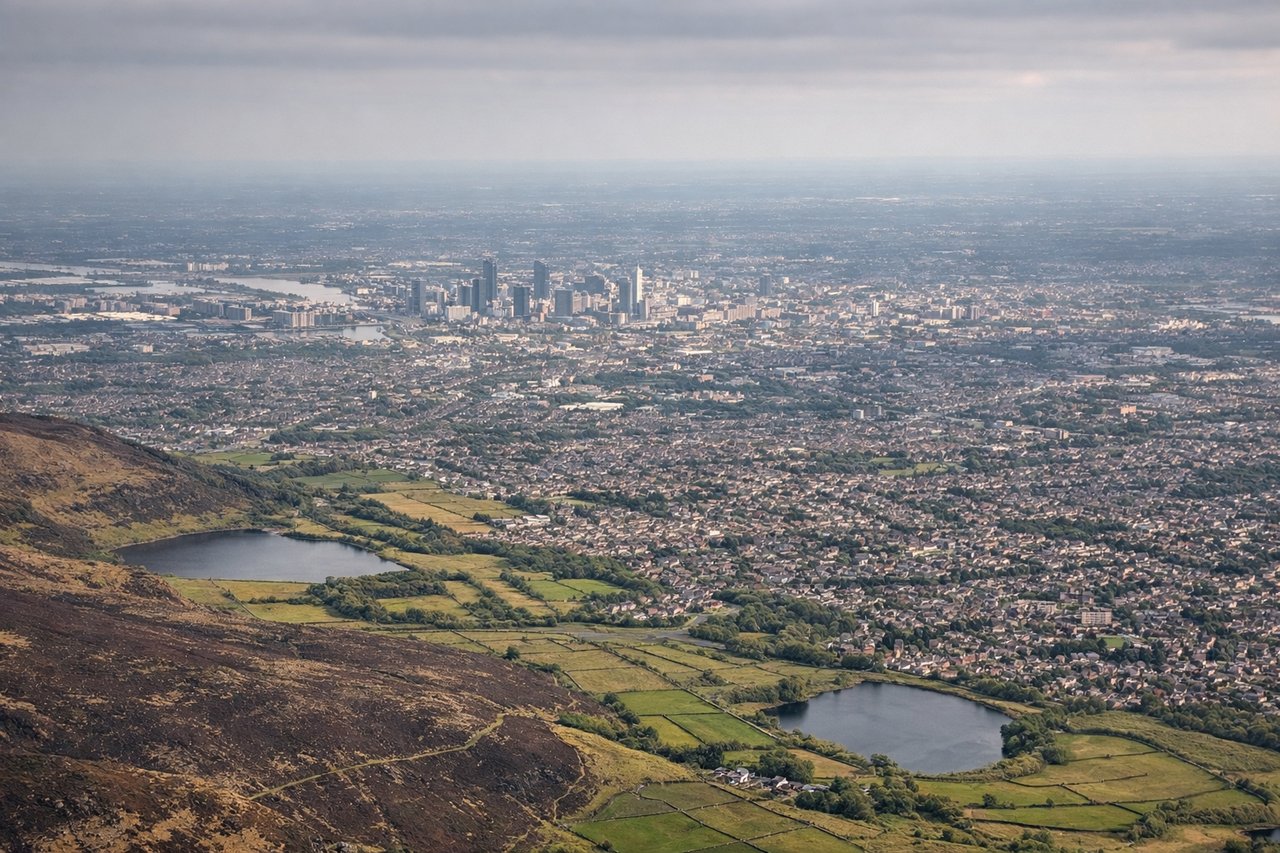
Landing at MAN
LEFTManchester typically lands on runways 05 or 23. Approach from the south/southeast means left-side seats face toward the Pennine foothills and Peak District as you descend. Right seats see toward Liverpool and the Irish Sea.
Landmarks on this routeAll landmarks →
Will your flight be in sunlight?
Pick a date and time in the Sun Map to watch the sun move across your whole flight.
About This Route
Which side of the plane should I sit on flying from Tille (BVA) to Manchester (MAN)?
Sit on the Right side of the plane for the best views on flights from Beauvais to Manchester. Right-side seats capture the more dramatic geography: the Seine valley and Normandy coast on departure, then the Irish Sea and coastal plains during cruise, and finally the Pennine Hills on approach. Left seats see more industrial/urban landscape throughout.
What can I see during takeoff from Tille in Beauvais?
During takeoff from Tille (BVA), sit on the Right side for the best views. Beauvais typically departs northwestward (runways 30/12). Right-side seats face toward the English Channel and Normandy coast as you climb, offering views of the Seine valley and coastal geography. Left seats see inland Picardy farmland. Notable sights include: Seine River valley (winding south of departure path), Normandy plateau escarpment, English Channel horizon (northern distance), scattered towns of Picardy region.
What can I see when landing at Manchester in Manchester?
When landing at Manchester (MAN), sit on the Left side for the best views. Manchester typically lands on runways 05 or 23. Approach from the south/southeast means left-side seats face toward the Pennine foothills and Peak District as you descend. Right seats see toward Liverpool and the Irish Sea. Notable sights include: Pennine Hills (eastern horizon), Manchester urban sprawl and city center, Mersey River valley, industrial towns of Greater Manchester (Stockport, Oldham visible as urban clusters).
How long is the flight from Beauvais to Manchester?
The flight from Tille (BVA) to Manchester (MAN) takes about 1 hour 15 minutes. The shortest flight path between them is 329 miles (529 km); winds and air traffic control usually add a few percent.
What does the Beauvais to Manchester flight path pass over?
English Channel crossing (roughly 30 minutes into flight), Kent and Sussex coastline, South Downs escarpment visible from altitude, then transition to Midlands industrial belt and Cheshire plains before Manchester approach. The Channel itself is the most dramatic midpoint feature—a wide water body separating the two countries, typically visible as a pale blue-gray band at cruise altitude.