While the right side wins at takeoff for Paris views, the left side dominates the majority of the flight — tracking southeast over the Alps (Mont Blanc massif visible on the left), the Adriatic coast, and delivering the spectacular Cretan mountain and harbor arrival. Switching to left after clearing Paris is the best overall strategy, or simply staying left if you prioritize the landing.
Flight Path
French Alps including Mont Blanc visible to the left around 45 minutes in, then the Po Valley flatlands of northern Italy, the Adriatic Sea crossing near the Italian heel, the Greek Ionian islands (Corfu, Lefkada, Kefalonia) visible below on the left side, then the Peloponnese peninsula, and finally the Cretan Sea before descent into Chania
Great circle distance and headings ›.jpg?width=600)

.jpg?width=600)

.jpg?width=600)


Phase by phase
Takeoff from CDG
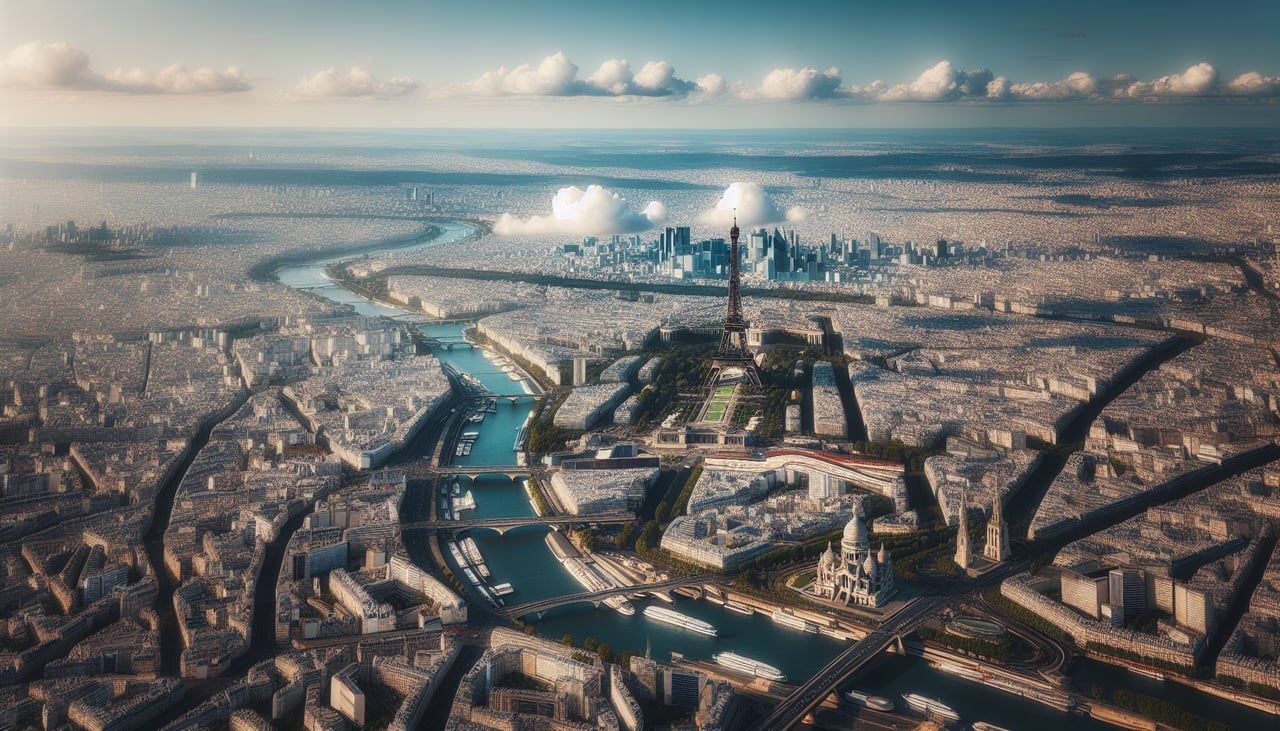
RIGHTCDG typically departs eastward on runways 09L/09R or southeastward on 08R/08L. A right-side seat gives you views over central Paris as the aircraft banks southeast — you can pick out the Seine's distinctive curves, the Eiffel Tower, and the dense Haussmann grid of the city center. The left side faces north toward flat suburban sprawl.
Landing at CHQ
LEFTCHQ's runway 29 approach (the most common westward landing) brings the aircraft in from the east over the Aegean, then over the Akrotiri peninsula. The left side faces south over the White Mountains (Lefka Ori) — a dramatic snow-capped range rising to 2,452m — and the city of Chania itself hugging the coast. The right side looks north over open sea.
Landmarks on this routeAll landmarks →
Will your flight be in sunlight?
See exactly which side of the plane gets sun and shade at your departure time.
About This Route
Which side of the plane should I sit on flying from Charles De Gaulle (CDG) to Souda (CHQ)?
Sit on the Left side of the plane for the best views on flights from Paris to Chania. While the right side wins at takeoff for Paris views, the left side dominates the majority of the flight — tracking southeast over the Alps (Mont Blanc massif visible on the left), the Adriatic coast, and delivering the spectacular Cretan mountain and harbor arrival. Switching to left after clearing Paris is the best overall strategy, or simply staying left if you prioritize the landing.
What can I see during takeoff from Charles De Gaulle in Paris?
During takeoff from Charles De Gaulle (CDG), sit on the Right side for the best views. CDG typically departs eastward on runways 09L/09R or southeastward on 08R/08L. A right-side seat gives you views over central Paris as the aircraft banks southeast — you can pick out the Seine's distinctive curves, the Eiffel Tower, and the dense Haussmann grid of the city center. The left side faces north toward flat suburban sprawl. Notable sights include: Seine river loops through Paris, Eiffel Tower and Champ de Mars, Bois de Vincennes forest to the southeast, Marne river valley.
What can I see when landing at Souda in Chania?
When landing at Souda (CHQ), sit on the Left side for the best views. CHQ's runway 29 approach (the most common westward landing) brings the aircraft in from the east over the Aegean, then over the Akrotiri peninsula. The left side faces south over the White Mountains (Lefka Ori) — a dramatic snow-capped range rising to 2,452m — and the city of Chania itself hugging the coast. The right side looks north over open sea. Notable sights include: Lefka Ori (White Mountains) range, Chania old town and Venetian harbor, Souda Bay naval anchorage, Akrotiri peninsula.
How long is the flight from Paris to Chania?
The flight from Charles De Gaulle (CDG) to Souda (CHQ) takes Approximately 3 hours 15 minutes to 3 hours 30 minutes.
What does the Paris to Chania flight path pass over?
French Alps including Mont Blanc visible to the left around 45 minutes in, then the Po Valley flatlands of northern Italy, the Adriatic Sea crossing near the Italian heel, the Greek Ionian islands (Corfu, Lefkada, Kefalonia) visible below on the left side, then the Peloponnese peninsula, and finally the Cretan Sea before descent into Chania