Left side wins at both ends of the flight. Over Paris on departure and over Washington DC on approach, the left seat delivers the most iconic urban geography. Mid-flight over the North Atlantic there is little to differentiate sides, but the bookend city views make left the clear overall choice.
Flight Path
The route tracks northwest from Paris across the English Channel near the Normandy coast, then over southern England before heading out over the North Atlantic. The flight passes south of Iceland and Greenland's southern tip, then crosses Newfoundland and Nova Scotia, tracking down the US East Coast over New England and the Mid-Atlantic states before descending into Washington.
Great circle distance and headings ›.jpg?width=600)
.jpg?width=600)
.jpeg?width=600)
Phase by phase
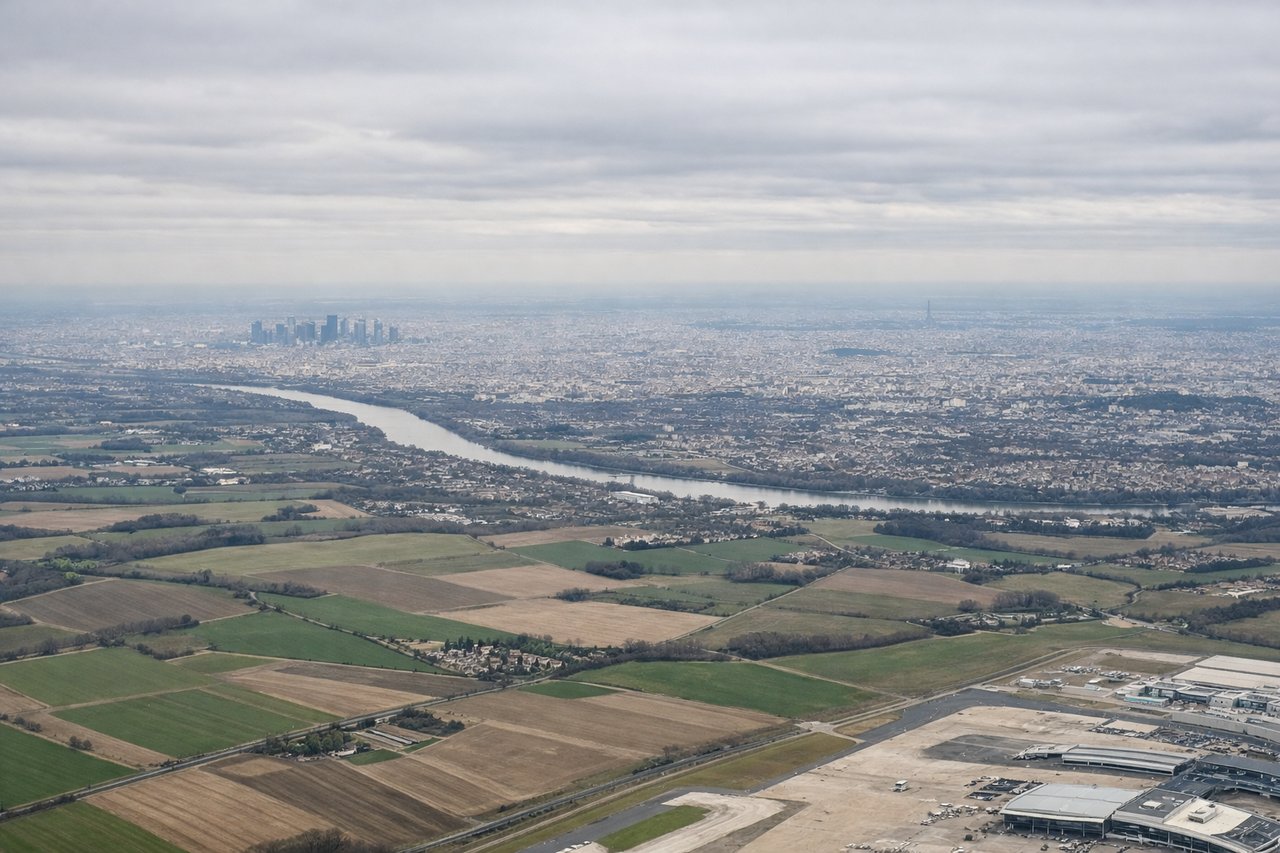
Takeoff from CDG
LEFTCDG typically departs westbound on runways 08L/08R or 09L/09R, meaning a left-side seat faces south over Paris. You get a clear view of the city center including the Seine river bends, the Eiffel Tower area, and the dense Haussmann grid of central Paris as you climb out heading west.
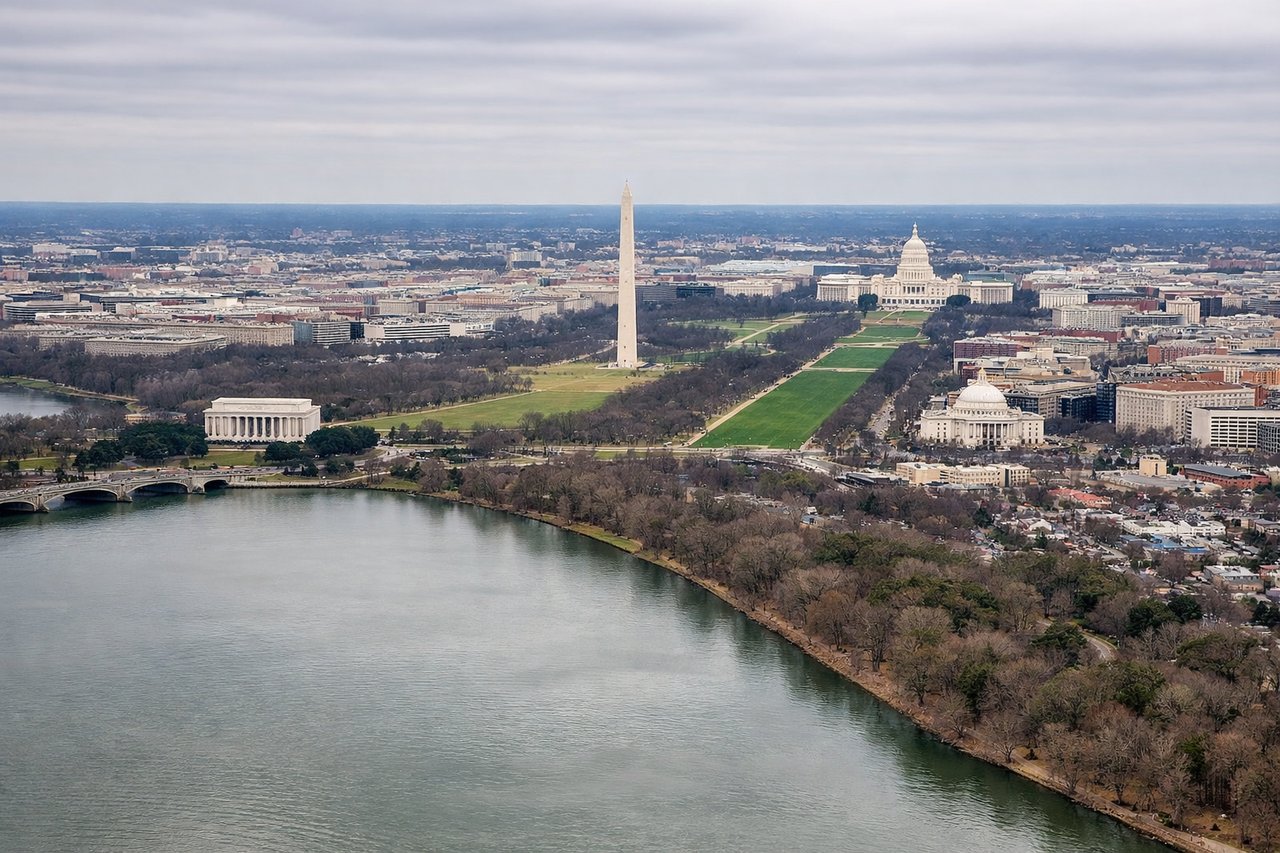
Landing at DCA
LEFTDCA's primary approach is from the north on runway 19, flying southbound along the Potomac River. Left-side seats face east and get a direct view of the Washington DC monuments, the Mall, Capitol Hill, and the Potomac waterfront as the aircraft descends low over the river.
Landmarks on this routeAll landmarks →
Will your flight be in sunlight?
See exactly which side of the plane gets sun and shade at your departure time.
About This Route
Which side of the plane should I sit on flying from Charles De Gaulle (CDG) to Ronald Reagan Washington National (DCA)?
Sit on the Left side of the plane for the best views on flights from Paris to Washington. Left side wins at both ends of the flight. Over Paris on departure and over Washington DC on approach, the left seat delivers the most iconic urban geography. Mid-flight over the North Atlantic there is little to differentiate sides, but the bookend city views make left the clear overall choice.
What can I see during takeoff from Charles De Gaulle in Paris?
During takeoff from Charles De Gaulle (CDG), sit on the Left side for the best views. CDG typically departs westbound on runways 08L/08R or 09L/09R, meaning a left-side seat faces south over Paris. You get a clear view of the city center including the Seine river bends, the Eiffel Tower area, and the dense Haussmann grid of central Paris as you climb out heading west. Notable sights include: Seine river bends through central Paris, Eiffel Tower and Champ de Mars, La Défense business district towers, Bois de Boulogne.
What can I see when landing at Ronald Reagan Washington National in Washington?
When landing at Ronald Reagan Washington National (DCA), sit on the Left side for the best views. DCA's primary approach is from the north on runway 19, flying southbound along the Potomac River. Left-side seats face east and get a direct view of the Washington DC monuments, the Mall, Capitol Hill, and the Potomac waterfront as the aircraft descends low over the river. Notable sights include: Potomac River and its bridges, National Mall and Washington Monument, Capitol Building, Pentagon.
How long is the flight from Paris to Washington?
The flight from Charles De Gaulle (CDG) to Ronald Reagan Washington National (DCA) takes Approximately 8 to 8.5 hours.
What does the Paris to Washington flight path pass over?
The route tracks northwest from Paris across the English Channel near the Normandy coast, then over southern England before heading out over the North Atlantic. The flight passes south of Iceland and Greenland's southern tip, then crosses Newfoundland and Nova Scotia, tracking down the US East Coast over New England and the Mid-Atlantic states before descending into Washington.