The right side captures the Paris departure views which are the most dramatic part of this short flight. Once cruising, the Alps are visible from both sides, but the right side also picks up the western Alpine arc including Mont Blanc area during the cruise phase as the route tracks southeast. The landing view on the left is good but the Po Valley is less visually dramatic than the Paris departure.
Flight Path
The route tracks southeast from Paris across Burgundy's rolling agricultural plateau, then crosses the Jura mountains (a modest forested ridge visible below), before the western Alps come into view — including the Mont Blanc massif to the right and the main Alpine chain ahead. The descent crosses the flat Po Valley, one of Europe's most distinctively geometric agricultural landscapes.
Great circle distance and headings ›.jpg?width=600)
_Panoramica_del_centro_della_citt%C3%A0_dal_lago.jpg?width=600)

.jpg?width=600)

.jpg?width=600)
Phase by phase
Takeoff from CDG
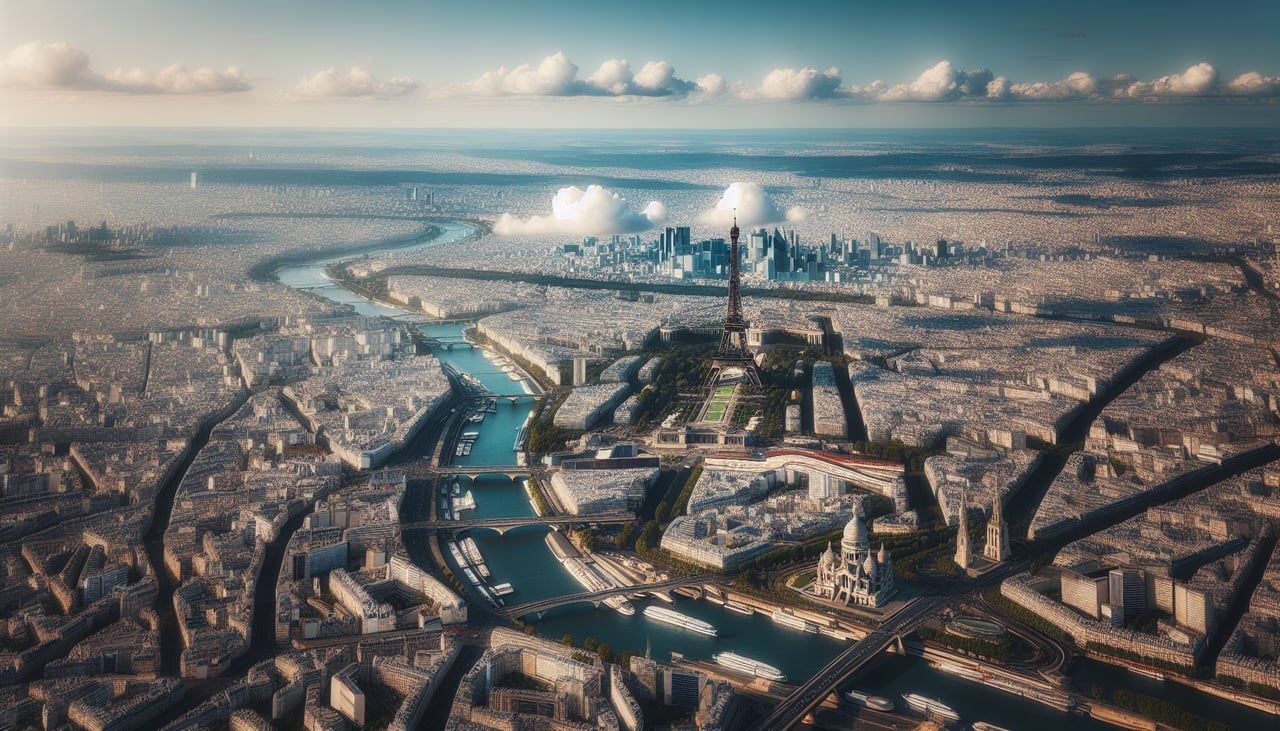
RIGHTCDG typically departs eastward on runways 09L/09R or southeastward on 08R/08L, putting the right side facing south toward Paris. You get a clear view of the city sprawl and the Seine river bends as the aircraft climbs out heading toward the Alps.
Landing at LIN
LEFTLinate sits just east of Milan and typically lands westward on runway 36R/18L or approaches from the east on heading 270. On a standard easterly approach, the left side faces north toward the Alps and the Po Valley, giving you the clearest view of the snow-capped Alpine arc and the flat agricultural Po Plain stretching below.
Landmarks on this routeAll landmarks →
Will your flight be in sunlight?
See exactly which side of the plane gets sun and shade at your departure time.
About This Route
Which side of the plane should I sit on flying from Charles De Gaulle (CDG) to Linate (LIN)?
Sit on the Right side of the plane for the best views on flights from Paris to Milan. The right side captures the Paris departure views which are the most dramatic part of this short flight. Once cruising, the Alps are visible from both sides, but the right side also picks up the western Alpine arc including Mont Blanc area during the cruise phase as the route tracks southeast. The landing view on the left is good but the Po Valley is less visually dramatic than the Paris departure.
What can I see during takeoff from Charles De Gaulle in Paris?
During takeoff from Charles De Gaulle (CDG), sit on the Right side for the best views. CDG typically departs eastward on runways 09L/09R or southeastward on 08R/08L, putting the right side facing south toward Paris. You get a clear view of the city sprawl and the Seine river bends as the aircraft climbs out heading toward the Alps. Notable sights include: Paris city center and Seine river meanders, Eiffel Tower area (visible as a small spire in the urban grid), Marne river valley, Marne-la-Vallée suburbs.
What can I see when landing at Linate in Milan?
When landing at Linate (LIN), sit on the Left side for the best views. Linate sits just east of Milan and typically lands westward on runway 36R/18L or approaches from the east on heading 270. On a standard easterly approach, the left side faces north toward the Alps and the Po Valley, giving you the clearest view of the snow-capped Alpine arc and the flat agricultural Po Plain stretching below. Notable sights include: Po Valley agricultural grid, Lake Como (north, partially visible on clear days), Alpine foothills north of Milan, Milan urban sprawl.
How long is the flight from Paris to Milan?
The flight from Charles De Gaulle (CDG) to Linate (LIN) takes Approximately 1 hour 30 minutes.
What does the Paris to Milan flight path pass over?
The route tracks southeast from Paris across Burgundy's rolling agricultural plateau, then crosses the Jura mountains (a modest forested ridge visible below), before the western Alps come into view — including the Mont Blanc massif to the right and the main Alpine chain ahead. The descent crosses the flat Po Valley, one of Europe's most distinctively geometric agricultural landscapes.