Right side scores higher due to the exceptional landing sequence through the Columbia River Gorge and Mount Hood views, which are dramatic and iconic. While left side offers a pleasant Paris departure over the Seine and Île-de-France, the cruise phase over the Atlantic (5+ hours) is featureless ocean, capping that side's potential. Right side's approach scenery—Cascade volcanics, gorge geology, and Mount Hood—provides concentrated visual drama that outweighs left's takeoff advantage.
Flown CDG to PDX? Did we get it right?
Flight Path
Paris to Portland is 5,116 miles (8,233 km), a flight of about 9 hours 15 minutes.
North Atlantic Ocean (featureless open water for 5-6 hours), Newfoundland and Labrador coast (eastern Canada), Hudson Bay region, Canadian Shield forests, Great Lakes region (depending on routing), Rocky Mountains (Alberta/British Columbia), Columbia River Gorge approach zone
Great circle distance and headings ›


Phase by phase
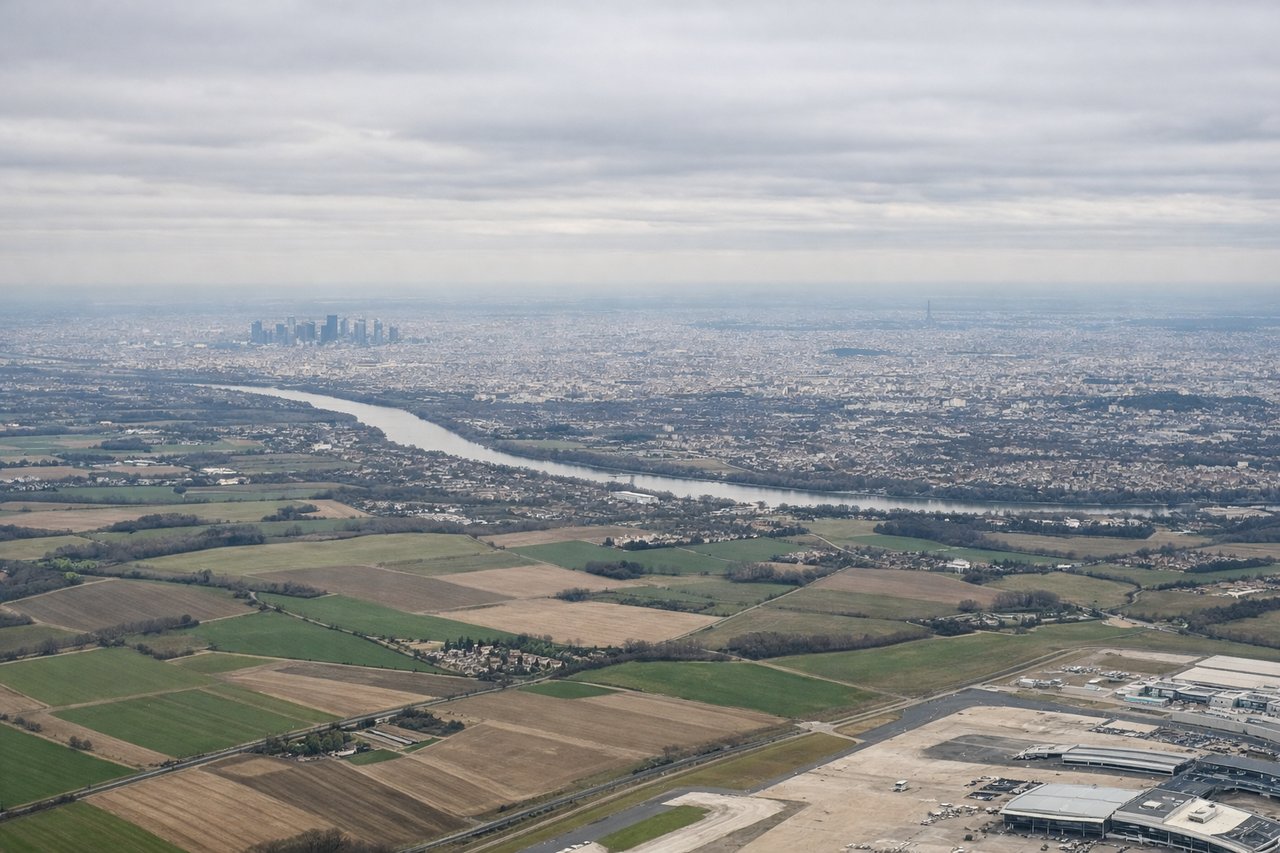
Takeoff from CDG
LEFTLeft side captures Paris cityscape and Seine valley during westbound departure. CDG typically departs runway 26 (westbound) with initial turns over the Île-de-France region, offering views of Paris proper, the Seine's meanders, and suburban sprawl before climbing over Normandy.
Landing at PDX
RIGHTRight side (north) provides superior approach scenery into PDX. Typical westbound arrivals descend over the Columbia River Gorge from the east, and right-side passengers see the dramatic gorge walls, the Cascade Range peaks (Mount Hood dominates), and the Columbia River's serpentine path before turning final into PDX from the west.
Will your flight be in sunlight?
Pick a date and time in the Sun Map to watch the sun move across your whole flight.
About This Route
Which side of the plane should I sit on flying from Charles De Gaulle (CDG) to Portland International (PDX)?
Sit on the Right side of the plane for the best views on flights from Paris to Portland. Right side scores higher due to the exceptional landing sequence through the Columbia River Gorge and Mount Hood views, which are dramatic and iconic. While left side offers a pleasant Paris departure over the Seine and Île-de-France, the cruise phase over the Atlantic (5+ hours) is featureless ocean, capping that side's potential. Right side's approach scenery—Cascade volcanics, gorge geology, and Mount Hood—provides concentrated visual drama that outweighs left's takeoff advantage.
What can I see during takeoff from Charles De Gaulle in Paris?
During takeoff from Charles De Gaulle (CDG), sit on the Left side for the best views. Left side captures Paris cityscape and Seine valley during westbound departure. CDG typically departs runway 26 (westbound) with initial turns over the Île-de-France region, offering views of Paris proper, the Seine's meanders, and suburban sprawl before climbing over Normandy. Notable sights include: Paris city center and Eiffel Tower district, Seine River valley, Versailles region, Normandy farmland and forests.
What can I see when landing at Portland International in Portland?
When landing at Portland International (PDX), sit on the Right side for the best views. Right side (north) provides superior approach scenery into PDX. Typical westbound arrivals descend over the Columbia River Gorge from the east, and right-side passengers see the dramatic gorge walls, the Cascade Range peaks (Mount Hood dominates), and the Columbia River's serpentine path before turning final into PDX from the west. Notable sights include: Mount Hood (11,240 ft, visible 80+ miles away), Columbia River Gorge with basalt cliffs, Cascade Range foothills, Portland metro area and Willamette River.
How long is the flight from Paris to Portland?
The flight from Charles De Gaulle (CDG) to Portland International (PDX) takes about 9 hours 15 minutes. The shortest flight path between them is 5,116 miles (8,233 km); winds and air traffic control usually add a few percent.
What does the Paris to Portland flight path pass over?
North Atlantic Ocean (featureless open water for 5-6 hours), Newfoundland and Labrador coast (eastern Canada), Hudson Bay region, Canadian Shield forests, Great Lakes region (depending on routing), Rocky Mountains (Alberta/British Columbia), Columbia River Gorge approach zone