The right side offers brief but genuine landmark moments—Paris's northern suburbs on departure, glimpses of southern Ireland's coastline during the Atlantic crossing, and the Delaware River and Philadelphia skyline on arrival—while the left side is dominated by featureless ocean and flat farmland for most of the flight.
Flight Path
Southern coast of Ireland near Cork, open North Atlantic, Avalon Peninsula of Newfoundland, and the Nova Scotia coastline are passed near the flight's midpoint on typical great-circle routing.
Great circle distance and headings ›.jpg?width=600)
.jpg?width=600)
Phase by phase
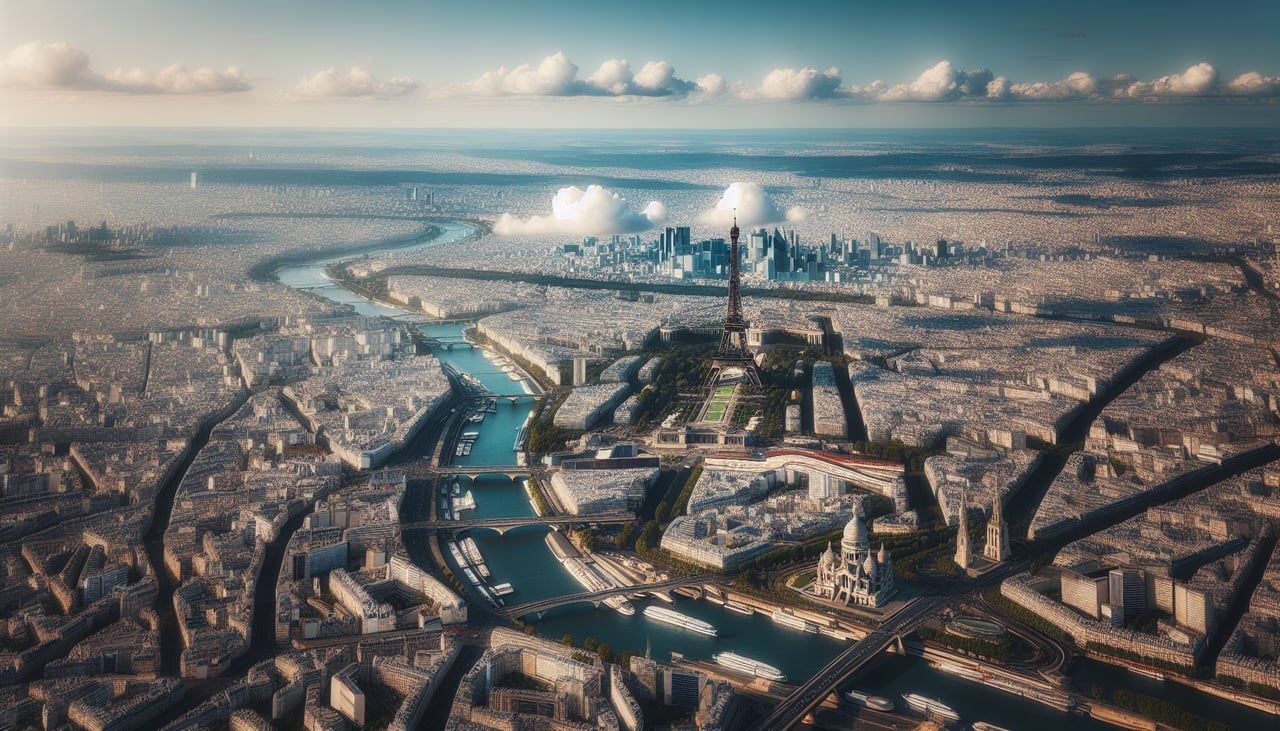
Takeoff from CDG
RIGHTDeparting CDG westbound, the aircraft typically banks north of Paris before settling on its transatlantic heading, putting the Seine valley and northern Paris suburbs briefly on the right. The left side mostly shows flat Île-de-France farmland with little definition.

Landing at PHL
RIGHTArrivals into PHL from the east typically land on runway 27, approaching over South Jersey and the Delaware River before the final turn. The Philadelphia skyline and river bends are visible to the right, while the left side shows mostly suburban New Jersey with no major landmarks.
Landmarks on this routeAll landmarks →
Will your flight be in sunlight?
See exactly which side of the plane gets sun and shade at your departure time.
About This Route
Which side of the plane should I sit on flying from Charles De Gaulle (CDG) to Philadelphia International (PHL)?
Sit on the Right side of the plane for the best views on flights from Paris to Philadelphia. The right side offers brief but genuine landmark moments—Paris's northern suburbs on departure, glimpses of southern Ireland's coastline during the Atlantic crossing, and the Delaware River and Philadelphia skyline on arrival—while the left side is dominated by featureless ocean and flat farmland for most of the flight.
What can I see during takeoff from Charles De Gaulle in Paris?
During takeoff from Charles De Gaulle (CDG), sit on the Right side for the best views. Departing CDG westbound, the aircraft typically banks north of Paris before settling on its transatlantic heading, putting the Seine valley and northern Paris suburbs briefly on the right. The left side mostly shows flat Île-de-France farmland with little definition. Notable sights include: Seine river bends, northern Paris suburbs, Charles de Gaulle airport complex, Oise valley farmland.
What can I see when landing at Philadelphia International in Philadelphia?
When landing at Philadelphia International (PHL), sit on the Right side for the best views. Arrivals into PHL from the east typically land on runway 27, approaching over South Jersey and the Delaware River before the final turn. The Philadelphia skyline and river bends are visible to the right, while the left side shows mostly suburban New Jersey with no major landmarks. Notable sights include: Delaware River, Philadelphia skyline, Camden waterfront, South Jersey suburbs.
How long is the flight from Paris to Philadelphia?
The flight from Charles De Gaulle (CDG) to Philadelphia International (PHL) takes 8h50m.
What does the Paris to Philadelphia flight path pass over?
Southern coast of Ireland near Cork, open North Atlantic, Avalon Peninsula of Newfoundland, and the Nova Scotia coastline are passed near the flight's midpoint on typical great-circle routing.