While takeoff from Paris favors the left, the landing approach into Shanghai from the right side offers more dramatic and distinctive urban scenery. The Huangpu River and Pudong skyline provide a more visually compelling finale than the departure views, making right-side seats the better overall choice for this route.
Flight Path
The flight path crosses the Ural Mountains (visible as a low, weathered range around 3-4 hours into flight), then traverses the steppes of Kazakhstan and western Siberia. The Caspian Sea appears as a large inland body of water. Further east, the Altai Mountains and Sayan Mountains mark the Mongolia-Russia border region. The flight then crosses the Gobi Desert and approaches China via Inner Mongolia, with the Great Wall visible in sections during descent into eastern China. The Yellow River and its valley become visible in the final hours before reaching Shanghai.
Great circle distance and headings ›.jpg?width=600)
.jpg?width=600)

Phase by phase
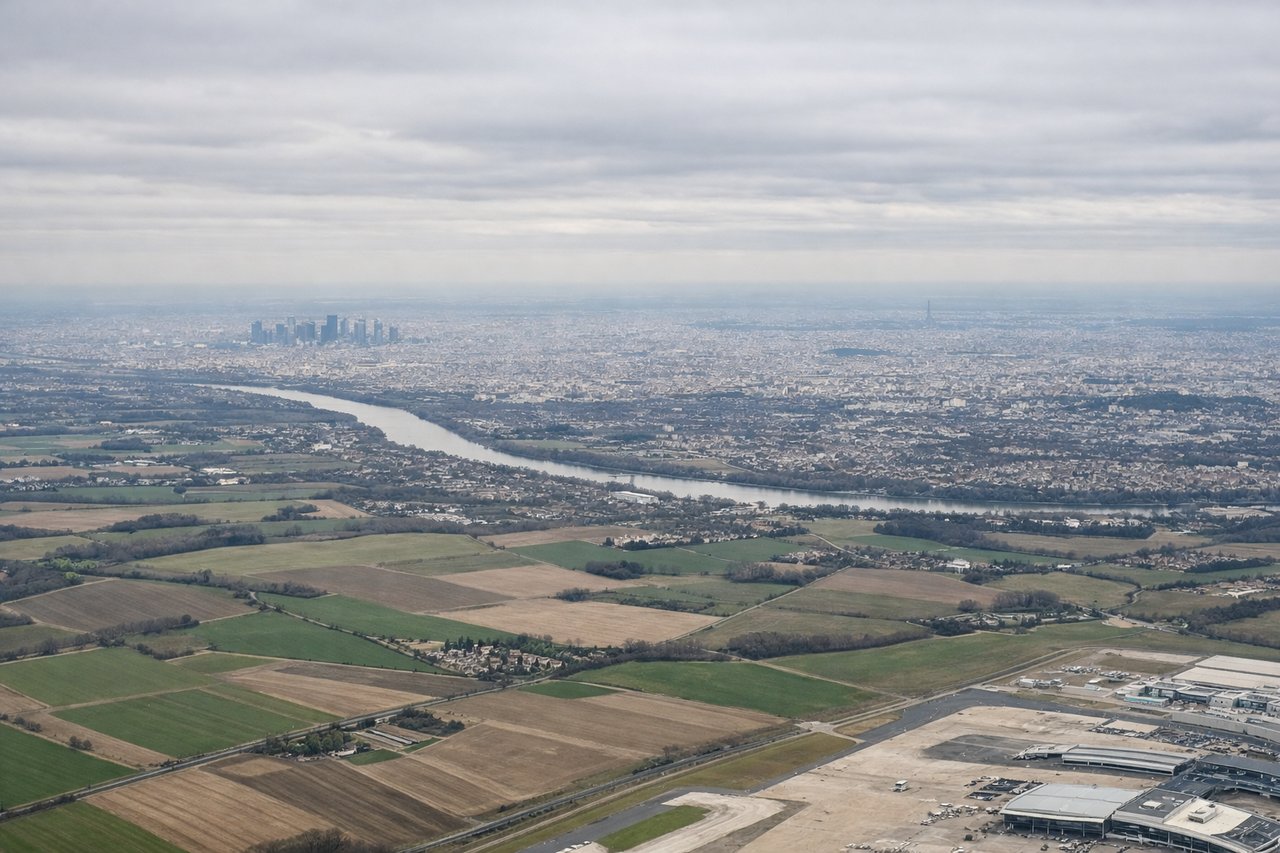
Takeoff from CDG
LEFTLeft-side seats offer views of the Seine River winding through Paris and the city's urban sprawl extending northeast. You'll see the distinctive geometry of Parisian districts and suburban development fading into the Île-de-France agricultural plains as you climb.
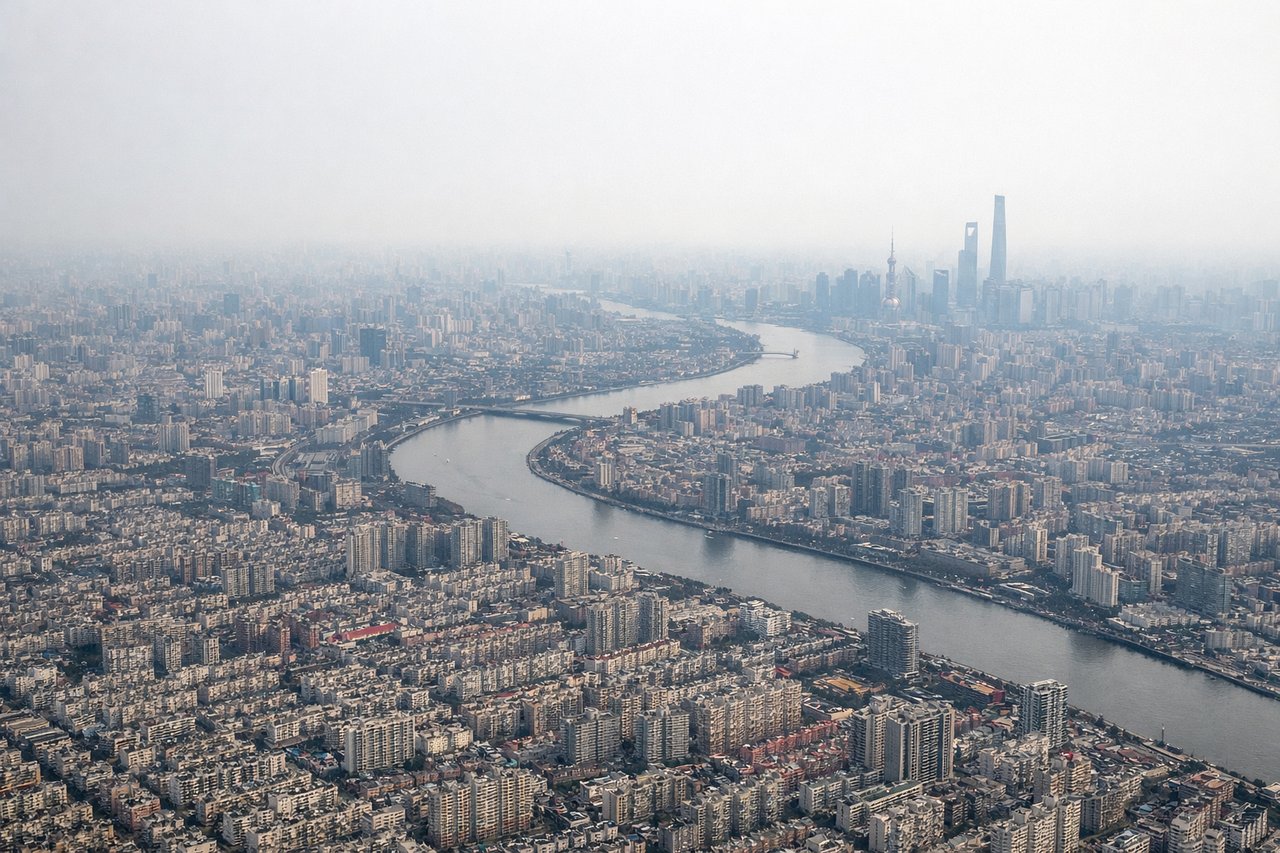
Landing at SHA
RIGHTRight-side seats provide excellent views of Shanghai's Huangpu River and the Pudong skyline during descent. The river's distinctive curves and the contrast between Pudong's high-rise district and Puxi's lower urban fabric create a dramatic urban landscape. Hongqiao Airport sits west of the city, so right-side descent offers the best approach views.
Landmarks on this routeAll landmarks →
Will your flight be in sunlight?
See exactly which side of the plane gets sun and shade at your departure time.
About This Route
Which side of the plane should I sit on flying from Charles De Gaulle (CDG) to Hongqiao International (SHA)?
Sit on the Right side of the plane for the best views on flights from Paris to Shanghai. While takeoff from Paris favors the left, the landing approach into Shanghai from the right side offers more dramatic and distinctive urban scenery. The Huangpu River and Pudong skyline provide a more visually compelling finale than the departure views, making right-side seats the better overall choice for this route.
What can I see during takeoff from Charles De Gaulle in Paris?
During takeoff from Charles De Gaulle (CDG), sit on the Left side for the best views. Left-side seats offer views of the Seine River winding through Paris and the city's urban sprawl extending northeast. You'll see the distinctive geometry of Parisian districts and suburban development fading into the Île-de-France agricultural plains as you climb. Notable sights include: Seine River (visible as a silvery thread through central Paris), Parisian urban grid and landmarks, Île-de-France plains, forests of Fontainebleau region to the southeast.
What can I see when landing at Hongqiao International in Shanghai?
When landing at Hongqiao International (SHA), sit on the Right side for the best views. Right-side seats provide excellent views of Shanghai's Huangpu River and the Pudong skyline during descent. The river's distinctive curves and the contrast between Pudong's high-rise district and Puxi's lower urban fabric create a dramatic urban landscape. Hongqiao Airport sits west of the city, so right-side descent offers the best approach views. Notable sights include: Huangpu River (major bend visible), Pudong financial district skyline, Puxi district urban sprawl, Yangtze River estuary to the north.
How long is the flight from Paris to Shanghai?
The flight from Charles De Gaulle (CDG) to Hongqiao International (SHA) takes 11h 15m.
What does the Paris to Shanghai flight path pass over?
The flight path crosses the Ural Mountains (visible as a low, weathered range around 3-4 hours into flight), then traverses the steppes of Kazakhstan and western Siberia. The Caspian Sea appears as a large inland body of water. Further east, the Altai Mountains and Sayan Mountains mark the Mongolia-Russia border region. The flight then crosses the Gobi Desert and approaches China via Inner Mongolia, with the Great Wall visible in sections during descent into eastern China. The Yellow River and its valley become visible in the final hours before reaching Shanghai.