Most of this flight is spent over open ocean, but the great-circle path bows far enough north that the right side gets a rare look at the icy, mountainous southern coast of Greenland and possibly Iceland's southern shoreline, a dramatic contrast to the largely featureless ocean seen from the left during cruise.
Flight Path
North Atlantic Ocean, southern tip of Greenland (Cape Farewell region), Labrador Sea, Labrador coast near the Quebec border
Great circle distance and headings ›

.jpg?width=600)

.jpg?width=600)


.jpg?width=600)

Phase by phase
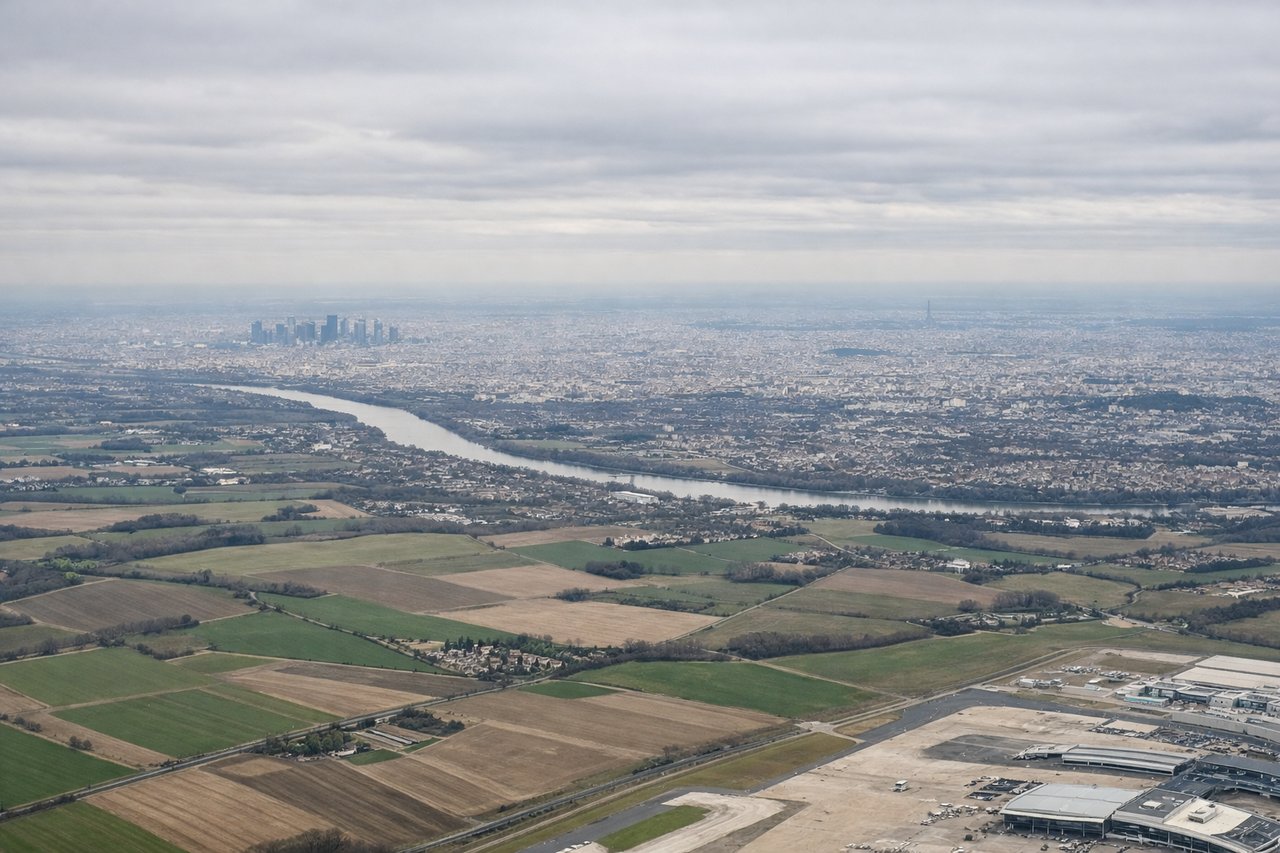
Takeoff from CDG
LEFTCDG's westerly departure runways send the aircraft out over the Paris suburbs, and the standard right turn toward the North Atlantic swings the city back into view on the left side for a few minutes. Passengers get a clear look at central Paris before the route settles onto its northwesterly heading.
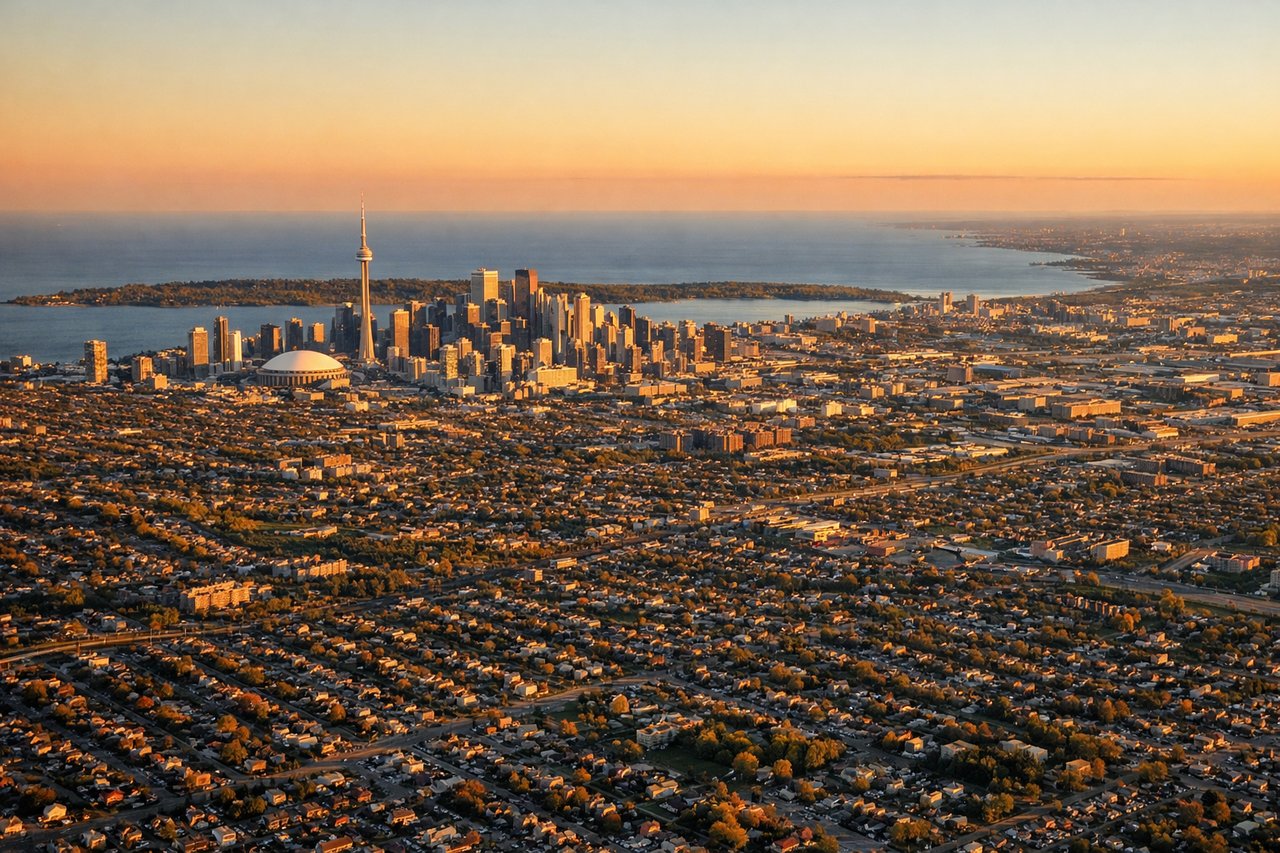
Landing at YYZ
LEFTArriving from the northeast, flights into Pearson commonly line up on the southwest-facing runways when southwest winds prevail, and the final approach turn brings Lake Ontario and the Toronto skyline into view on the left before the descent over farmland north of the city.
Landmarks on this routeAll landmarks →
Will your flight be in sunlight?
See exactly which side of the plane gets sun and shade at your departure time.
About This Route
Which side of the plane should I sit on flying from Charles De Gaulle (CDG) to Lester B Pearson International (YYZ)?
Sit on the Right side of the plane for the best views on flights from Paris to Toronto. Most of this flight is spent over open ocean, but the great-circle path bows far enough north that the right side gets a rare look at the icy, mountainous southern coast of Greenland and possibly Iceland's southern shoreline, a dramatic contrast to the largely featureless ocean seen from the left during cruise.
What can I see during takeoff from Charles De Gaulle in Paris?
During takeoff from Charles De Gaulle (CDG), sit on the Left side for the best views. CDG's westerly departure runways send the aircraft out over the Paris suburbs, and the standard right turn toward the North Atlantic swings the city back into view on the left side for a few minutes. Passengers get a clear look at central Paris before the route settles onto its northwesterly heading. Notable sights include: Eiffel Tower, La Défense skyscraper district, Seine River, Paris rooftops.
What can I see when landing at Lester B Pearson International in Toronto?
When landing at Lester B Pearson International (YYZ), sit on the Left side for the best views. Arriving from the northeast, flights into Pearson commonly line up on the southwest-facing runways when southwest winds prevail, and the final approach turn brings Lake Ontario and the Toronto skyline into view on the left before the descent over farmland north of the city. Notable sights include: CN Tower, downtown Toronto skyline, Lake Ontario shoreline, Toronto Islands.
How long is the flight from Paris to Toronto?
The flight from Charles De Gaulle (CDG) to Lester B Pearson International (YYZ) takes 8h 40m.
What does the Paris to Toronto flight path pass over?
North Atlantic Ocean, southern tip of Greenland (Cape Farewell region), Labrador Sea, Labrador coast near the Quebec border