While the Copenhagen departure offers a nice city view, the Incheon arrival delivers a more dramatic and varied sequence—coastal islands, tidal flats, and the Seoul skyline—making the right side slightly more rewarding across the full flight, especially since the long cruise over Siberia offers similar flat, low-contrast scenery on both sides.
Flight Path
Baltic Sea and Gulf of Finland, the Ural Mountains, vast Siberian taiga and river systems (Ob, Yenisei), the Mongolian steppe near the Gobi Desert's edge
Great circle distance and headings ›

Phase by phase
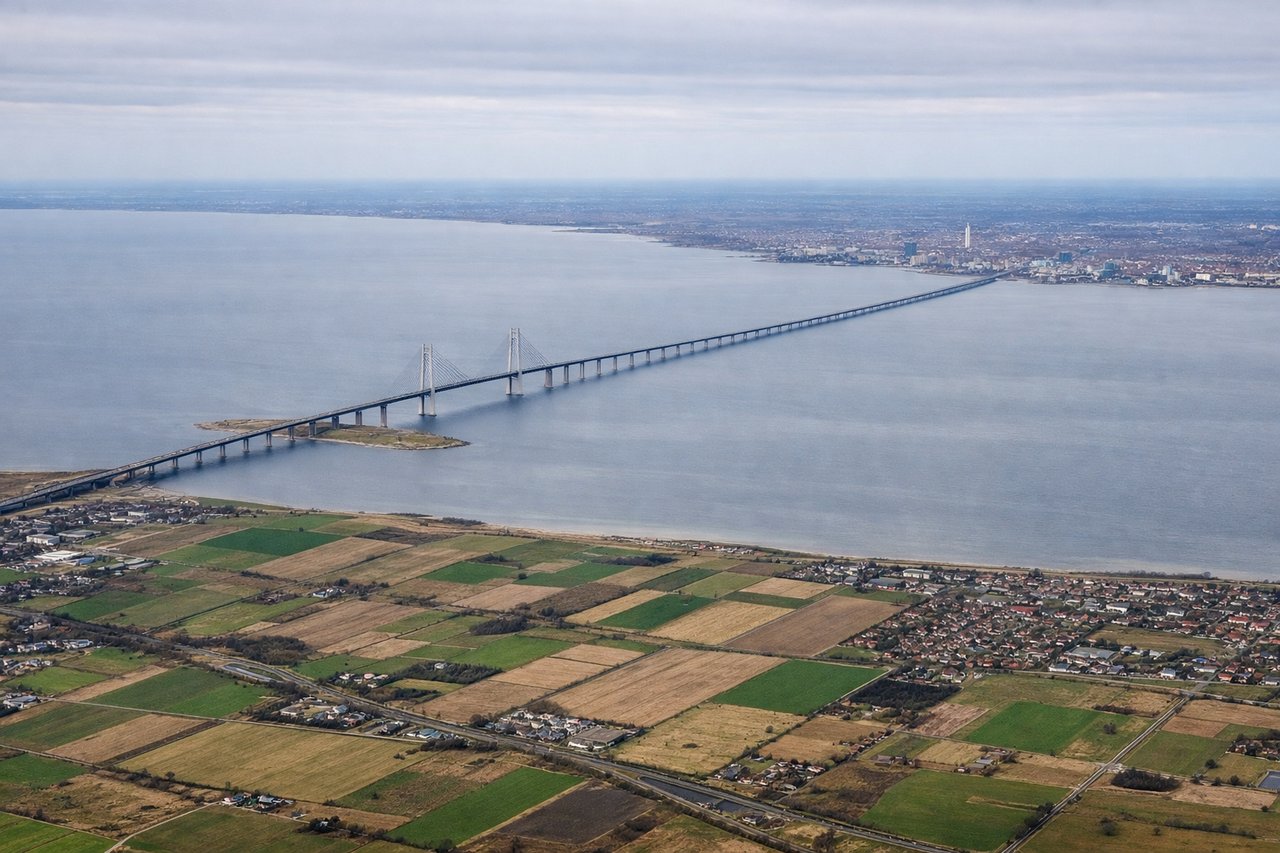
Takeoff from CPH
LEFTDeparting CPH on the northeast-aligned runway, the climb-out passes just north of central Copenhagen, giving left-side passengers a clear view of the city's spires, harbor, and Amager Island coastline before the Baltic opens up. The right side mostly faces the open Øresund strait toward the Swedish coast, which is scenic but less distinctive.
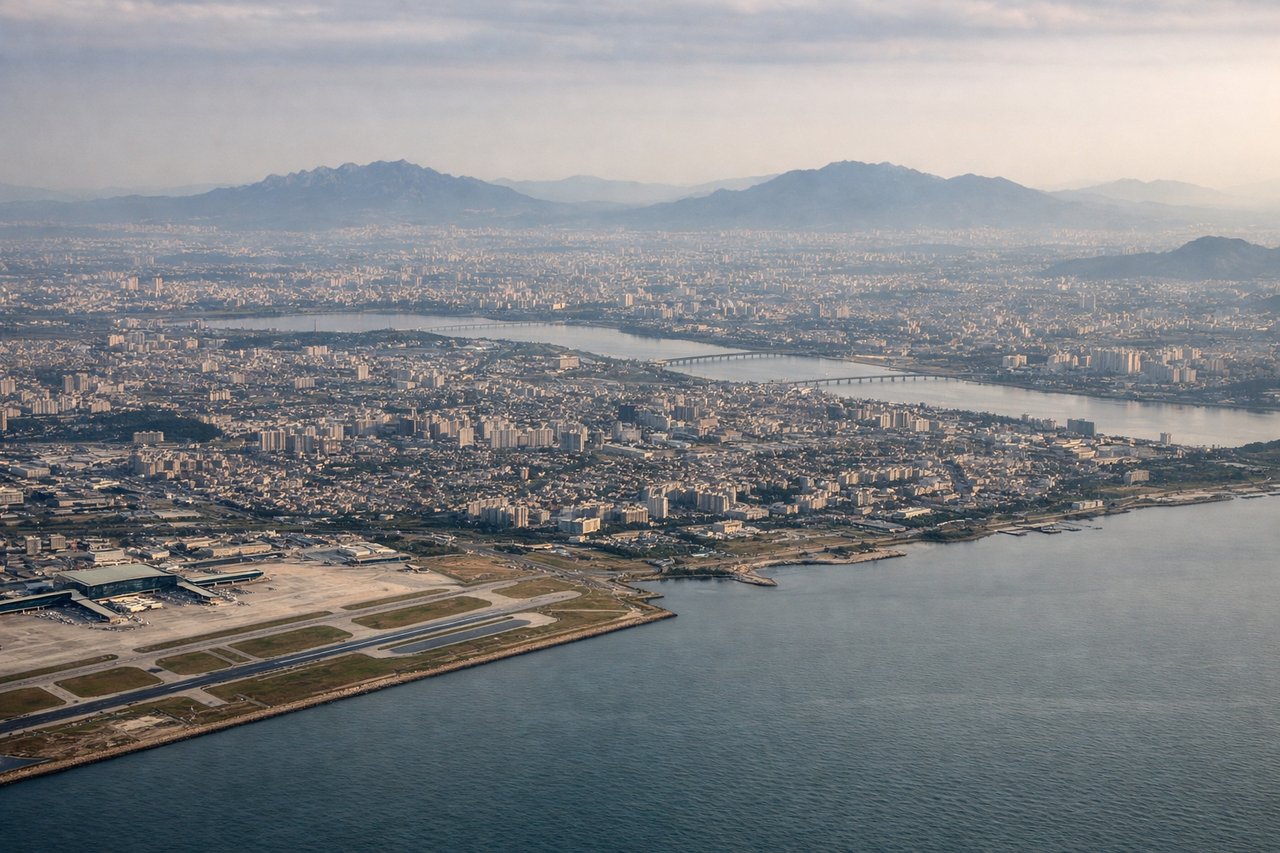
Landing at ICN
RIGHTOn approach to ICN from the southeast, the aircraft crosses the Yellow Sea and threads between coastal islands before turning northwest onto the runway, putting Seoul's skyline and the Han River estuary on the right side of the aircraft. The left side mainly faces open sea with fewer reference points.
Landmarks on this routeAll landmarks →
Will your flight be in sunlight?
See exactly which side of the plane gets sun and shade at your departure time.
About This Route
Which side of the plane should I sit on flying from Kastrup (CPH) to Incheon International (ICN)?
Sit on the Right side of the plane for the best views on flights from Copenhagen to Seoul. While the Copenhagen departure offers a nice city view, the Incheon arrival delivers a more dramatic and varied sequence—coastal islands, tidal flats, and the Seoul skyline—making the right side slightly more rewarding across the full flight, especially since the long cruise over Siberia offers similar flat, low-contrast scenery on both sides.
What can I see during takeoff from Kastrup in Copenhagen?
During takeoff from Kastrup (CPH), sit on the Left side for the best views. Departing CPH on the northeast-aligned runway, the climb-out passes just north of central Copenhagen, giving left-side passengers a clear view of the city's spires, harbor, and Amager Island coastline before the Baltic opens up. The right side mostly faces the open Øresund strait toward the Swedish coast, which is scenic but less distinctive. Notable sights include: Copenhagen city skyline and harbor, Amager Island coastline, Øresund Strait, Zealand's green countryside.
What can I see when landing at Incheon International in Seoul?
When landing at Incheon International (ICN), sit on the Right side for the best views. On approach to ICN from the southeast, the aircraft crosses the Yellow Sea and threads between coastal islands before turning northwest onto the runway, putting Seoul's skyline and the Han River estuary on the right side of the aircraft. The left side mainly faces open sea with fewer reference points. Notable sights include: Seoul skyline and Han River estuary, Yellow Sea coastline, Yeongjong and Ganghwa Islands, Incheon tidal flats.
How long is the flight from Copenhagen to Seoul?
The flight from Kastrup (CPH) to Incheon International (ICN) takes 9h 40m.
What does the Copenhagen to Seoul flight path pass over?
Baltic Sea and Gulf of Finland, the Ural Mountains, vast Siberian taiga and river systems (Ob, Yenisei), the Mongolian steppe near the Gobi Desert's edge