While the takeoff offers good views of Scandinavian geography, the landing approach into Mexico City provides more dramatic and visually distinctive scenery—the vast metropolitan basin and distant volcanic peaks create a more memorable window experience than the relatively flat Danish-Swedish departure.
Flown CPH to MEX? Did we get it right?
Flight Path
Copenhagen to Mexico City is 5,911 miles (9,513 km), a flight of about 10 hours 45 minutes.
The flight path crosses the North Atlantic, passing over the British Isles and Irish coast on departure, then over Greenland's southern tip and the Davis Strait. The mid-Atlantic crossing offers open ocean views. Approaching North America, the flight passes over Newfoundland and the Canadian Maritime provinces before crossing into the continental US. The descent into Mexico City provides views of the central Mexican plateau and the Trans-Mexican Volcanic Belt.
Great circle distance and headings ›


Phase by phase
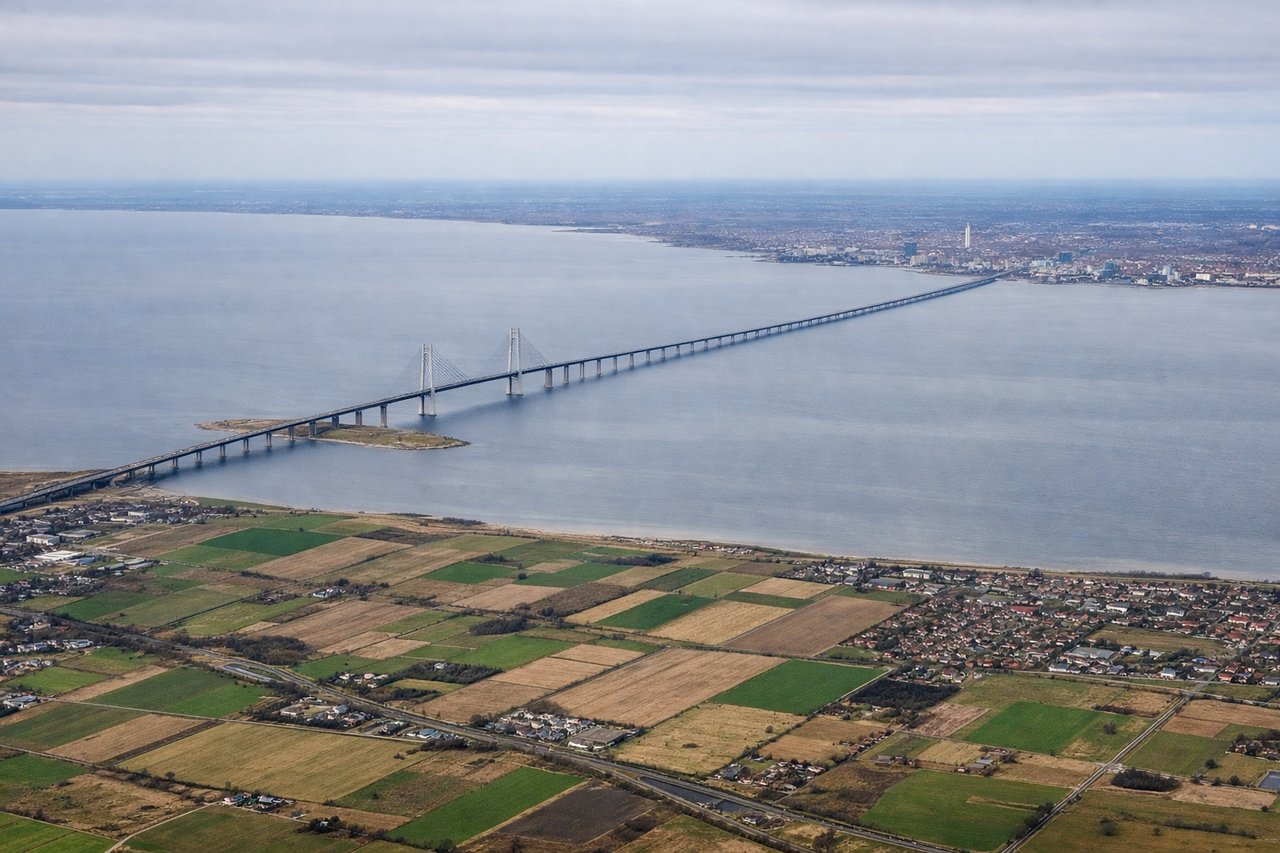
Takeoff from CPH
LEFTLeft side captures the Øresund Strait and Swedish coastline immediately after departure. The aircraft climbs northwestward over the strait, offering clear views of the water body separating Denmark and Sweden, plus the Scanian coast beyond.
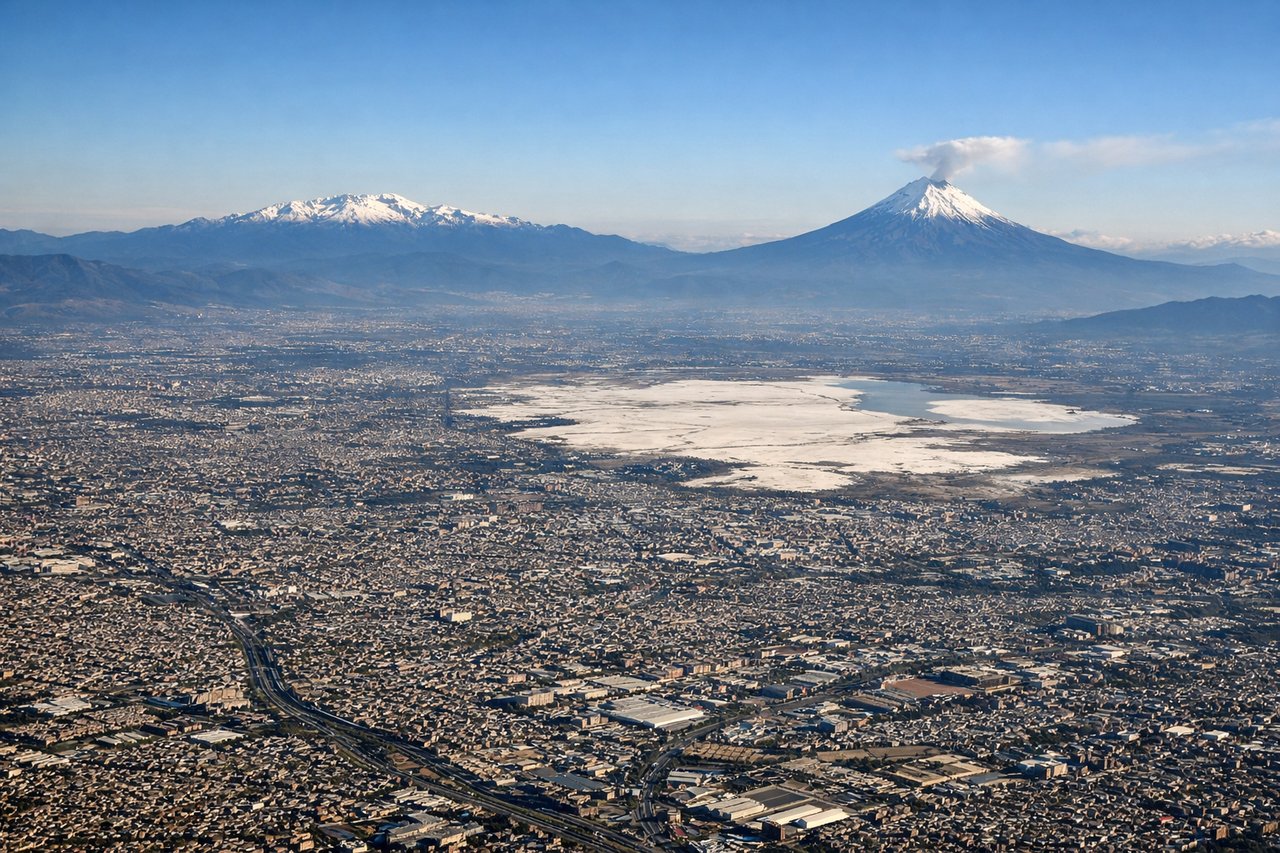
Landing at MEX
RIGHTRight side provides the best views during descent into Mexico City. The aircraft approaches from the northeast, and the right window captures the Valley of Mexico, the city's sprawling urban landscape, and the surrounding volcanic peaks including Popocatépetl and Iztaccíhuatl on the distant horizon.
Will your flight be in sunlight?
Pick a date and time in the Sun Map to watch the sun move across your whole flight.
About This Route
Which side of the plane should I sit on flying from Kastrup (CPH) to Licenciado Benito Juarez International (MEX)?
Sit on the Right side of the plane for the best views on flights from Copenhagen to Mexico City. While the takeoff offers good views of Scandinavian geography, the landing approach into Mexico City provides more dramatic and visually distinctive scenery—the vast metropolitan basin and distant volcanic peaks create a more memorable window experience than the relatively flat Danish-Swedish departure.
What can I see during takeoff from Kastrup in Copenhagen?
During takeoff from Kastrup (CPH), sit on the Left side for the best views. Left side captures the Øresund Strait and Swedish coastline immediately after departure. The aircraft climbs northwestward over the strait, offering clear views of the water body separating Denmark and Sweden, plus the Scanian coast beyond. Notable sights include: Øresund Strait, Swedish Scania coastline, Malmö urban area, Kattegat waters to the north.
What can I see when landing at Licenciado Benito Juarez International in Mexico City?
When landing at Licenciado Benito Juarez International (MEX), sit on the Right side for the best views. Right side provides the best views during descent into Mexico City. The aircraft approaches from the northeast, and the right window captures the Valley of Mexico, the city's sprawling urban landscape, and the surrounding volcanic peaks including Popocatépetl and Iztaccíhuatl on the distant horizon. Notable sights include: Valley of Mexico basin, Mexico City metropolitan area, Popocatépetl volcano (distant), Iztaccíhuatl volcano (distant).
How long is the flight from Copenhagen to Mexico City?
The flight from Kastrup (CPH) to Licenciado Benito Juarez International (MEX) takes about 10 hours 45 minutes. The shortest flight path between them is 5,911 miles (9,513 km); winds and air traffic control usually add a few percent.
What does the Copenhagen to Mexico City flight path pass over?
The flight path crosses the North Atlantic, passing over the British Isles and Irish coast on departure, then over Greenland's southern tip and the Davis Strait. The mid-Atlantic crossing offers open ocean views. Approaching North America, the flight passes over Newfoundland and the Canadian Maritime provinces before crossing into the continental US. The descent into Mexico City provides views of the central Mexican plateau and the Trans-Mexican Volcanic Belt.