While takeoff offers brief Washington DC views, the landing approach over the Tagus estuary and Lisbon's dramatic hillside cityscape provides more sustained and visually distinctive scenery. Right seats capture the river, city topography, and coastal transition more effectively than the transatlantic crossing offers.
Flown DCA to LIS? Did we get it right?
Flight Path
Washington to Lisbon is 3,564 miles (5,736 km), a flight of about 7 hours 15 minutes.
The flight crosses the Atlantic at typical cruise altitude (31,000-35,000 feet). Passengers may glimpse the Irish coast and Celtic Sea during the initial eastbound climb over the Atlantic, though most of the midpoint crossing offers open ocean with occasional cloud formations. The approach to European airspace brings views of the Iberian Peninsula's western coastline, with Portugal's rugged Atlantic cliffs and smaller coastal towns visible during descent into Lisbon.
Great circle distance and headings ›

Phase by phase

Takeoff from DCA
LEFTLeft seats offer views of the Potomac River and Washington DC landmarks during the initial climb-out. The aircraft departs eastbound over the river valley, giving left-side passengers clear sightlines to the city's monumental core and the river's serpentine path through northern Virginia.
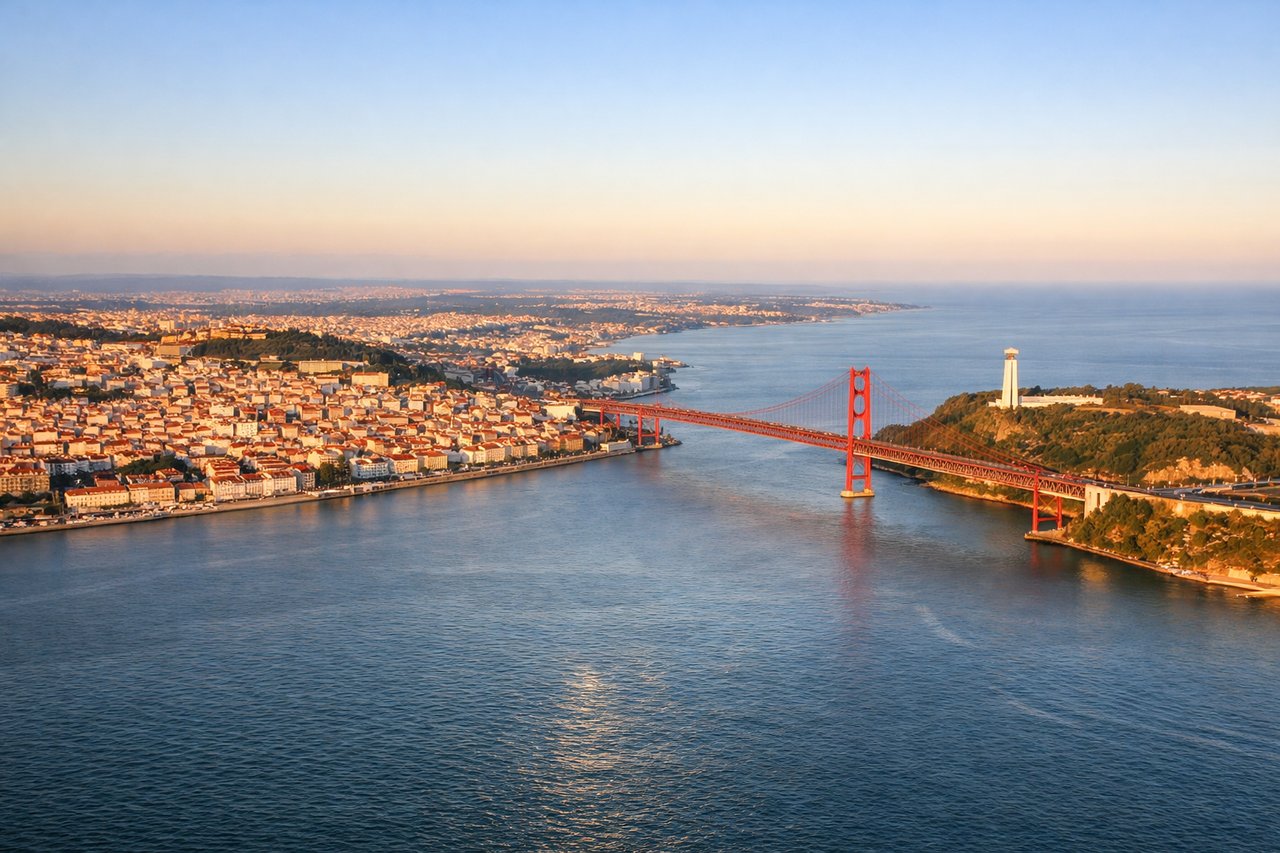
Landing at LIS
RIGHTRight seats provide excellent views of the Tagus River estuary and Lisbon's geography during the approach. Aircraft descend from the northeast over the Atlantic, then bank left to align with the runway, giving right-side passengers extended views of the river, the city's hillside layout, and the coastal landscape.
Will your flight be in sunlight?
Pick a date and time in the Sun Map to watch the sun move across your whole flight.
About This Route
Which side of the plane should I sit on flying from Ronald Reagan Washington National (DCA) to Lisboa (LIS)?
Sit on the Right side of the plane for the best views on flights from Washington to Lisbon. While takeoff offers brief Washington DC views, the landing approach over the Tagus estuary and Lisbon's dramatic hillside cityscape provides more sustained and visually distinctive scenery. Right seats capture the river, city topography, and coastal transition more effectively than the transatlantic crossing offers.
What can I see during takeoff from Ronald Reagan Washington National in Washington?
During takeoff from Ronald Reagan Washington National (DCA), sit on the Left side for the best views. Left seats offer views of the Potomac River and Washington DC landmarks during the initial climb-out. The aircraft departs eastbound over the river valley, giving left-side passengers clear sightlines to the city's monumental core and the river's serpentine path through northern Virginia. Notable sights include: Potomac River, Washington Monument and Capitol Building district, Arlington National Cemetery, Anacostia River confluence.
What can I see when landing at Lisboa in Lisbon?
When landing at Lisboa (LIS), sit on the Right side for the best views. Right seats provide excellent views of the Tagus River estuary and Lisbon's geography during the approach. Aircraft descend from the northeast over the Atlantic, then bank left to align with the runway, giving right-side passengers extended views of the river, the city's hillside layout, and the coastal landscape. Notable sights include: Tagus River estuary, Lisbon city center on north bank hills, Cristo Rei monument on south bank, Atlantic coastline.
How long is the flight from Washington to Lisbon?
The flight from Ronald Reagan Washington National (DCA) to Lisboa (LIS) takes about 7 hours 15 minutes. The shortest flight path between them is 3,564 miles (5,736 km); winds and air traffic control usually add a few percent.
What does the Washington to Lisbon flight path pass over?
The flight crosses the Atlantic at typical cruise altitude (31,000-35,000 feet). Passengers may glimpse the Irish coast and Celtic Sea during the initial eastbound climb over the Atlantic, though most of the midpoint crossing offers open ocean with occasional cloud formations. The approach to European airspace brings views of the Iberian Peninsula's western coastline, with Portugal's rugged Atlantic cliffs and smaller coastal towns visible during descent into Lisbon.