While the Rockies give the left side a strong start, the right side wins the flight overall because of the cruise phase over southern Greenland, where the aircraft passes close to the fjord-cut coastline and ice cap, followed by a right-side view of Iceland's volcanic terrain on approach.
Flight Path
Great Plains of Nebraska and the Dakotas, Manitoba and Hudson Bay coastline, Davis Strait, southern Greenland's ice cap and fjord coastline near Cape Farewell, Denmark Strait
Great circle distance and headings ›Phase by phase
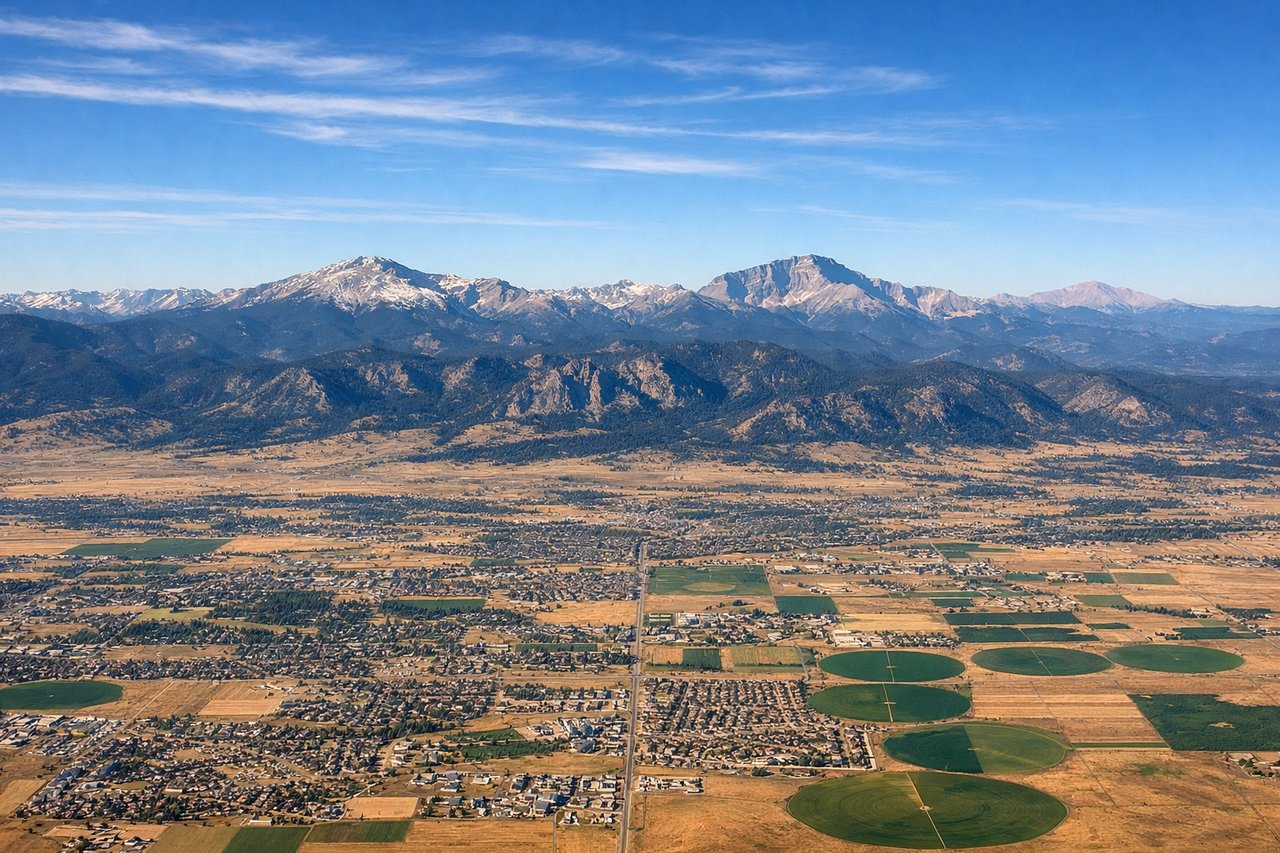
Takeoff from DEN
LEFTClimbing out of DEN, the Front Range of the Rockies dominates the western horizon, with the Denver metro grid receding below before the plains take over. The right side only shows flat prairie stretching east.
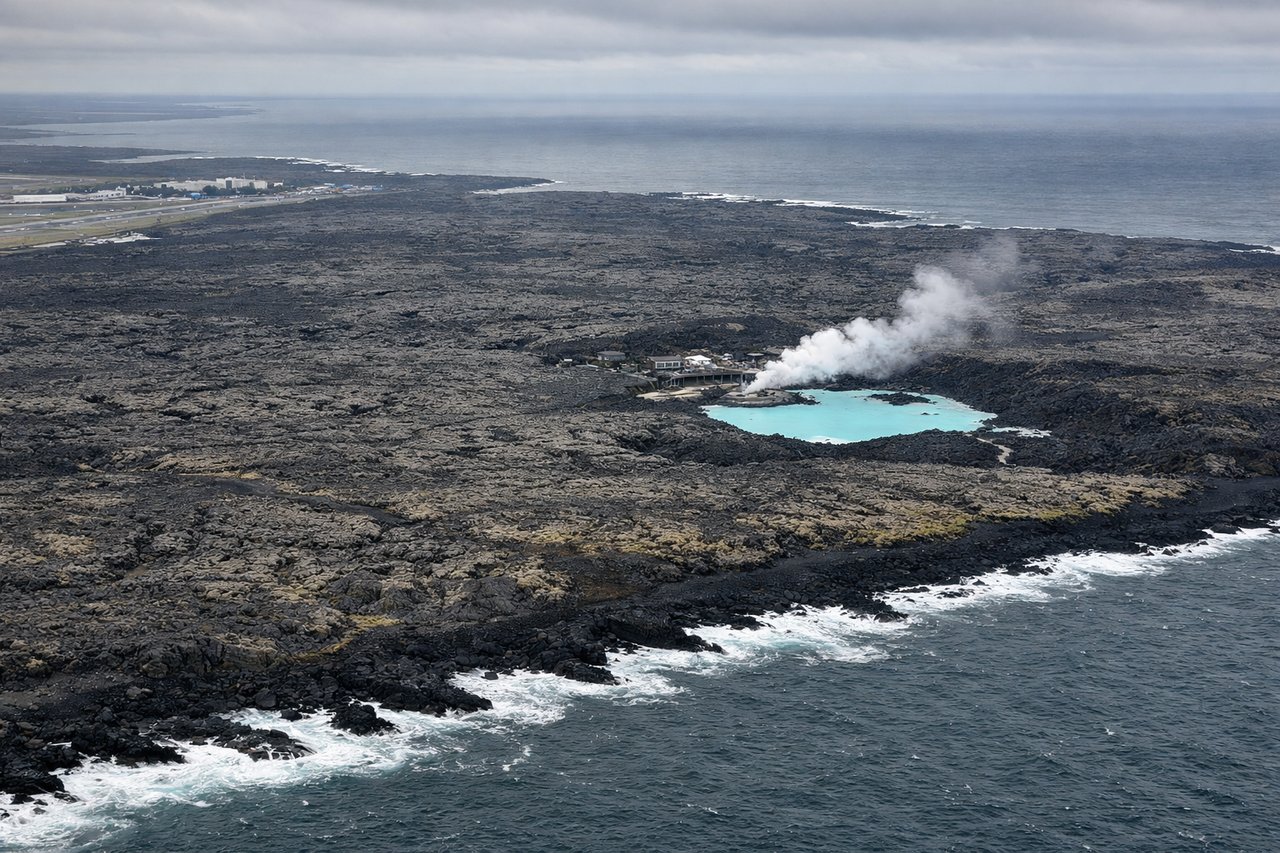
Landing at KEF
RIGHTOn descent into Keflavik the aircraft crosses Iceland's stark Reykjanes Peninsula, where black lava fields, volcanic craters, and geothermal steam plumes are visible on the right, with the glacier-capped Snaefellsjokull volcano visible across Faxafloi Bay to the north.
Will your flight be in sunlight?
See exactly which side of the plane gets sun and shade at your departure time.
About This Route
Which side of the plane should I sit on flying from Denver International (DEN) to Keflavik Nas (KEF)?
Sit on the Right side of the plane for the best views on flights from Denver to Keflavik. While the Rockies give the left side a strong start, the right side wins the flight overall because of the cruise phase over southern Greenland, where the aircraft passes close to the fjord-cut coastline and ice cap, followed by a right-side view of Iceland's volcanic terrain on approach.
What can I see during takeoff from Denver International in Denver?
During takeoff from Denver International (DEN), sit on the Left side for the best views. Climbing out of DEN, the Front Range of the Rockies dominates the western horizon, with the Denver metro grid receding below before the plains take over. The right side only shows flat prairie stretching east. Notable sights include: Front Range foothills, Longs Peak, Mount Evans, Denver suburban grid.
What can I see when landing at Keflavik Nas in Keflavik?
When landing at Keflavik Nas (KEF), sit on the Right side for the best views. On descent into Keflavik the aircraft crosses Iceland's stark Reykjanes Peninsula, where black lava fields, volcanic craters, and geothermal steam plumes are visible on the right, with the glacier-capped Snaefellsjokull volcano visible across Faxafloi Bay to the north. Notable sights include: Reykjanes Peninsula lava fields, Faxafloi Bay, Snaefellsjokull volcano, coastal cliffs near Keflavik.
How long is the flight from Denver to Keflavik?
The flight from Denver International (DEN) to Keflavik Nas (KEF) takes 6h 50m.
What does the Denver to Keflavik flight path pass over?
Great Plains of Nebraska and the Dakotas, Manitoba and Hudson Bay coastline, Davis Strait, southern Greenland's ice cap and fjord coastline near Cape Farewell, Denmark Strait