While takeoff briefly favors the left with Detroit and Lake Erie, the right side dominates the overall flight because of the dramatic Wasatch Range and Great Salt Lake views during the SLC approach, which outweigh the flat, featureless plains seen on the left during cruise.
Flown DTW to SLC? Did we get it right?
Flight Path
Detroit to Salt Lake City is 1,478 miles (2,378 km), a flight of about 3 hours 25 minutes.
Flat agricultural plains of Iowa and Nebraska, followed by the rising terrain of southern Wyoming as the route approaches the Rocky Mountains and eventually the Wasatch Range near Utah.
Great circle distance and headings ›


Phase by phase
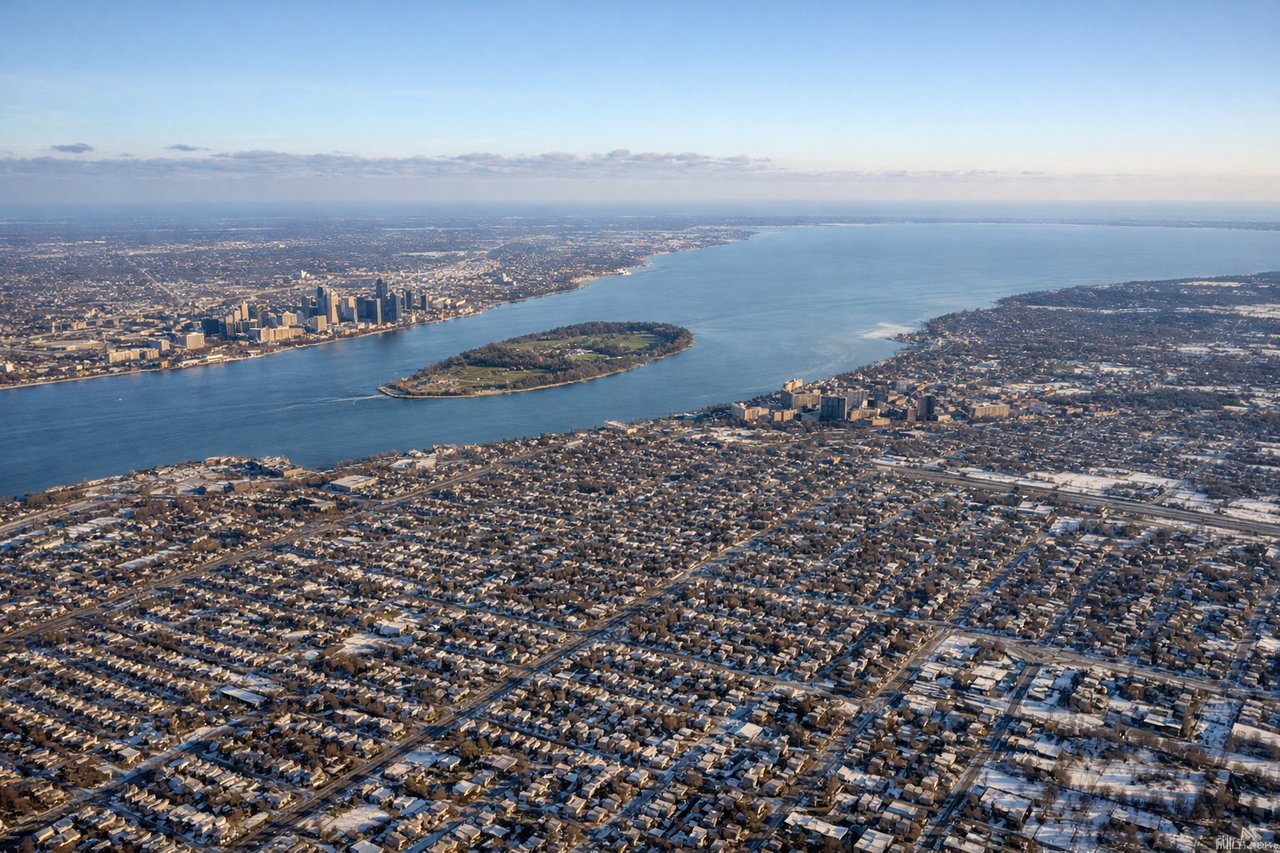
Takeoff from DTW
LEFTDeparting DTW on runway 22, the initial turn typically swings the aircraft southwest, putting downtown Detroit's skyline and the western shoreline of Lake Erie on the left side briefly before the plains take over.
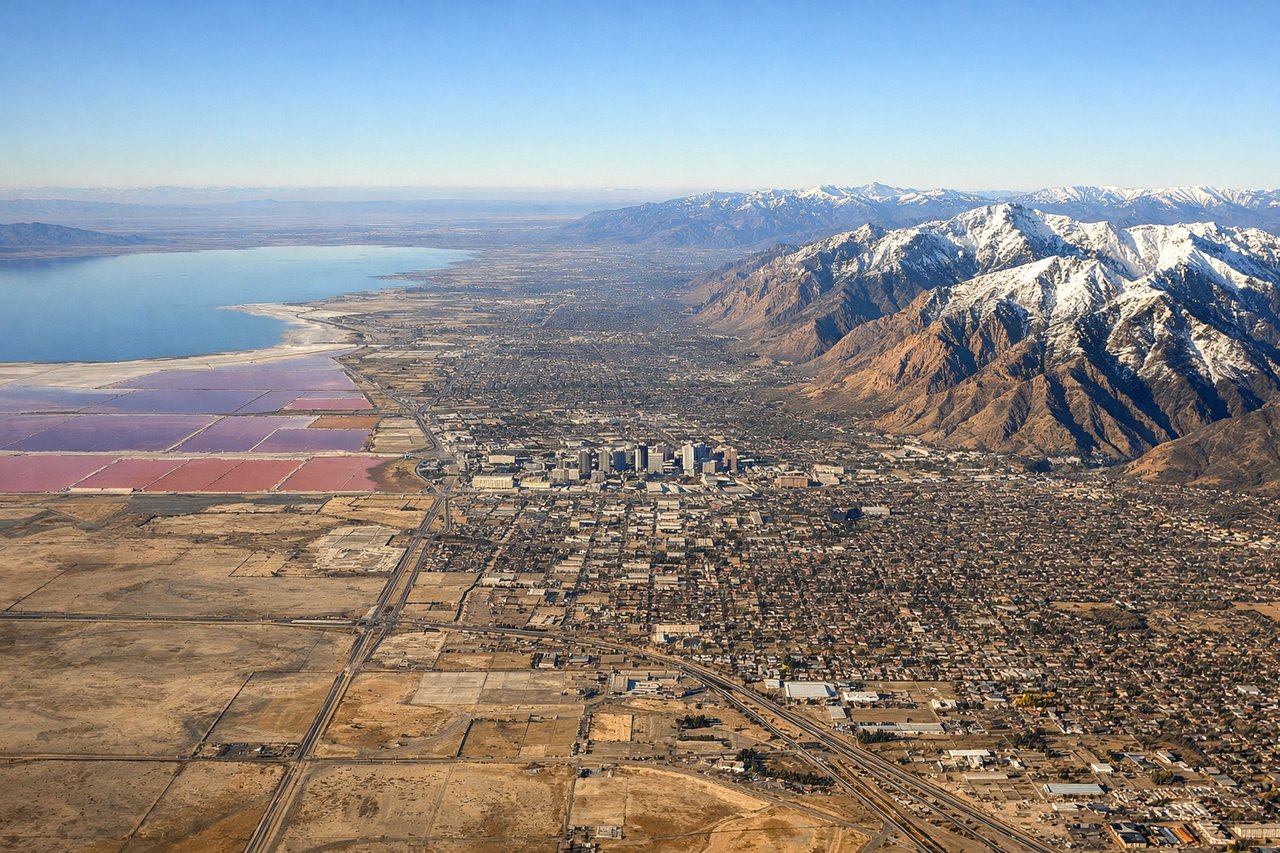
Landing at SLC
RIGHTOn approach into SLC from the east, the descent path typically curves to align with the north-south runways, bringing the steep, snow-streaked Wasatch Range and the edge of the Great Salt Lake into view on the right side of the aircraft.
Will your flight be in sunlight?
Pick a date and time in the Sun Map to watch the sun move across your whole flight.
About This Route
Which side of the plane should I sit on flying from Detroit Metro Wayne Co (DTW) to Salt Lake City International (SLC)?
Sit on the Right side of the plane for the best views on flights from Detroit to Salt Lake City. While takeoff briefly favors the left with Detroit and Lake Erie, the right side dominates the overall flight because of the dramatic Wasatch Range and Great Salt Lake views during the SLC approach, which outweigh the flat, featureless plains seen on the left during cruise.
What can I see during takeoff from Detroit Metro Wayne Co in Detroit?
During takeoff from Detroit Metro Wayne Co (DTW), sit on the Left side for the best views. Departing DTW on runway 22, the initial turn typically swings the aircraft southwest, putting downtown Detroit's skyline and the western shoreline of Lake Erie on the left side briefly before the plains take over. Notable sights include: Detroit skyline, Detroit River, Lake Erie shoreline, Downriver suburbs.
What can I see when landing at Salt Lake City International in Salt Lake City?
When landing at Salt Lake City International (SLC), sit on the Right side for the best views. On approach into SLC from the east, the descent path typically curves to align with the north-south runways, bringing the steep, snow-streaked Wasatch Range and the edge of the Great Salt Lake into view on the right side of the aircraft. Notable sights include: Wasatch Range, Great Salt Lake, Salt Lake Valley, Antelope Island.
How long is the flight from Detroit to Salt Lake City?
The flight from Detroit Metro Wayne Co (DTW) to Salt Lake City International (SLC) takes about 3 hours 25 minutes. The shortest flight path between them is 1,478 miles (2,378 km); winds and air traffic control usually add a few percent.
What does the Detroit to Salt Lake City flight path pass over?
Flat agricultural plains of Iowa and Nebraska, followed by the rising terrain of southern Wyoming as the route approaches the Rocky Mountains and eventually the Wasatch Range near Utah.