Great Salt Lake, Antelope Island, Oquirrh Mountains
🛬 Landing at Salt Lake City (SLC)
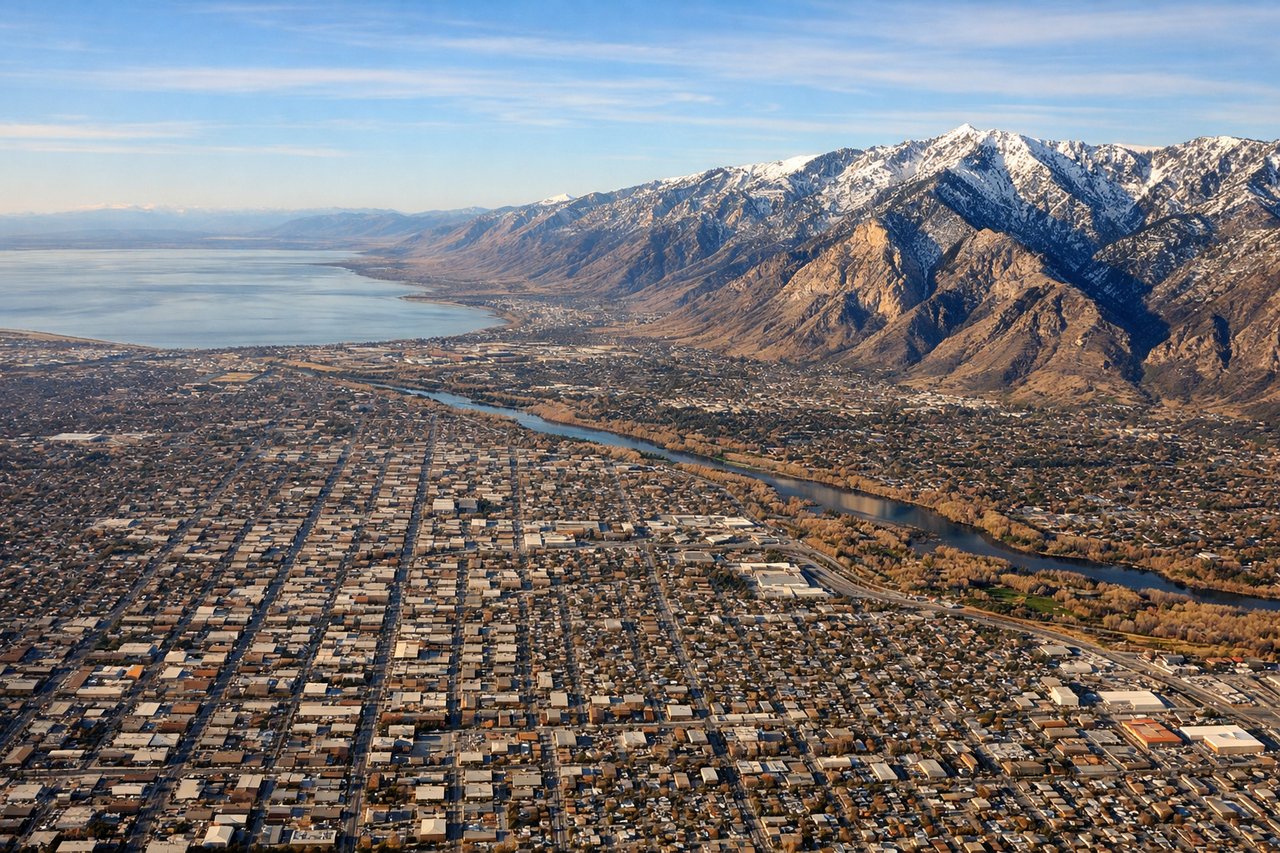 Left Side
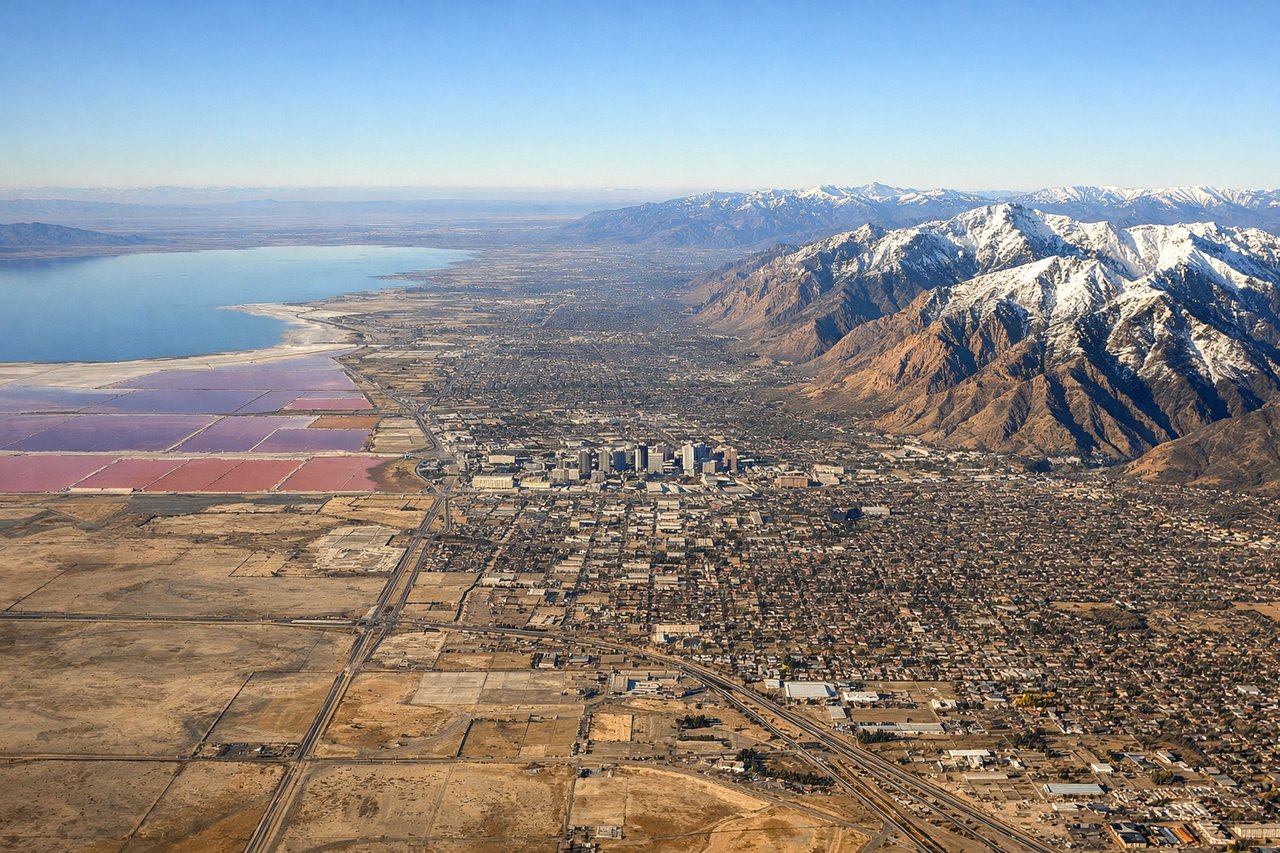 Right Side
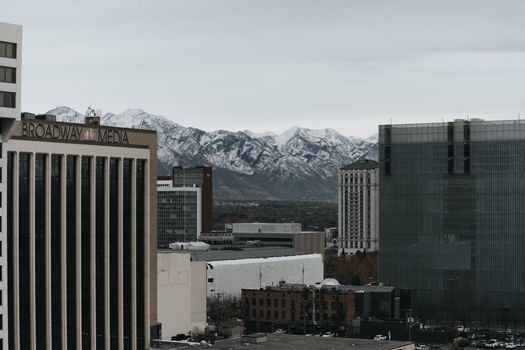 Photo: Quang Vuong
SLC underwent a major terminal rebuild completed in phases through 2024, replacing its older facilities with a single new terminal connected to two concourses. It's a major connecting hub with efficient layouts and mountain views from many gates.
Landmarks on routes to Salt Lake CityAll landmarks →
Connecting at SLC?
Find out if your layover is long enough at Salt Lake City International.
Check layover times →Popular Routes to Salt Lake City International (SLC)
North America
Europe
Asia
South America
Oceania
About This Airport
Which side of the plane has the best views landing at Salt Lake City International (SLC)?
When landing at Salt Lake City International (SLC), sit on the Right side for the best views. Landing on 16R means approaching from the north and flying south, so the west side of the plane faces the Great Salt Lake and Antelope Island as you descend into the valley. It's one of the most distinctive geographic features in the country and hard to miss from the right side windows on final approach. Notable sights include: Great Salt Lake, Antelope Island, Oquirrh Mountains, Salt Lake Valley salt flats.
What can I see when arriving at Salt Lake City?
Arriving at Salt Lake City International in Salt Lake City, passengers on the Right side enjoy views of Great Salt Lake, Antelope Island, Oquirrh Mountains, Salt Lake Valley salt flats. Landing on 16R means approaching from the north and flying south, so the west side of the plane faces the Great Salt Lake and Antelope Island as you descend into the valley. It's one of the most distinctive geographic features in the country and hard to miss from the right side windows on final approach.
What factors affect the best window seat landing at Salt Lake City International?
The best window seat landing at Salt Lake City International (SLC) depends on several factors: the approach path and runway in use, geographic features around Salt Lake City (mountains, coastlines, city skylines), weather conditions, and time of day. Morning and evening arrivals often offer the best lighting.