The right side holds the advantage for most of the flight: it shows Seoul on departure, then stays on the equatorward side of the great-circle arc through the North Pacific, offering the best angle on Kamchatka's volcanoes, the Aleutian chain, the Gulf of Alaska coast, and the Canadian and US Rockies before descent — far outweighing the left side's single strong moment over the Wasatch Range on final approach.
Flight Path
Sea of Japan and Hokkaido coastline, Kamchatka Peninsula's volcanic ridge, the Aleutian Island chain, Gulf of Alaska coast and Chugach Mountains, Canadian Rockies of British Columbia and Alberta
Great circle distance and headings ›


Phase by phase
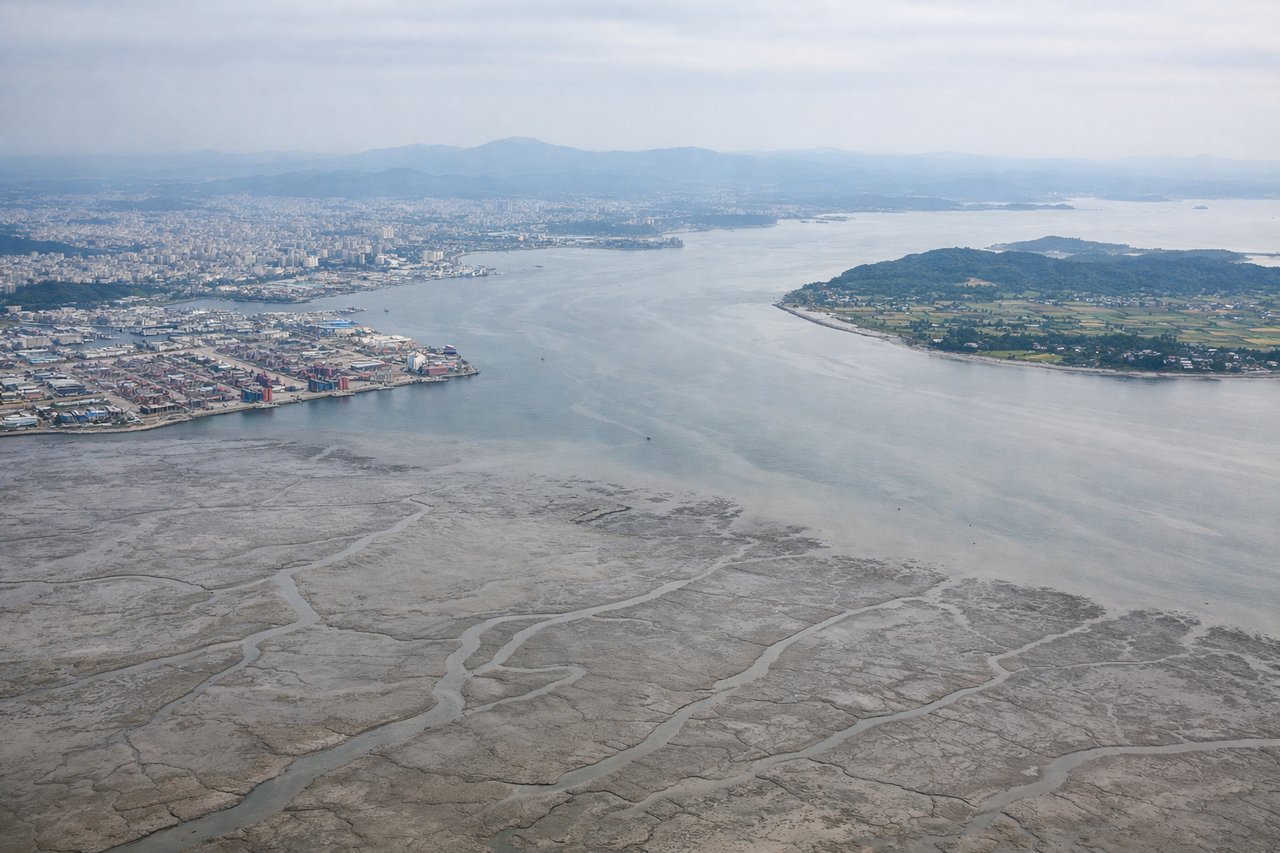
Takeoff from ICN
RIGHTDeparting ICN on runway 15/16, the aircraft climbs southeast over Incheon Bay's islands before making a sweeping left turn onto its northeasterly course toward Japan and the North Pacific. As that turn completes, Seoul's skyline, the Han River, and Bukhansan's granite peaks swing into view on the right side before receding behind.
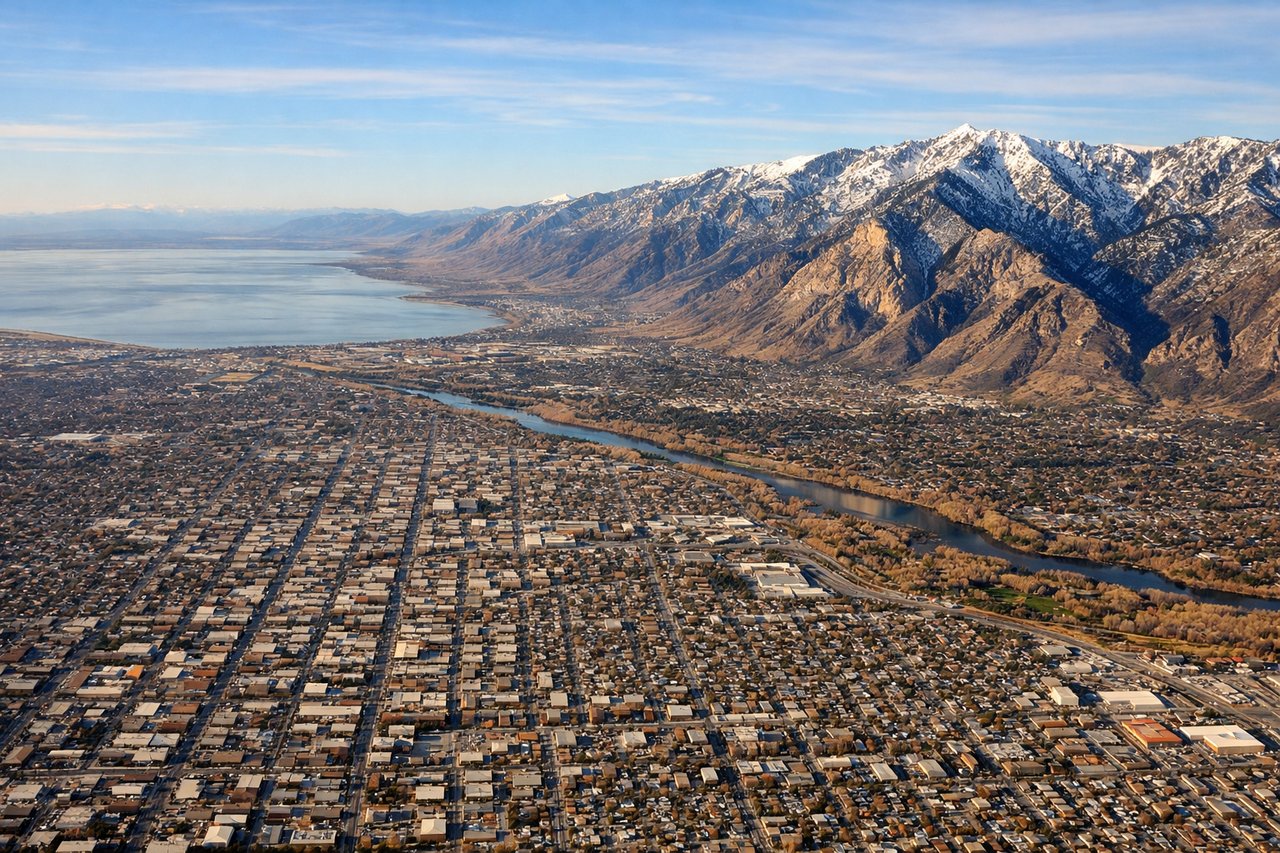
Landing at SLC
LEFTSLC's typical southerly wind flow puts arrivals on runway 16, meaning the aircraft flies south down the Salt Lake Valley for landing. On that heading, the steep, snow-streaked Wasatch Range sits directly out the left windows for the entire descent, while the right side only shows the flatter valley floor and distant lake.
Landmarks on this routeAll landmarks →
Will your flight be in sunlight?
See exactly which side of the plane gets sun and shade at your departure time.
About This Route
Which side of the plane should I sit on flying from Incheon International (ICN) to Salt Lake City International (SLC)?
Sit on the Right side of the plane for the best views on flights from Seoul to Salt Lake City. The right side holds the advantage for most of the flight: it shows Seoul on departure, then stays on the equatorward side of the great-circle arc through the North Pacific, offering the best angle on Kamchatka's volcanoes, the Aleutian chain, the Gulf of Alaska coast, and the Canadian and US Rockies before descent — far outweighing the left side's single strong moment over the Wasatch Range on final approach.
What can I see during takeoff from Incheon International in Seoul?
During takeoff from Incheon International (ICN), sit on the Right side for the best views. Departing ICN on runway 15/16, the aircraft climbs southeast over Incheon Bay's islands before making a sweeping left turn onto its northeasterly course toward Japan and the North Pacific. As that turn completes, Seoul's skyline, the Han River, and Bukhansan's granite peaks swing into view on the right side before receding behind. Notable sights include: Seoul skyline and Han River, Bukhansan Mountain, Incheon Bay islands, Yellow Sea coastline.
What can I see when landing at Salt Lake City International in Salt Lake City?
When landing at Salt Lake City International (SLC), sit on the Left side for the best views. SLC's typical southerly wind flow puts arrivals on runway 16, meaning the aircraft flies south down the Salt Lake Valley for landing. On that heading, the steep, snow-streaked Wasatch Range sits directly out the left windows for the entire descent, while the right side only shows the flatter valley floor and distant lake. Notable sights include: Wasatch Range peaks (Twin Peaks, Mount Olympus), Cottonwood Canyons, Salt Lake Valley suburbs, Point of the Mountain ridge.
How long is the flight from Seoul to Salt Lake City?
The flight from Incheon International (ICN) to Salt Lake City International (SLC) takes 11h 35m.
What does the Seoul to Salt Lake City flight path pass over?
Sea of Japan and Hokkaido coastline, Kamchatka Peninsula's volcanic ridge, the Aleutian Island chain, Gulf of Alaska coast and Chugach Mountains, Canadian Rockies of British Columbia and Alberta