The left side wins both takeoff and landing segments — the Great Salt Lake and Wasatch Range at departure, and the Yellow Sea coastline with Incheon's bridge and islands on arrival — while the middle hours are open ocean regardless of side.
Flight Path
The route crosses the Gulf of Alaska, skirts the Alaska Peninsula and Aleutian Islands region, then traverses the open North Pacific and Bering Sea before descending toward the Korean Peninsula.
Great circle distance and headings ›


Phase by phase
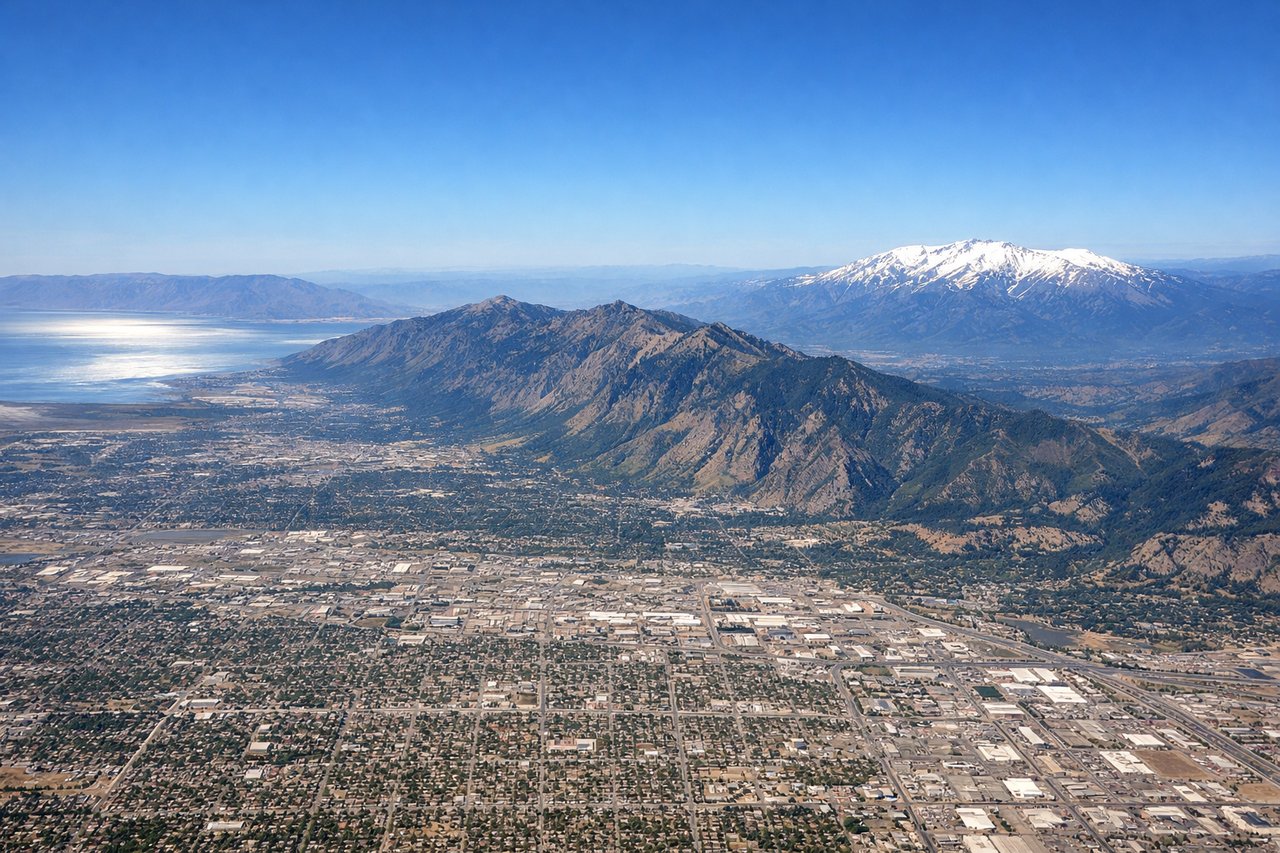
Takeoff from SLC
LEFTDeparting SLC to the northwest gives left-side views of the Great Salt Lake and the Wasatch Range receding behind, then Idaho's terrain before the route turns toward Canada. The right side mostly shows the flat Salt Lake Valley suburbs.
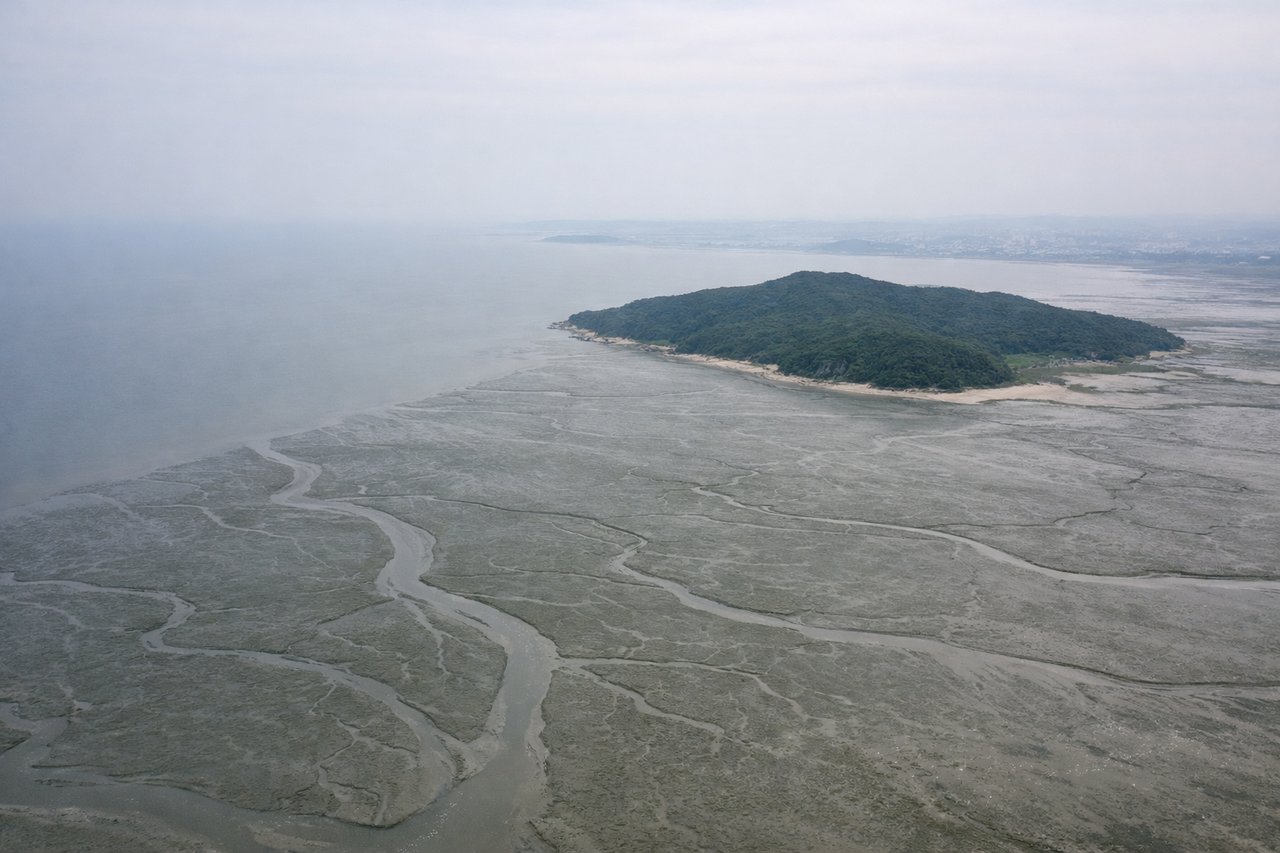
Landing at ICN
LEFTArriving into ICN from the northeast, the left side offers views of the Korean coastline, the Yellow Sea's tidal flats, and the approach over Incheon's man-made islands before landing. The right side faces inland toward less distinct terrain during final approach.
Landmarks on this routeAll landmarks →
Will your flight be in sunlight?
See exactly which side of the plane gets sun and shade at your departure time.
About This Route
Which side of the plane should I sit on flying from Salt Lake City International (SLC) to Incheon International (ICN)?
Sit on the Left side of the plane for the best views on flights from Salt Lake City to Seoul. The left side wins both takeoff and landing segments — the Great Salt Lake and Wasatch Range at departure, and the Yellow Sea coastline with Incheon's bridge and islands on arrival — while the middle hours are open ocean regardless of side.
What can I see during takeoff from Salt Lake City International in Salt Lake City?
During takeoff from Salt Lake City International (SLC), sit on the Left side for the best views. Departing SLC to the northwest gives left-side views of the Great Salt Lake and the Wasatch Range receding behind, then Idaho's terrain before the route turns toward Canada. The right side mostly shows the flat Salt Lake Valley suburbs. Notable sights include: Great Salt Lake, Wasatch Range, Antelope Island, Oquirrh Mountains.
What can I see when landing at Incheon International in Seoul?
When landing at Incheon International (ICN), sit on the Left side for the best views. Arriving into ICN from the northeast, the left side offers views of the Korean coastline, the Yellow Sea's tidal flats, and the approach over Incheon's man-made islands before landing. The right side faces inland toward less distinct terrain during final approach. Notable sights include: Yellow Sea coastline, Incheon tidal mudflats, Ganghwa Island, Incheon Bridge.
How long is the flight from Salt Lake City to Seoul?
The flight from Salt Lake City International (SLC) to Incheon International (ICN) takes 13h 10m.
What does the Salt Lake City to Seoul flight path pass over?
The route crosses the Gulf of Alaska, skirts the Alaska Peninsula and Aleutian Islands region, then traverses the open North Pacific and Bering Sea before descending toward the Korean Peninsula.