The departure view from Dublin—with the Wicklow Mountains, Dublin Bay, and the Irish Sea—offers more varied and recognizable geography than the landing. While Keflavik's volcanic landscape is dramatic, the takeoff provides a clearer sense of place and more visual interest for most passengers.
Flown DUB to KEF? Did we get it right?
Flight Path
Dublin to Keflavik is 930 miles (1,497 km), a flight of about 2 hours 55 minutes.
The flight path crosses the Irish Sea, then the open Atlantic. Around the midpoint (roughly 90 minutes out), you'll be over open ocean with no visible landmarks. The approach to Iceland brings the Mid-Atlantic Ridge features into view—the terrain transitions from deep ocean to the volcanic plateau. The Reykjanes Peninsula's lava fields become visible about 30 minutes before landing, with the geothermal areas and coastal cliffs becoming increasingly distinct.
Great circle distance and headings ›Phase by phase
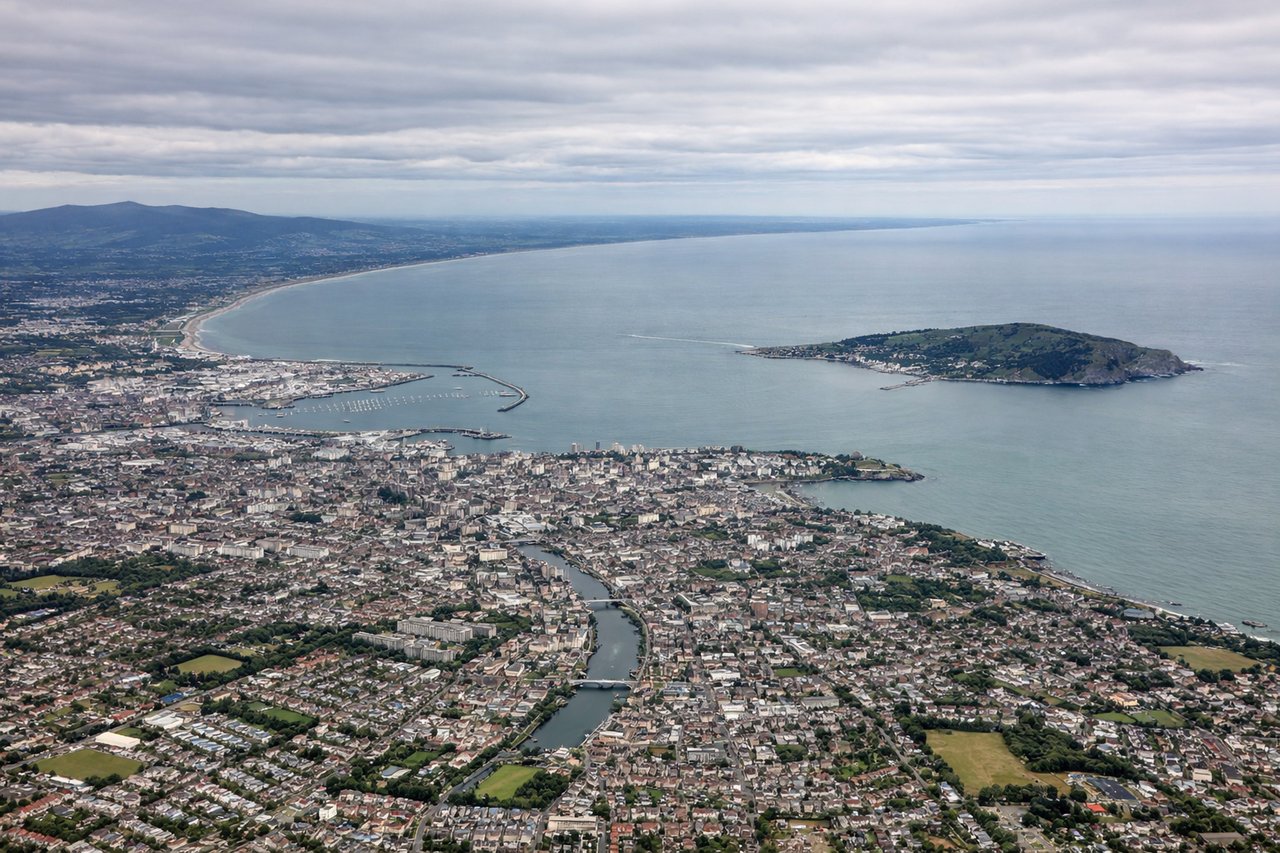
Takeoff from DUB
LEFTDublin typically departs eastbound (runways 10L/10R). Left seats face north across the Irish Sea toward the Wicklow Mountains and the Dublin Bay coastline. Right seats look south over inland terrain with less dramatic relief.
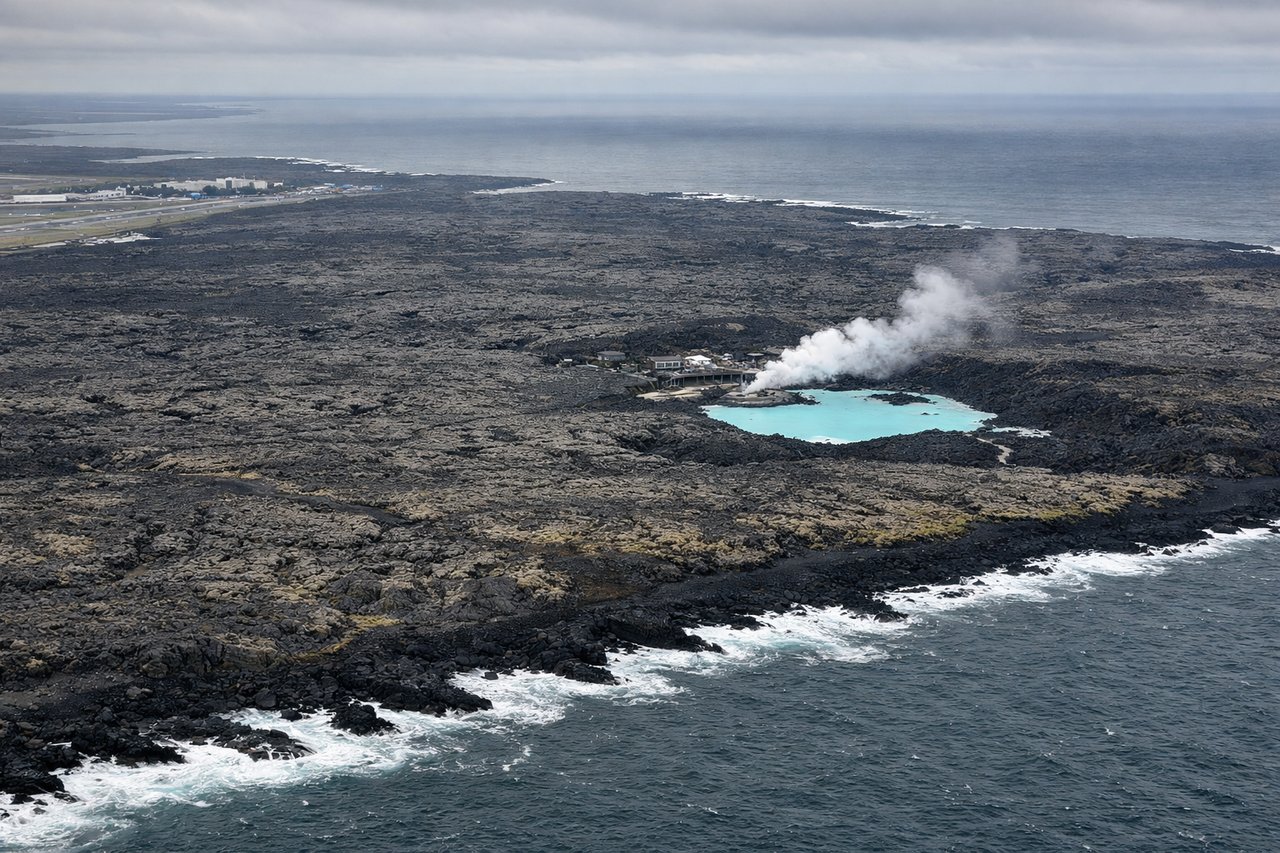
Landing at KEF
RIGHTKeflavik typically lands westbound (runway 02). Right seats face south toward the Reykjanes Peninsula's dramatic lava fields and coastal cliffs. Left seats see the interior plateau and less distinctive terrain.
Will your flight be in sunlight?
Pick a date and time in the Sun Map to watch the sun move across your whole flight.
About This Route
Which side of the plane should I sit on flying from Dublin (DUB) to Keflavik Nas (KEF)?
Sit on the Left side of the plane for the best views on flights from Dublin to Keflavik. The departure view from Dublin—with the Wicklow Mountains, Dublin Bay, and the Irish Sea—offers more varied and recognizable geography than the landing. While Keflavik's volcanic landscape is dramatic, the takeoff provides a clearer sense of place and more visual interest for most passengers.
What can I see during takeoff from Dublin in Dublin?
During takeoff from Dublin (DUB), sit on the Left side for the best views. Dublin typically departs eastbound (runways 10L/10R). Left seats face north across the Irish Sea toward the Wicklow Mountains and the Dublin Bay coastline. Right seats look south over inland terrain with less dramatic relief. Notable sights include: Wicklow Mountains (distant ridge to the north), Dublin Bay and Howth Peninsula (immediate offshore), Irish Sea (expanding water body), Dun Laoghaire harbor (small but visible coastal feature).
What can I see when landing at Keflavik Nas in Keflavik?
When landing at Keflavik Nas (KEF), sit on the Right side for the best views. Keflavik typically lands westbound (runway 02). Right seats face south toward the Reykjanes Peninsula's dramatic lava fields and coastal cliffs. Left seats see the interior plateau and less distinctive terrain. Notable sights include: Reykjanes Peninsula lava fields (dark, textured volcanic terrain), Atlantic Ocean and coastal cliffs (sharp relief), Keflavik town and harbor (small settlement), Blue Lagoon geothermal area (distinctive bright turquoise water).
How long is the flight from Dublin to Keflavik?
The flight from Dublin (DUB) to Keflavik Nas (KEF) takes about 2 hours 55 minutes. The shortest flight path between them is 930 miles (1,497 km); winds and air traffic control usually add a few percent.
What does the Dublin to Keflavik flight path pass over?
The flight path crosses the Irish Sea, then the open Atlantic. Around the midpoint (roughly 90 minutes out), you'll be over open ocean with no visible landmarks. The approach to Iceland brings the Mid-Atlantic Ridge features into view—the terrain transitions from deep ocean to the volcanic plateau. The Reykjanes Peninsula's lava fields become visible about 30 minutes before landing, with the geothermal areas and coastal cliffs becoming increasingly distinct.