While the takeoff offers excellent Irish coastal views, the landing approach to Labasa provides more dramatic and visually distinctive scenery with volcanic terrain, tropical reefs, and the unique geography of Fiji. Right side captures the most rewarding views for the majority of this ultra-long-haul flight.
Flight Path
This routing typically crosses the Atlantic (North Atlantic shipping lanes and Greenland's southern tip or Iceland region depending on exact routing), then over continental Europe or the Mediterranean, the Middle East (Persian Gulf region), the Indian Ocean (crossing near the Chagos Archipelago or Maldives region), and finally approaching Fiji from the east across the South Pacific. The most visually notable midpoint would be the approach to any refueling stop (likely in the Middle East or Southeast Asia) and the vast open Indian Ocean crossing. Direct routing would show the curvature of the Earth and extended ocean horizons for many hours.
Great circle distance and headings ›Phase by phase
Takeoff from DUB
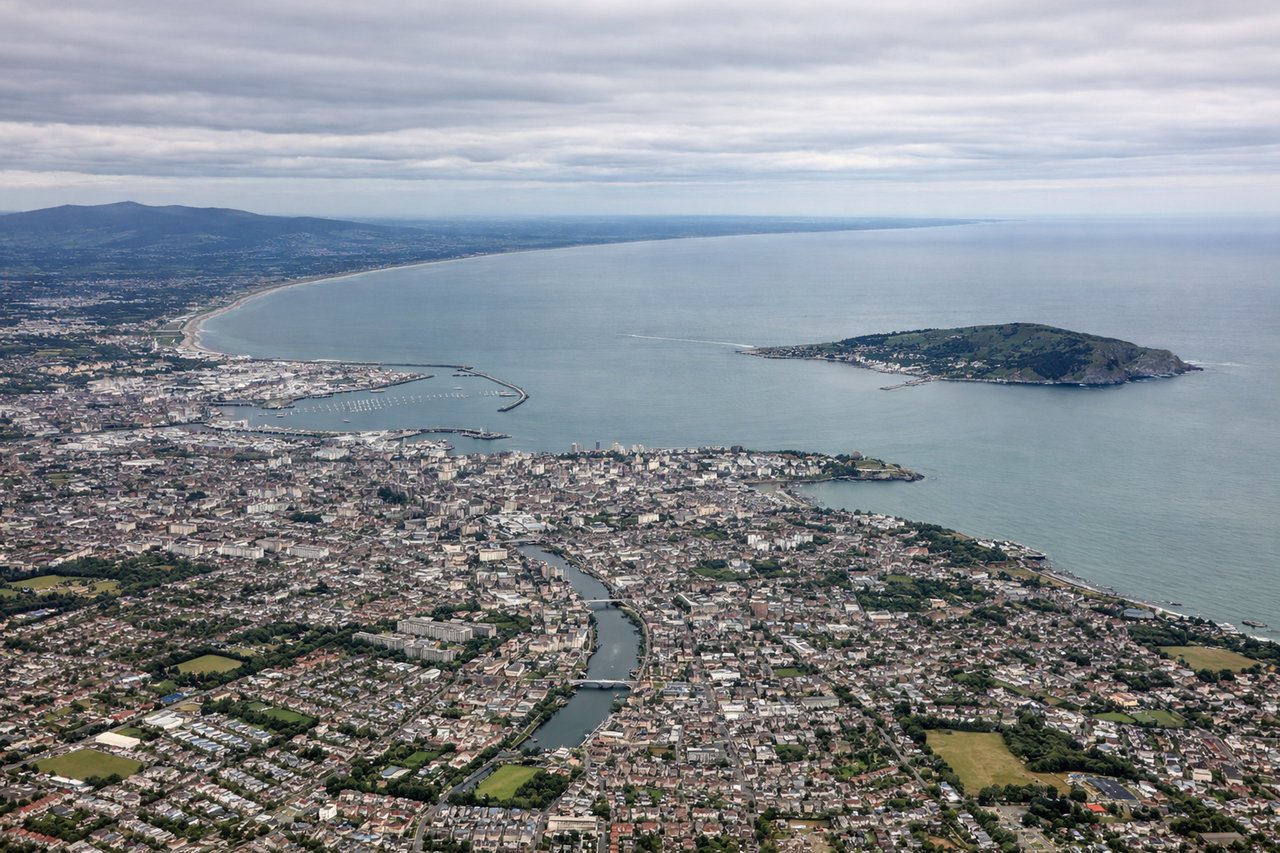
LEFTLeft side offers views of Dublin Bay and the Irish coastline as the aircraft climbs northeastward over the Irish Sea. You'll see the distinctive curve of the bay and the Wicklow Mountains inland to the south.
Landing at LBS
RIGHTRight side provides views of Vanua Levu's northern coast and the approach to Labasa. You'll see the volcanic terrain, coastal reefs, and the distinctive geography of northern Fiji as you descend toward the airport on the island's northeastern shore.
Landmarks on this routeAll landmarks →
Will your flight be in sunlight?
See exactly which side of the plane gets sun and shade at your departure time.
About This Route
Which side of the plane should I sit on flying from Dublin (DUB) to Labasa Airport (LBS)?
Sit on the Right side of the plane for the best views on flights from Dublin to Labasa. While the takeoff offers excellent Irish coastal views, the landing approach to Labasa provides more dramatic and visually distinctive scenery with volcanic terrain, tropical reefs, and the unique geography of Fiji. Right side captures the most rewarding views for the majority of this ultra-long-haul flight.
What can I see during takeoff from Dublin in Dublin?
During takeoff from Dublin (DUB), sit on the Left side for the best views. Left side offers views of Dublin Bay and the Irish coastline as the aircraft climbs northeastward over the Irish Sea. You'll see the distinctive curve of the bay and the Wicklow Mountains inland to the south. Notable sights include: Dublin Bay, Irish Sea coastline, Wicklow Mountains (south), Howth Peninsula.
What can I see when landing at Labasa Airport in Labasa?
When landing at Labasa Airport (LBS), sit on the Right side for the best views. Right side provides views of Vanua Levu's northern coast and the approach to Labasa. You'll see the volcanic terrain, coastal reefs, and the distinctive geography of northern Fiji as you descend toward the airport on the island's northeastern shore. Notable sights include: Vanua Levu's volcanic ridges, Labasa coastal plain, coral reef systems, Koro Sea.
How long is the flight from Dublin to Labasa?
The flight from Dublin (DUB) to Labasa Airport (LBS) takes Approximately 19-20 hours (including one or more stops).
What does the Dublin to Labasa flight path pass over?
This routing typically crosses the Atlantic (North Atlantic shipping lanes and Greenland's southern tip or Iceland region depending on exact routing), then over continental Europe or the Mediterranean, the Middle East (Persian Gulf region), the Indian Ocean (crossing near the Chagos Archipelago or Maldives region), and finally approaching Fiji from the east across the South Pacific. The most visually notable midpoint would be the approach to any refueling stop (likely in the Middle East or Southeast Asia) and the vast open Indian Ocean crossing. Direct routing would show the curvature of the Earth and extended ocean horizons for many hours.