The right side wins because it captures the flight's best terrain drama: possible glimpses of Greenland's southern ice cap and fjords during cruise, and a spectacular mountain-and-skyline approach into Vancouver, versus the left side's flatter Canadian interior and delta farmland on arrival.
Flight Path
Southern Greenland's ice cap and coastal fjords, the Labrador Sea, Hudson Bay, and the boreal forests and lakes of northern Manitoba and Saskatchewan before reaching the Canadian Rockies near the descent into Vancouver
Great circle distance and headings ›
.jpg?width=600)

Phase by phase
Takeoff from DUB
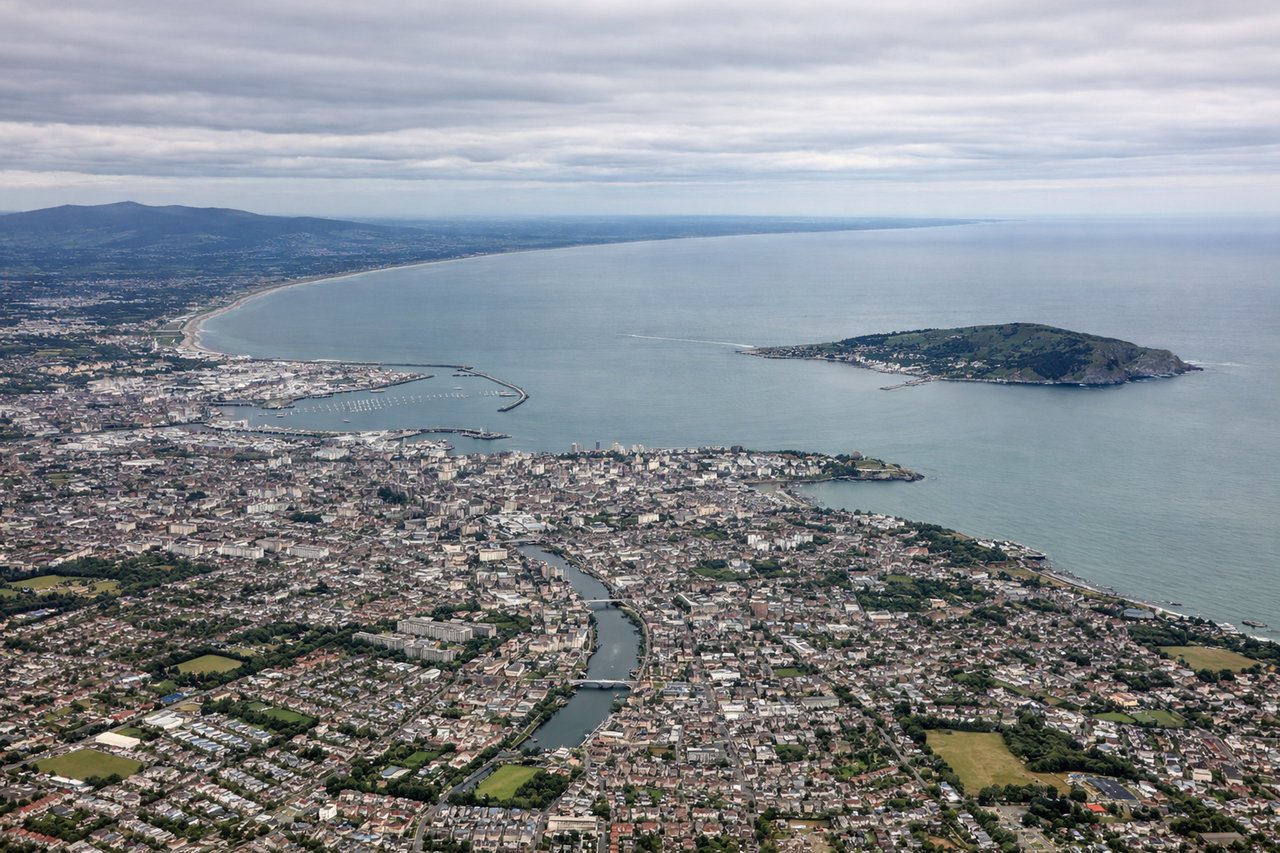
LEFTClimbing out on runway 28, the southern (left) side gives a good look at Dublin city, Dublin Bay, and the Wicklow Mountains rising just south of the city before the aircraft turns out over the Irish Sea. The northern side mostly shows flatter farmland around Fingal.
Landing at YVR
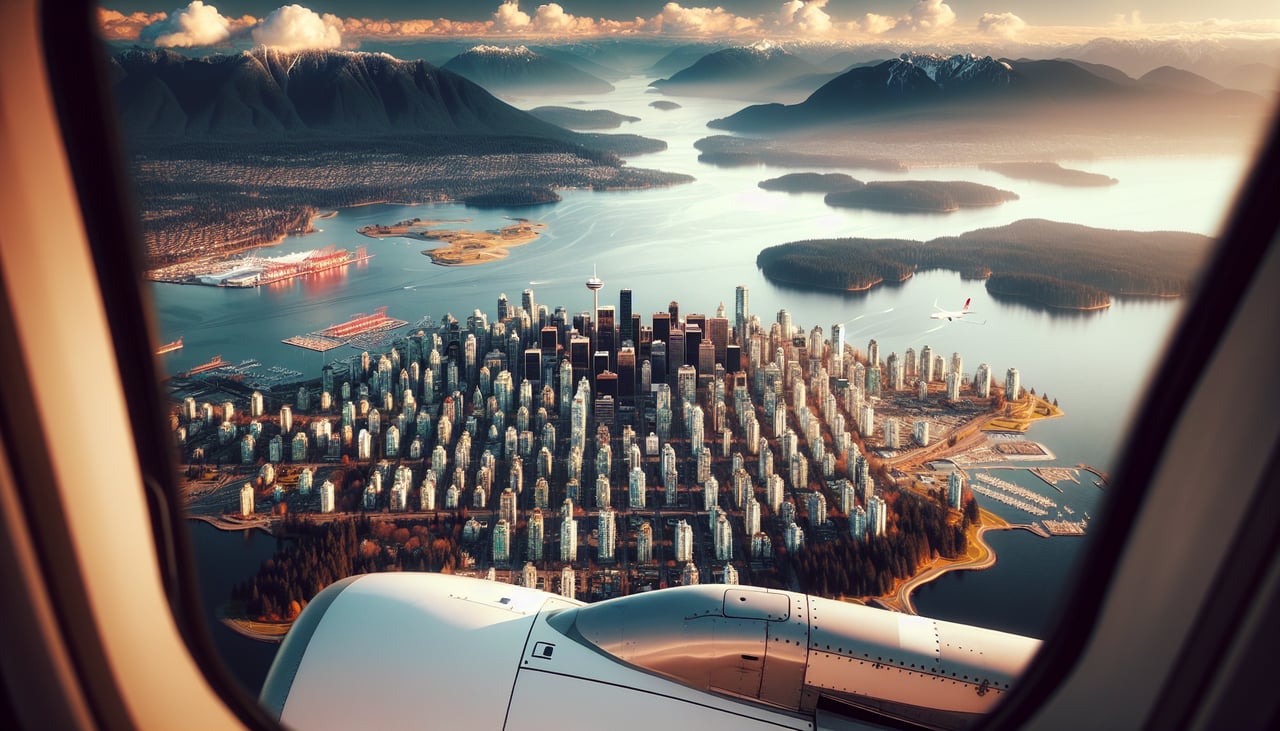
RIGHTOn approach to YVR's runway 26, descending from the east, the northern (right) side offers a dramatic view of the Coast Mountains and North Shore peaks like Grouse Mountain, along with Vancouver's downtown skyline and Burrard Inlet. The southern side mainly shows the flat Fraser River delta and farmland around Richmond.
Landmarks on this routeAll landmarks →
Will your flight be in sunlight?
See exactly which side of the plane gets sun and shade at your departure time.
About This Route
Which side of the plane should I sit on flying from Dublin (DUB) to Vancouver International (YVR)?
Sit on the Right side of the plane for the best views on flights from Dublin to Vancouver. The right side wins because it captures the flight's best terrain drama: possible glimpses of Greenland's southern ice cap and fjords during cruise, and a spectacular mountain-and-skyline approach into Vancouver, versus the left side's flatter Canadian interior and delta farmland on arrival.
What can I see during takeoff from Dublin in Dublin?
During takeoff from Dublin (DUB), sit on the Left side for the best views. Climbing out on runway 28, the southern (left) side gives a good look at Dublin city, Dublin Bay, and the Wicklow Mountains rising just south of the city before the aircraft turns out over the Irish Sea. The northern side mostly shows flatter farmland around Fingal. Notable sights include: Dublin city center, Dublin Bay, Wicklow Mountains, Irish Sea coastline.
What can I see when landing at Vancouver International in Vancouver?
When landing at Vancouver International (YVR), sit on the Right side for the best views. On approach to YVR's runway 26, descending from the east, the northern (right) side offers a dramatic view of the Coast Mountains and North Shore peaks like Grouse Mountain, along with Vancouver's downtown skyline and Burrard Inlet. The southern side mainly shows the flat Fraser River delta and farmland around Richmond. Notable sights include: North Shore Mountains, Grouse Mountain, Vancouver downtown skyline, Burrard Inlet.
How long is the flight from Dublin to Vancouver?
The flight from Dublin (DUB) to Vancouver International (YVR) takes 8h 55m.
What does the Dublin to Vancouver flight path pass over?
Southern Greenland's ice cap and coastal fjords, the Labrador Sea, Hudson Bay, and the boreal forests and lakes of northern Manitoba and Saskatchewan before reaching the Canadian Rockies near the descent into Vancouver