The right side edges ahead thanks to the dramatic Coast Mountains and Vancouver skyline visible right after takeoff, a more striking and higher-altitude view than the flatter approach scenery on the left, even though Dublin Bay adds a nice finish.
Flight Path
Northern Canadian tundra and lakes, Hudson Strait, the southern tip of Greenland's ice sheet, and the open North Atlantic Ocean
Great circle distance and headings ›
.jpg?width=600)

Phase by phase
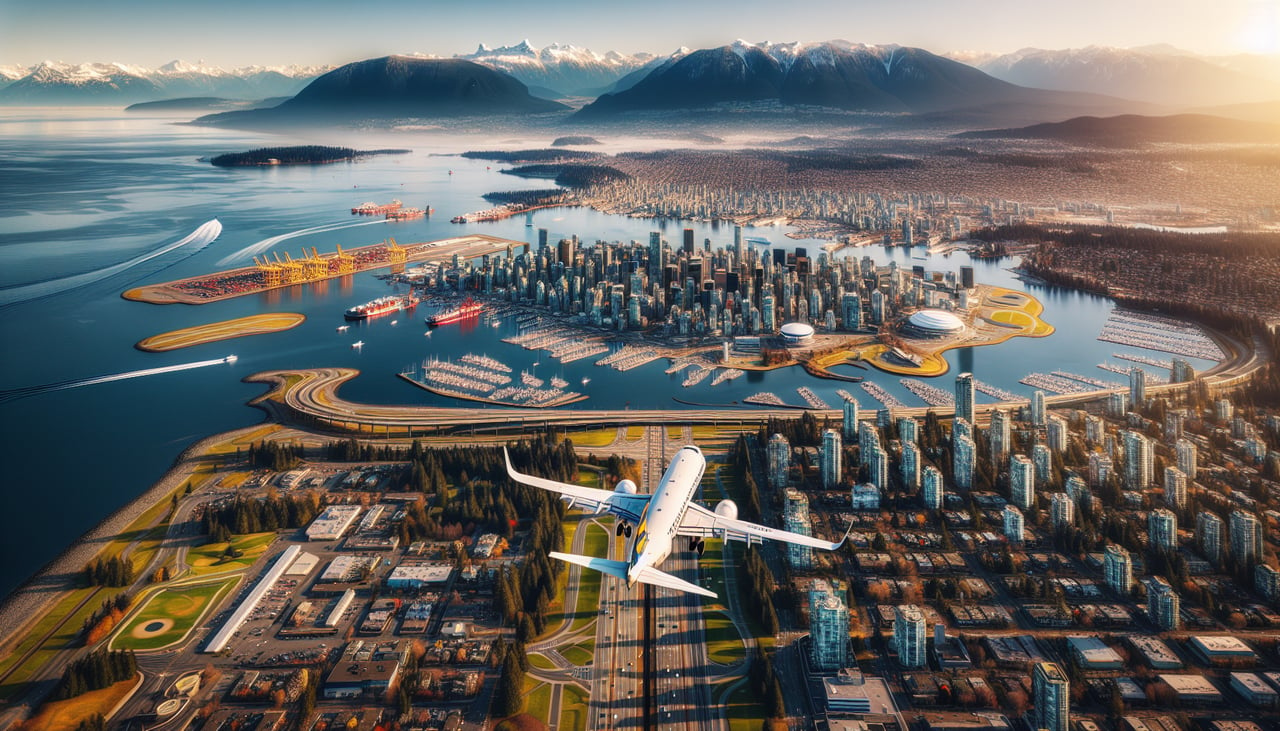
Takeoff from YVR
RIGHTDeparting YVR to the west then curving north toward the polar route, the right side faces the North Shore's Coast Mountains (Grouse, Cypress, Seymour) and the Fraser Valley skyline of Vancouver, while the left side mostly shows open water toward Vancouver Island.
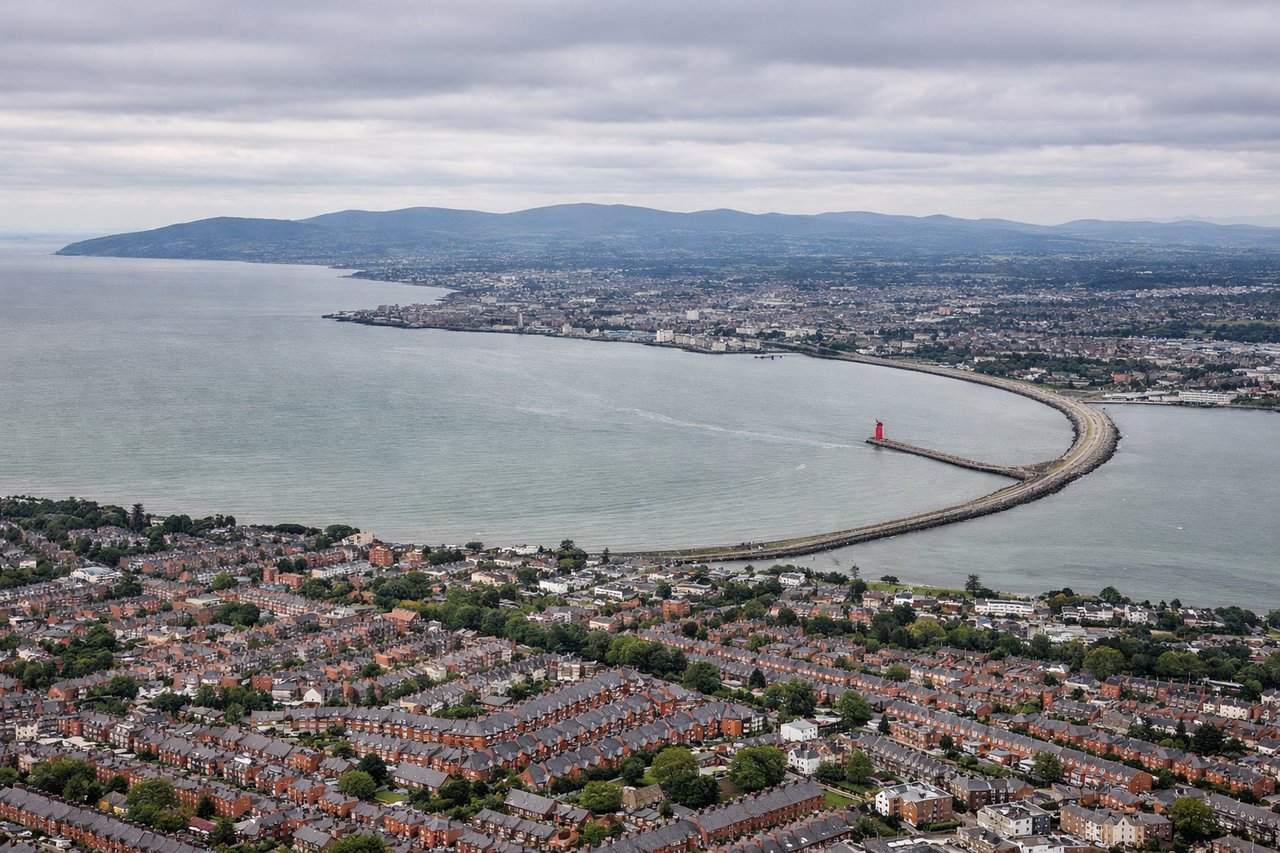
Landing at DUB
LEFTOn the typical westbound approach into Dublin (runway 28), the aircraft crosses Dublin Bay and the Irish Sea coastline before turning inland, putting the bay, Poolbeg's twin chimneys, and the distant Wicklow Mountains on the left side.
Landmarks on this routeAll landmarks →
Will your flight be in sunlight?
See exactly which side of the plane gets sun and shade at your departure time.
About This Route
Which side of the plane should I sit on flying from Vancouver International (YVR) to Dublin (DUB)?
Sit on the Right side of the plane for the best views on flights from Vancouver to Dublin. The right side edges ahead thanks to the dramatic Coast Mountains and Vancouver skyline visible right after takeoff, a more striking and higher-altitude view than the flatter approach scenery on the left, even though Dublin Bay adds a nice finish.
What can I see during takeoff from Vancouver International in Vancouver?
During takeoff from Vancouver International (YVR), sit on the Right side for the best views. Departing YVR to the west then curving north toward the polar route, the right side faces the North Shore's Coast Mountains (Grouse, Cypress, Seymour) and the Fraser Valley skyline of Vancouver, while the left side mostly shows open water toward Vancouver Island. Notable sights include: North Shore Mountains, Downtown Vancouver skyline, Burrard Inlet, Fraser River delta.
What can I see when landing at Dublin in Dublin?
When landing at Dublin (DUB), sit on the Left side for the best views. On the typical westbound approach into Dublin (runway 28), the aircraft crosses Dublin Bay and the Irish Sea coastline before turning inland, putting the bay, Poolbeg's twin chimneys, and the distant Wicklow Mountains on the left side. Notable sights include: Dublin Bay, Poolbeg chimneys, Wicklow Mountains, Irish Sea coastline.
How long is the flight from Vancouver to Dublin?
The flight from Vancouver International (YVR) to Dublin (DUB) takes 7h 50m.
What does the Vancouver to Dublin flight path pass over?
Northern Canadian tundra and lakes, Hudson Strait, the southern tip of Greenland's ice sheet, and the open North Atlantic Ocean