While takeoff favors the right, the landing approach into FCO offers more dramatic and sustained views from the left—the Tyrrhenian Sea, Tiber delta, and Rome's approach are more visually rewarding than the Buenos Aires departure. Left-side passengers get the better overall experience.
Flown EZE to FCO? Did we get it right?
Flight Path
Buenos Aires to Rome is 6,932 miles (11,156 km), a flight of about 14 hours.
The flight crosses the South Atlantic, passing over open ocean for most of the journey. Notable waypoints include the mid-Atlantic ridge region (no visible surface features), the African coast near Senegal/Mauritania (visible as tan desert meeting blue ocean on the right side during daylight crossing), the Iberian Peninsula (visible on approach to Europe—the Strait of Gibraltar, Spanish coast, and Portuguese interior), and the Mediterranean basin (the Italian coastline and Tyrrhenian Sea become visible in the final descent phase).
Great circle distance and headings ›


Phase by phase
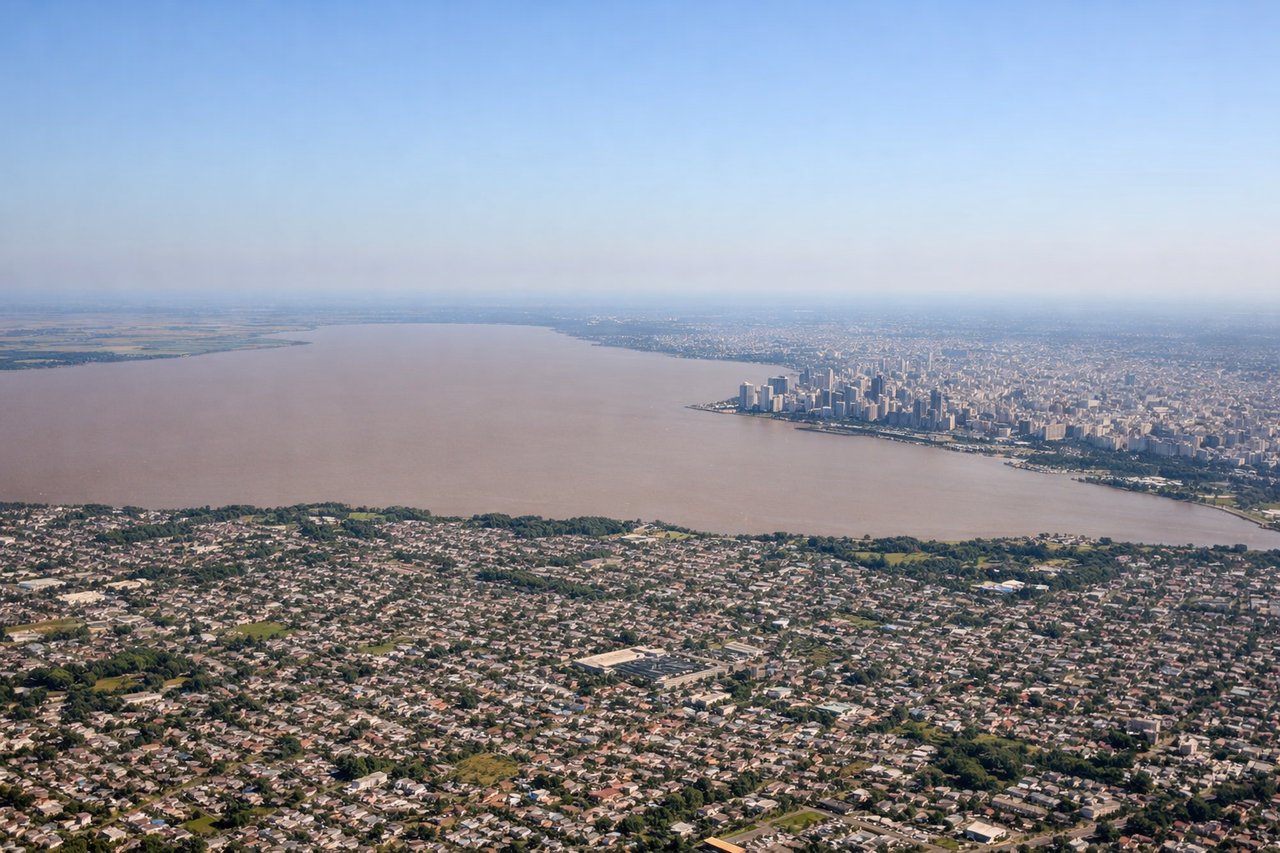
Takeoff from EZE
RIGHTEZE typically departs runway 09 (westbound) or 27 (eastbound). Right-side seats on an eastbound departure (27) offer views of the Río de la Plata estuary and the Buenos Aires metropolitan area spreading inland. Westbound departures (09) favor left seats, but eastbound is more common for long-haul international flights.
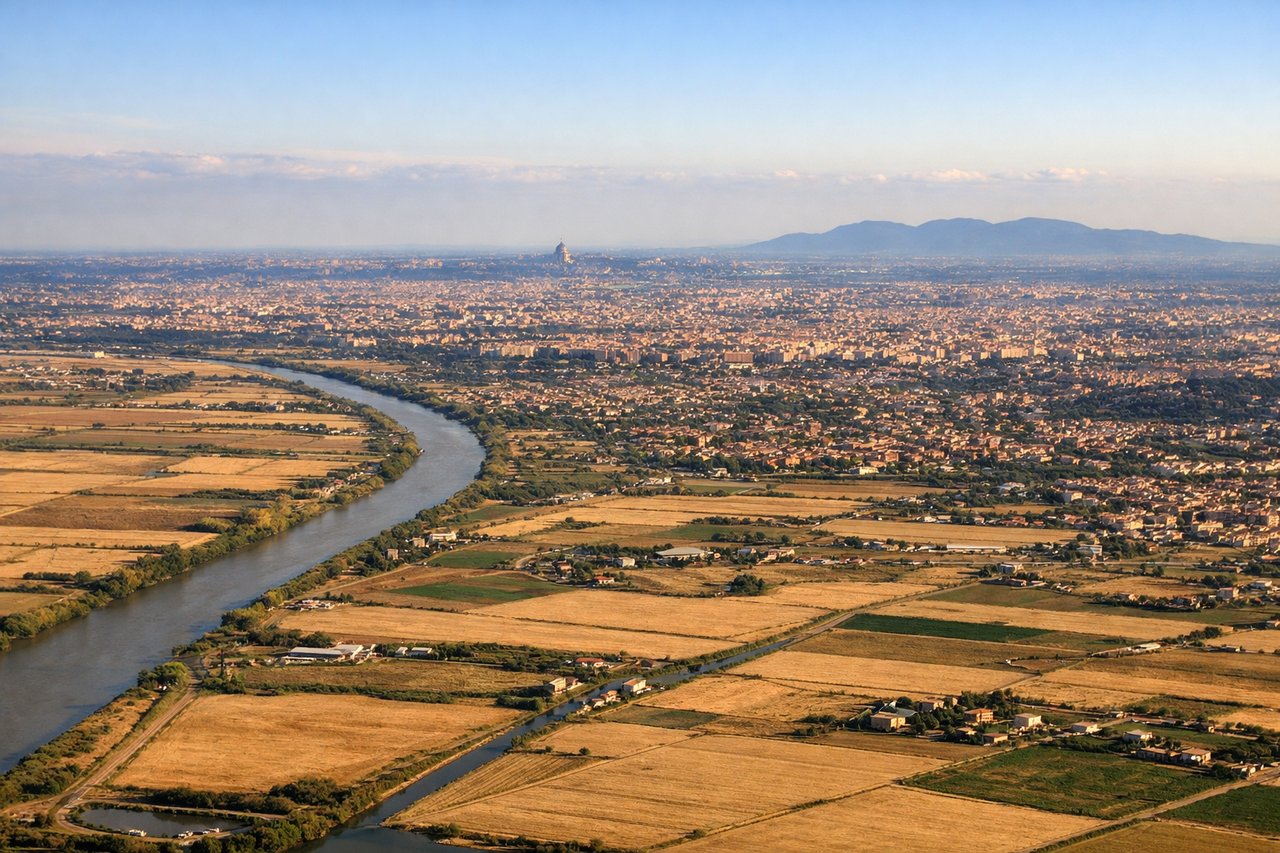
Landing at FCO
LEFTFCO (Fiumicino) typically uses runways 16L/16R (northbound) or 34L/34R (southbound) depending on wind. Northbound approaches (16L/16R) favor left-side views of the Tyrrhenian Sea and the Roman coastline. Southbound approaches (34L/34R) also favor left seats for views of the Tiber River delta and coastal features during descent.
Will your flight be in sunlight?
Pick a date and time in the Sun Map to watch the sun move across your whole flight.
About This Route
Which side of the plane should I sit on flying from Ezeiza Ministro Pistarini (EZE) to Fiumicino (FCO)?
Sit on the Left side of the plane for the best views on flights from Buenos Aires to Rome. While takeoff favors the right, the landing approach into FCO offers more dramatic and sustained views from the left—the Tyrrhenian Sea, Tiber delta, and Rome's approach are more visually rewarding than the Buenos Aires departure. Left-side passengers get the better overall experience.
What can I see during takeoff from Ezeiza Ministro Pistarini in Buenos Aires?
During takeoff from Ezeiza Ministro Pistarini (EZE), sit on the Right side for the best views. EZE typically departs runway 09 (westbound) or 27 (eastbound). Right-side seats on an eastbound departure (27) offer views of the Río de la Plata estuary and the Buenos Aires metropolitan area spreading inland. Westbound departures (09) favor left seats, but eastbound is more common for long-haul international flights. Notable sights include: Río de la Plata (wide brown estuary immediately below during climb), Buenos Aires city grid (receding inland to the west), Tigre Delta (northern tributary system visible as waterways branching northeast).
What can I see when landing at Fiumicino in Rome?
When landing at Fiumicino (FCO), sit on the Left side for the best views. FCO (Fiumicino) typically uses runways 16L/16R (northbound) or 34L/34R (southbound) depending on wind. Northbound approaches (16L/16R) favor left-side views of the Tyrrhenian Sea and the Roman coastline. Southbound approaches (34L/34R) also favor left seats for views of the Tiber River delta and coastal features during descent. Notable sights include: Tyrrhenian Sea (blue water body to the west), Tiber River delta (branching waterways and marshland), Rome city sprawl (tan-gray urban area visible inland to the southeast), Castelli Romani hills (low ridgeline on the distant inland horizon).
How long is the flight from Buenos Aires to Rome?
The flight from Ezeiza Ministro Pistarini (EZE) to Fiumicino (FCO) takes about 14 hours. The shortest flight path between them is 6,932 miles (11,156 km); winds and air traffic control usually add a few percent.
What does the Buenos Aires to Rome flight path pass over?
The flight crosses the South Atlantic, passing over open ocean for most of the journey. Notable waypoints include the mid-Atlantic ridge region (no visible surface features), the African coast near Senegal/Mauritania (visible as tan desert meeting blue ocean on the right side during daylight crossing), the Iberian Peninsula (visible on approach to Europe—the Strait of Gibraltar, Spanish coast, and Portuguese interior), and the Mediterranean basin (the Italian coastline and Tyrrhenian Sea become visible in the final descent phase).