Fresno to Seattle is 749 miles (1,206 km), a flight of about 2 hours 10 minutes.
The right side wins across the whole flight: Sierra Nevada peaks at takeoff, the chain of Cascade volcanoes (Shasta, Jefferson, Hood) visible during cruise along the I-5 corridor, and Mount Rainier dominating the final approach into Seattle.
Flight Path
Mount Shasta, Cascade Range volcanic peaks (Mount McLoughlin, Mount Jefferson, Mount Hood), Willamette Valley, Columbia River Gorge
Great circle distance and headings ›


Phase by phase
Takeoff from FAT
RIGHTDeparting FAT to the northwest, the right side faces east toward the Sierra Nevada foothills rising above the Central Valley haze, a dramatic contrast to the flat farmland on the left.
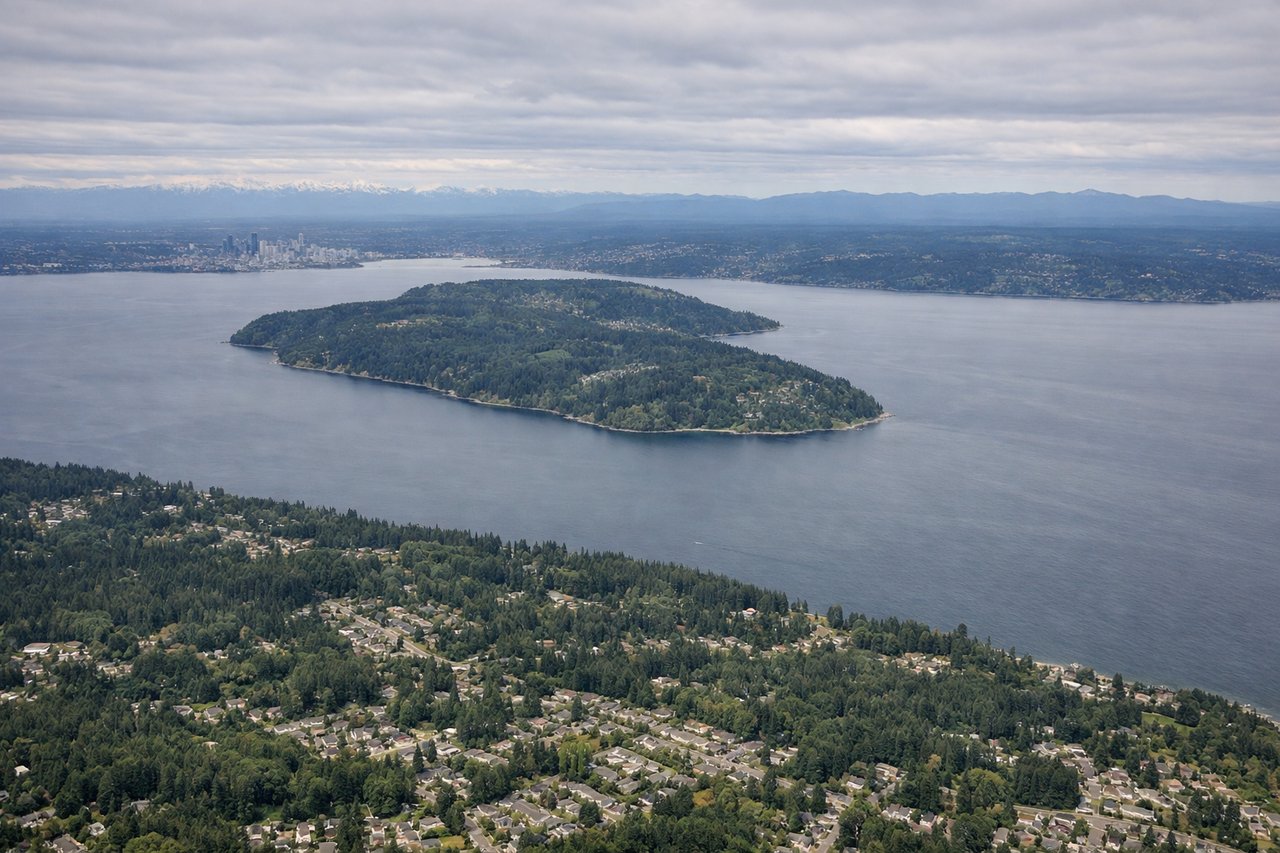
Landing at SEA
RIGHTOn approach into SEA from the south, the right side offers views of Mount Rainier's massive glaciated summit and the Cascade foothills, a far more dramatic scene than the flatter terrain typically visible on the left during final approach.
Landmarks on this routeAll landmarks →
Will your flight be in sunlight?
Pick a date and time in the Sun Map to watch the sun move across your whole flight.
About This Route
Which side of the plane should I sit on flying from Fresno Yosemite International (FAT) to Seattle Tacoma International (SEA)?
Sit on the Right side of the plane for the best views on flights from Fresno to Seattle. The right side wins across the whole flight: Sierra Nevada peaks at takeoff, the chain of Cascade volcanoes (Shasta, Jefferson, Hood) visible during cruise along the I-5 corridor, and Mount Rainier dominating the final approach into Seattle.
What can I see during takeoff from Fresno Yosemite International in Fresno?
During takeoff from Fresno Yosemite International (FAT), sit on the Right side for the best views. Departing FAT to the northwest, the right side faces east toward the Sierra Nevada foothills rising above the Central Valley haze, a dramatic contrast to the flat farmland on the left. Notable sights include: Sierra Nevada foothills, Kings Canyon high country, Central Valley farmland patchwork.
What can I see when landing at Seattle Tacoma International in Seattle?
When landing at Seattle Tacoma International (SEA), sit on the Right side for the best views. On approach into SEA from the south, the right side offers views of Mount Rainier's massive glaciated summit and the Cascade foothills, a far more dramatic scene than the flatter terrain typically visible on the left during final approach. Notable sights include: Mount Rainier, Cascade foothills, Green River valley.
How long is the flight from Fresno to Seattle?
The flight from Fresno Yosemite International (FAT) to Seattle Tacoma International (SEA) takes about 2 hours 10 minutes. The shortest flight path between them is 749 miles (1,206 km); winds and air traffic control usually add a few percent.
What does the Fresno to Seattle flight path pass over?
Mount Shasta, Cascade Range volcanic peaks (Mount McLoughlin, Mount Jefferson, Mount Hood), Willamette Valley, Columbia River Gorge