While takeoff favors the left for Alpine views, the landing approach over Iceland's unique volcanic landscape is more visually distinctive and memorable. Right-side seats capture the dramatic Reykjanes lava fields during descent, which are geologically striking and rarely seen from other routes.
Flight Path
The flight path crosses the Alps (visible ~1 hour after departure if weather permits—Mont Blanc and Gran Paradiso on the left side), then the Bay of Biscay and Celtic Sea. Around midpoint, you'll be over the Atlantic west of Ireland. The final 90 minutes approach Iceland from the southeast, with the Mid-Atlantic Ridge system underwater but the volcanic landscape of Iceland itself becoming visible ~200 miles out. Reykjanes Peninsula's lava fields dominate the final 30 minutes of descent.
Great circle distance and headings ›
.jpg?width=600)

.jpg?width=600)


Phase by phase
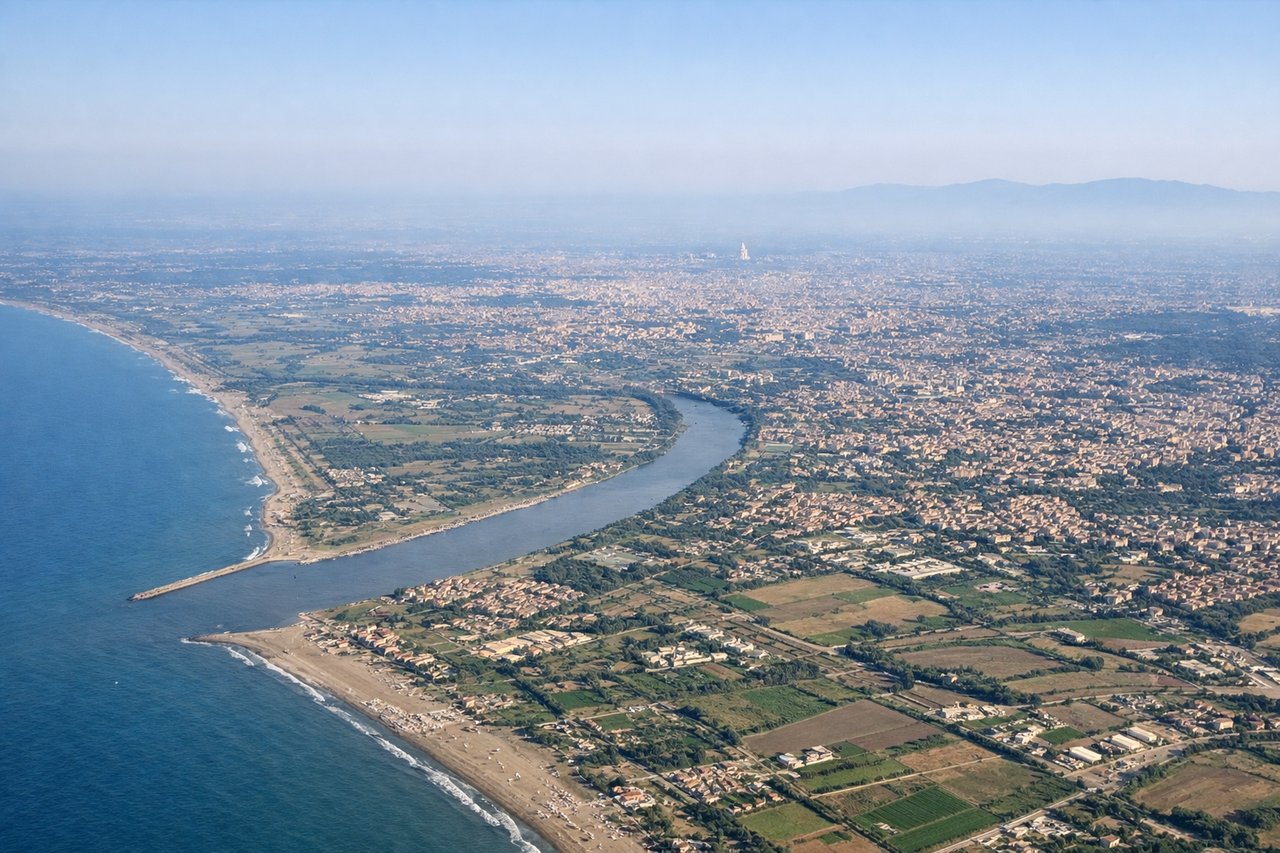
Takeoff from FCO
LEFTFCO typically departs runway 16L/34R (magnetic heading ~160°/340°). Left-side seats face northwest on departure, directly toward the Apennine Mountains and the Tiber River valley. Right seats look southeast over flat coastal plains with less dramatic relief.
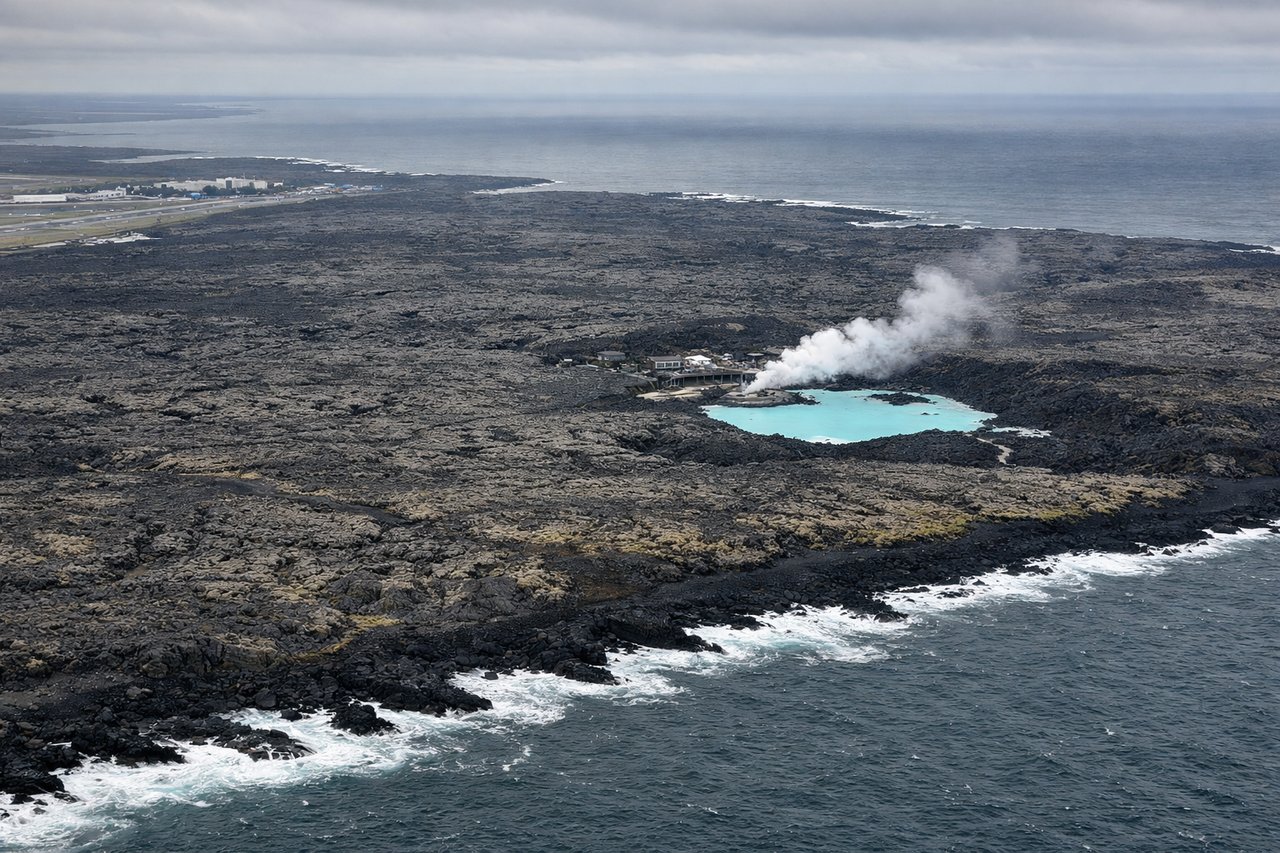
Landing at KEF
RIGHTKEF uses runway 02/20 (magnetic heading ~020°/200°). Approaching from the southeast on runway 02, right-side seats face northeast toward the Reykjanes Peninsula's dramatic lava fields and the Atlantic coastline. Left seats see only open ocean and distant highlands.
Landmarks on this routeAll landmarks →
Will your flight be in sunlight?
See exactly which side of the plane gets sun and shade at your departure time.
About This Route
Which side of the plane should I sit on flying from Fiumicino (FCO) to Keflavik Nas (KEF)?
Sit on the Right side of the plane for the best views on flights from Rome to Keflavik. While takeoff favors the left for Alpine views, the landing approach over Iceland's unique volcanic landscape is more visually distinctive and memorable. Right-side seats capture the dramatic Reykjanes lava fields during descent, which are geologically striking and rarely seen from other routes.
What can I see during takeoff from Fiumicino in Rome?
During takeoff from Fiumicino (FCO), sit on the Left side for the best views. FCO typically departs runway 16L/34R (magnetic heading ~160°/340°). Left-side seats face northwest on departure, directly toward the Apennine Mountains and the Tiber River valley. Right seats look southeast over flat coastal plains with less dramatic relief. Notable sights include: Tiber River winding through Rome's northern suburbs, Apennine Mountains rising to the northwest (Monte Cimini visible ~40 miles distant), Castelli Romani hills to the southeast, Lake Bracciano as a small glint ~25 miles northwest.
What can I see when landing at Keflavik Nas in Keflavik?
When landing at Keflavik Nas (KEF), sit on the Right side for the best views. KEF uses runway 02/20 (magnetic heading ~020°/200°). Approaching from the southeast on runway 02, right-side seats face northeast toward the Reykjanes Peninsula's dramatic lava fields and the Atlantic coastline. Left seats see only open ocean and distant highlands. Notable sights include: Reykjanes Peninsula lava fields (dark, textured volcanic terrain), Atlantic Ocean with visible wave patterns, Keflavik town and harbor, distant Snæfellsjökull glacier (~40 miles northwest, weather permitting).
How long is the flight from Rome to Keflavik?
The flight from Fiumicino (FCO) to Keflavik Nas (KEF) takes Approximately 4 hours 15 minutes.
What does the Rome to Keflavik flight path pass over?
The flight path crosses the Alps (visible ~1 hour after departure if weather permits—Mont Blanc and Gran Paradiso on the left side), then the Bay of Biscay and Celtic Sea. Around midpoint, you'll be over the Atlantic west of Ireland. The final 90 minutes approach Iceland from the southeast, with the Mid-Atlantic Ridge system underwater but the volcanic landscape of Iceland itself becoming visible ~200 miles out. Reykjanes Peninsula's lava fields dominate the final 30 minutes of descent.