Both sides score equally for the cruise phase over flat-to-gently-rolling terrain with limited dramatic features. However, the right side edges ahead due to the superior takeoff experience: Gothenburg's harbor and archipelago provide genuine visual interest during climb-out, while the left side's landing approach, though pleasant, occurs over relatively monotonous suburban sprawl. The Kattegat coastal departure is the flight's most scenic moment.
Flown GOT to BRU? Did we get it right?
Flight Path
Gothenborg to Brussels is 562 miles (905 km), a flight of about 1 hour 50 minutes.
Kattegat Sea (Denmark-Sweden border waters), Danish landmass (Jutland peninsula visible to the left during cruise), transition from Scandinavian shield terrain to North European Plain, scattered lakes and forests of southern Sweden and northern Germany, gradual lowering of terrain elevation toward Belgium
Great circle distance and headings ›Phase by phase
Takeoff from GOT
RIGHTRunway 21 departure (southwest) from Landvetter provides immediate views of Gothenburg's harbor and archipelago. The right side captures the coastal landscape as the aircraft climbs over the Kattegat, with islands and waterways visible during the initial turn.
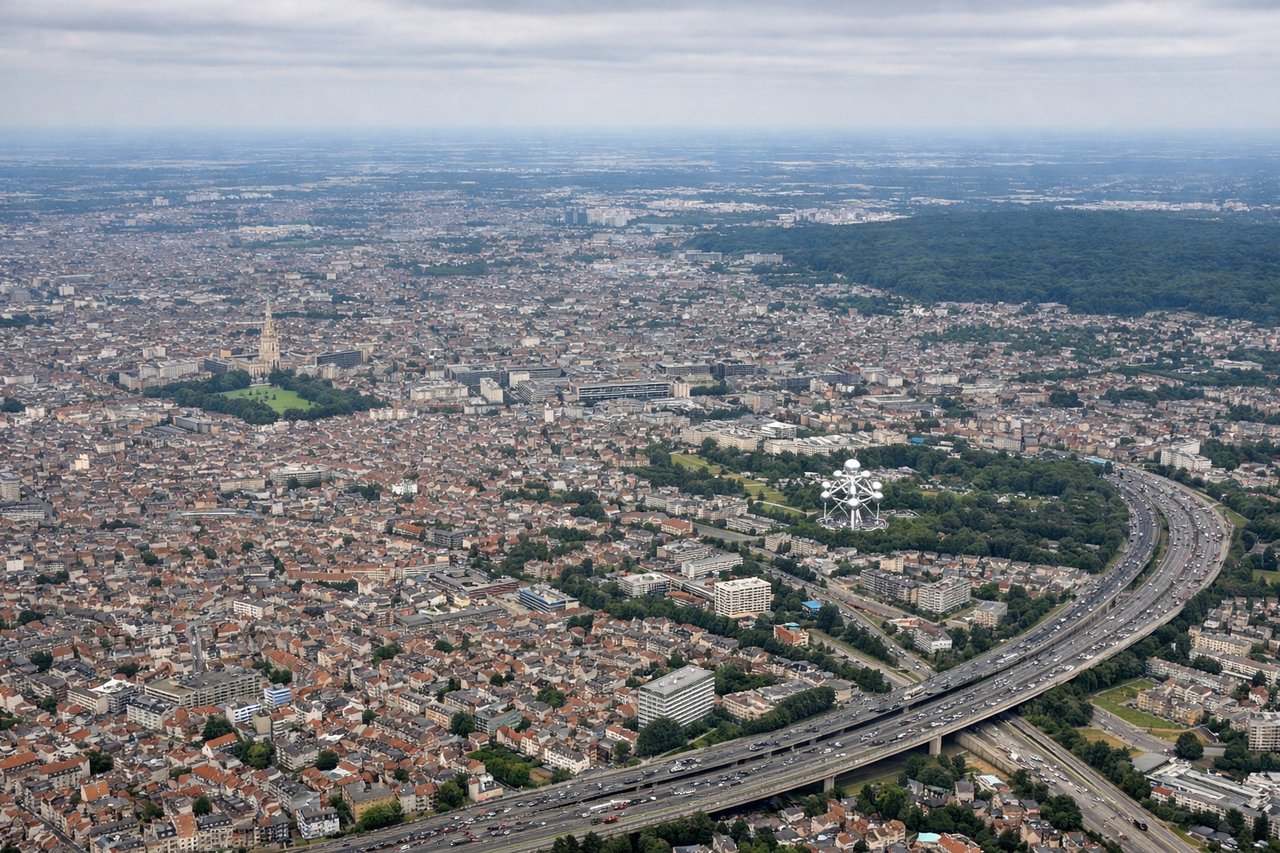
Landing at BRU
LEFTApproach to Brussels typically uses runways 25L/25R from the southeast. Left-side passengers see the Meuse River valley, Belgian countryside, and the gradual transition from rural Flanders to Brussels's urban sprawl. The descent path offers views of the river's meandering course and suburban development patterns.
Will your flight be in sunlight?
Pick a date and time in the Sun Map to watch the sun move across your whole flight.
About This Route
Which side of the plane should I sit on flying from Landvetter (GOT) to Brussels Natl (BRU)?
Sit on the Right side of the plane for the best views on flights from Gothenborg to Brussels. Both sides score equally for the cruise phase over flat-to-gently-rolling terrain with limited dramatic features. However, the right side edges ahead due to the superior takeoff experience: Gothenburg's harbor and archipelago provide genuine visual interest during climb-out, while the left side's landing approach, though pleasant, occurs over relatively monotonous suburban sprawl. The Kattegat coastal departure is the flight's most scenic moment.
What can I see during takeoff from Landvetter in Gothenborg?
During takeoff from Landvetter (GOT), sit on the Right side for the best views. Runway 21 departure (southwest) from Landvetter provides immediate views of Gothenburg's harbor and archipelago. The right side captures the coastal landscape as the aircraft climbs over the Kattegat, with islands and waterways visible during the initial turn. Notable sights include: Gothenburg harbor and inner archipelago, Kattegat coastline, scattered Swedish skerries and islands.
What can I see when landing at Brussels Natl in Brussels?
When landing at Brussels Natl (BRU), sit on the Left side for the best views. Approach to Brussels typically uses runways 25L/25R from the southeast. Left-side passengers see the Meuse River valley, Belgian countryside, and the gradual transition from rural Flanders to Brussels's urban sprawl. The descent path offers views of the river's meandering course and suburban development patterns. Notable sights include: Meuse River valley and its tributaries, Brussels metropolitan area sprawl, Flemish agricultural plains, suburban Brussels neighborhoods.
How long is the flight from Gothenborg to Brussels?
The flight from Landvetter (GOT) to Brussels Natl (BRU) takes about 1 hour 50 minutes. The shortest flight path between them is 562 miles (905 km); winds and air traffic control usually add a few percent.
What does the Gothenborg to Brussels flight path pass over?
Kattegat Sea (Denmark-Sweden border waters), Danish landmass (Jutland peninsula visible to the left during cruise), transition from Scandinavian shield terrain to North European Plain, scattered lakes and forests of southern Sweden and northern Germany, gradual lowering of terrain elevation toward Belgium