Both sides spend the bulk of the flight over the vast, low-relief taiga and tundra of Siberia, keeping scores modest overall. The right side pulls ahead because the Narita approach offers a genuinely striking payoff — Tokyo Bay, the city skyline, and Mount Fuji on the horizon — which outweighs the more modest Helsinki-area views on departure.
Flight Path
Helsinki to Tokyo is 4,865 miles (7,829 km), a flight of about 9 hours 20 minutes.
The route's highest latitude section crosses the remote Central Siberian Plateau near 62-63°N, over the Yenisei River basin and endless boreal taiga and tundra, before curving southeast across eastern Siberia toward the Sea of Japan.
Great circle distance and headings ›

Phase by phase
Takeoff from HEL
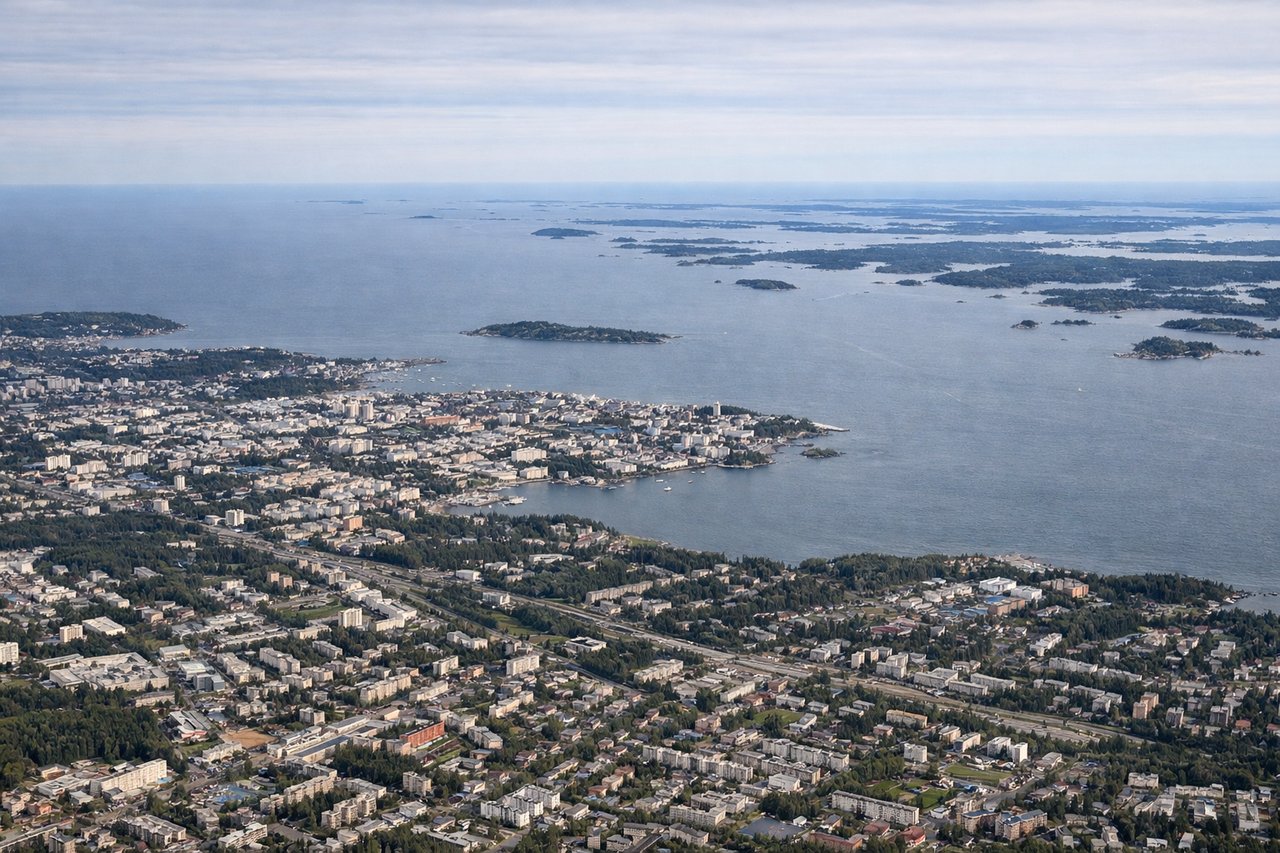
LEFTDeparting HEL toward the northeast requires a turn back over Helsinki and the coast to line up on the great-circle track toward Russia. Passengers on the left side get a sweeping view of the city center, South Harbor, and the Gulf of Finland's archipelago islands as the aircraft banks through the turn.
Landing at NRT
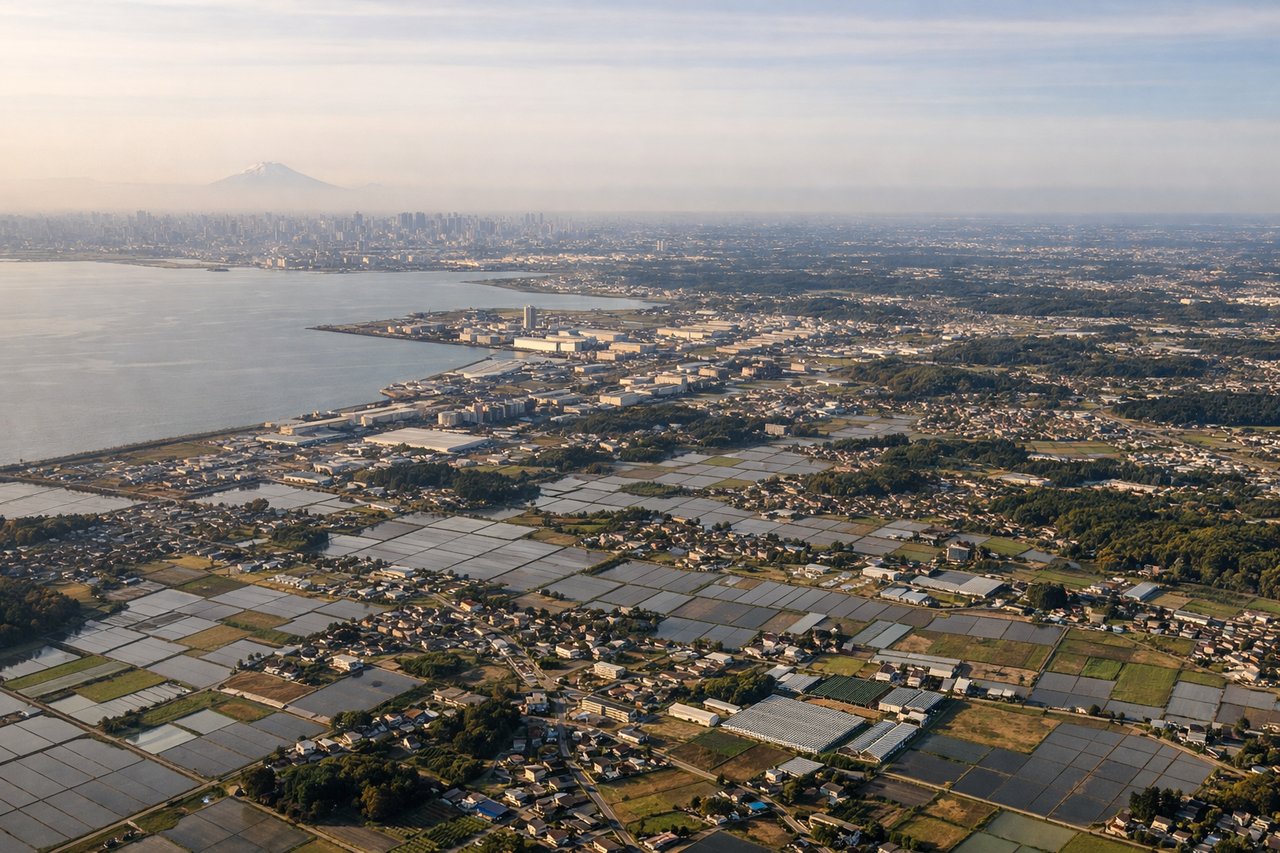
RIGHTOn the descent into Narita from the north, the flight path crosses Ibaraki and Chiba prefectures with Tokyo Bay and the city skyline visible to the west. On clear days, Mount Fuji's distinctive cone is visible on the horizon beyond Tokyo, giving the right side a much stronger finale than the flat farmland and Pacific coastline on the left.
Landmarks on this routeAll landmarks →
Will your flight be in sunlight?
Pick a date and time in the Sun Map to watch the sun move across your whole flight.
About This Route
Which side of the plane should I sit on flying from Helsinki Vantaa (HEL) to New Tokyo International (NRT)?
Sit on the Right side of the plane for the best views on flights from Helsinki to Tokyo. Both sides spend the bulk of the flight over the vast, low-relief taiga and tundra of Siberia, keeping scores modest overall. The right side pulls ahead because the Narita approach offers a genuinely striking payoff — Tokyo Bay, the city skyline, and Mount Fuji on the horizon — which outweighs the more modest Helsinki-area views on departure.
What can I see during takeoff from Helsinki Vantaa in Helsinki?
During takeoff from Helsinki Vantaa (HEL), sit on the Left side for the best views. Departing HEL toward the northeast requires a turn back over Helsinki and the coast to line up on the great-circle track toward Russia. Passengers on the left side get a sweeping view of the city center, South Harbor, and the Gulf of Finland's archipelago islands as the aircraft banks through the turn. Notable sights include: Helsinki city center, South Harbor and Market Square, Gulf of Finland archipelago islands, Suomenlinna fortress island.
What can I see when landing at New Tokyo International in Tokyo?
When landing at New Tokyo International (NRT), sit on the Right side for the best views. On the descent into Narita from the north, the flight path crosses Ibaraki and Chiba prefectures with Tokyo Bay and the city skyline visible to the west. On clear days, Mount Fuji's distinctive cone is visible on the horizon beyond Tokyo, giving the right side a much stronger finale than the flat farmland and Pacific coastline on the left. Notable sights include: Mount Fuji, Tokyo Bay and Tokyo skyline, Chiba Peninsula countryside, Tone River delta.
How long is the flight from Helsinki to Tokyo?
The flight from Helsinki Vantaa (HEL) to New Tokyo International (NRT) takes about 9 hours 20 minutes. The shortest flight path between them is 4,865 miles (7,829 km); winds and air traffic control usually add a few percent.
What does the Helsinki to Tokyo flight path pass over?
The route's highest latitude section crosses the remote Central Siberian Plateau near 62-63°N, over the Yenisei River basin and endless boreal taiga and tundra, before curving southeast across eastern Siberia toward the Sea of Japan.