While takeoff slightly favors the left with Helsinki's coastline, the right side wins overall thanks to the Alpine foothills, Dinaric Alps, and dramatic Adriatic coastal approach into Split, which offer far more terrain variety and landmark density than the flatter inland views on the left.
Flight Path
Baltic coastline of Poland, the North European Plain, Carpathian and Alpine foothills near the Austria-Slovenia border, and the karst terrain of the Dinaric Alps leading into the Adriatic coast
Great circle distance and headings ›.jpg?width=600)

Phase by phase
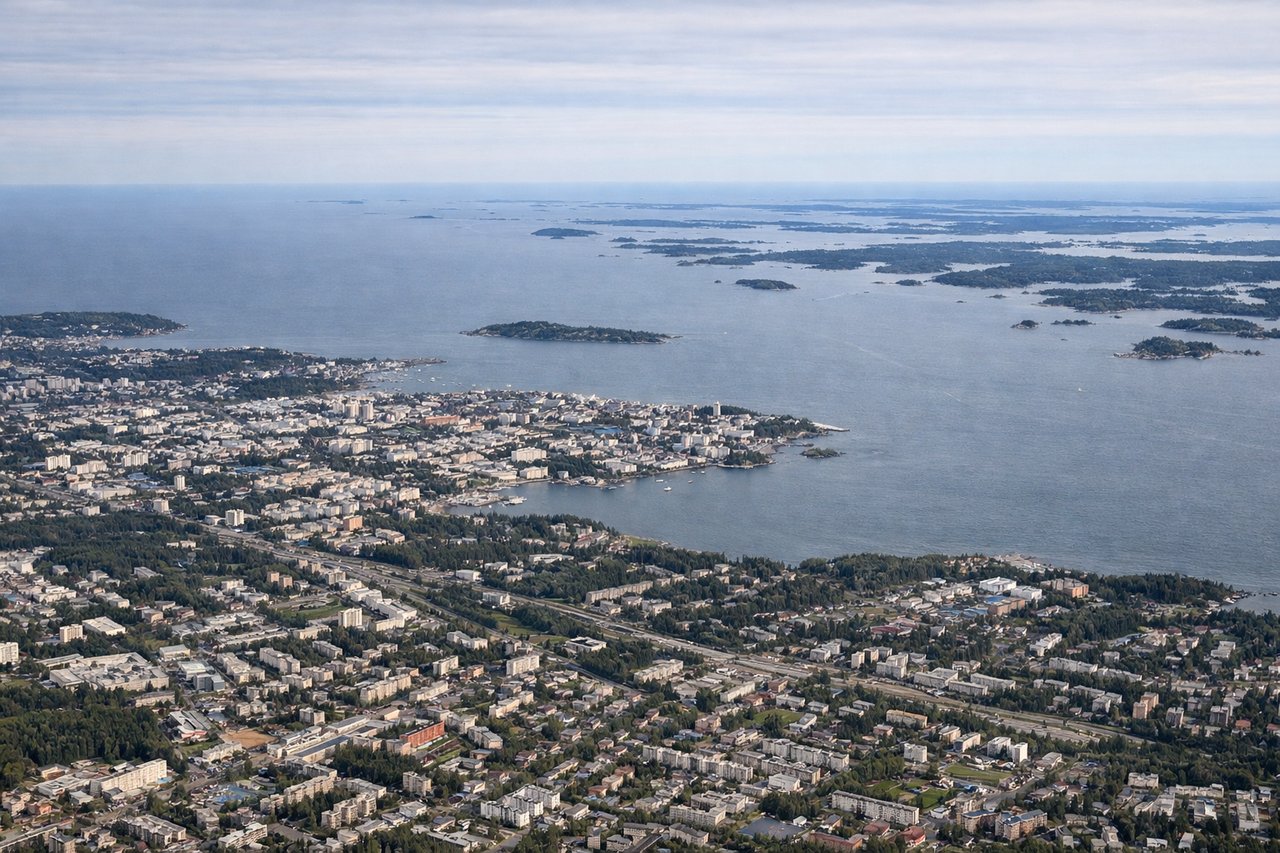
Takeoff from HEL
LEFTDeparting Helsinki-Vantaa on the southbound track, the left side offers a brief view of the city skyline and the Gulf of Finland's island-studded coastline before the aircraft climbs over flat Finnish forestland. The right side shows only inland lakes and woods with no coastline.
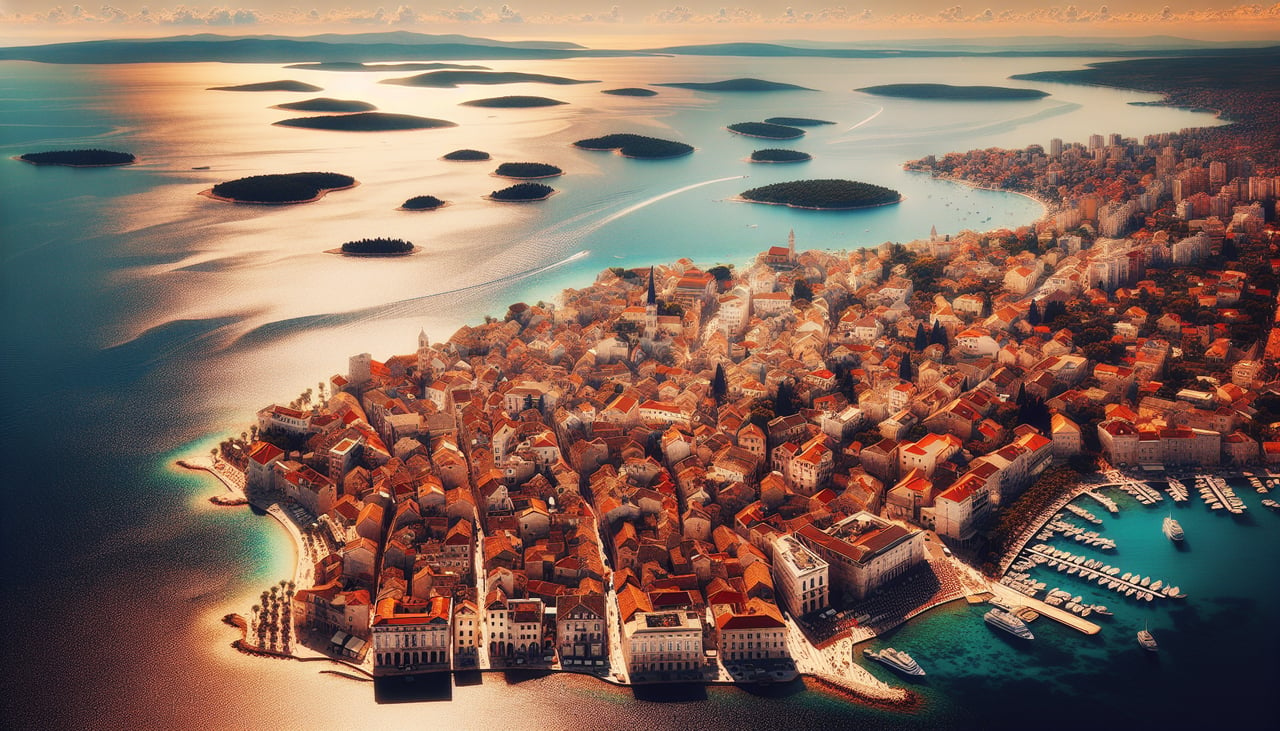
Landing at SPU
RIGHTOn approach into Split, the descent path crosses the Dinaric Alps and the rugged Dalmatian coastline, with the Adriatic Sea and islands like Brač and Šolta visible to the right before the turn onto final for runway 23 toward the sea. The left side mostly shows inland karst plateau with less visual variety.
Landmarks on this routeAll landmarks →
Will your flight be in sunlight?
See exactly which side of the plane gets sun and shade at your departure time.
About This Route
Which side of the plane should I sit on flying from Helsinki Vantaa (HEL) to Split (SPU)?
Sit on the Right side of the plane for the best views on flights from Helsinki to Split. While takeoff slightly favors the left with Helsinki's coastline, the right side wins overall thanks to the Alpine foothills, Dinaric Alps, and dramatic Adriatic coastal approach into Split, which offer far more terrain variety and landmark density than the flatter inland views on the left.
What can I see during takeoff from Helsinki Vantaa in Helsinki?
During takeoff from Helsinki Vantaa (HEL), sit on the Left side for the best views. Departing Helsinki-Vantaa on the southbound track, the left side offers a brief view of the city skyline and the Gulf of Finland's island-studded coastline before the aircraft climbs over flat Finnish forestland. The right side shows only inland lakes and woods with no coastline. Notable sights include: Helsinki city center, Gulf of Finland, Suomenlinna archipelago, Finnish lake-forest mosaic.
What can I see when landing at Split in Split?
When landing at Split (SPU), sit on the Right side for the best views. On approach into Split, the descent path crosses the Dinaric Alps and the rugged Dalmatian coastline, with the Adriatic Sea and islands like Brač and Šolta visible to the right before the turn onto final for runway 23 toward the sea. The left side mostly shows inland karst plateau with less visual variety. Notable sights include: Dinaric Alps foothills, Kozjak mountain ridge, Adriatic Sea, Brač and Šolta islands.
How long is the flight from Helsinki to Split?
The flight from Helsinki Vantaa (HEL) to Split (SPU) takes 2h 55m.
What does the Helsinki to Split flight path pass over?
Baltic coastline of Poland, the North European Plain, Carpathian and Alpine foothills near the Austria-Slovenia border, and the karst terrain of the Dinaric Alps leading into the Adriatic coast