While takeoff offers good coastal views, the right side captures more dramatic and varied scenery throughout the flight—the Adriatic islands during climb, the Alpine foothills and Danube basin in mid-flight, and the Finnish archipelago during descent. Right seats provide more consistent visual interest across the entire route.
Flight Path
The flight path crosses the Alps (visible as a distant ridge during mid-flight at cruising altitude), the Danube River basin in Hungary and Austria, and numerous Central European lakes. The Pannonian Plain dominates the middle section of the route. As the aircraft progresses northeast, the terrain gradually flattens toward the Baltic region, with increasing forest coverage visible over Poland and into Finland.
Great circle distance and headings ›
.jpg?width=600)
Phase by phase
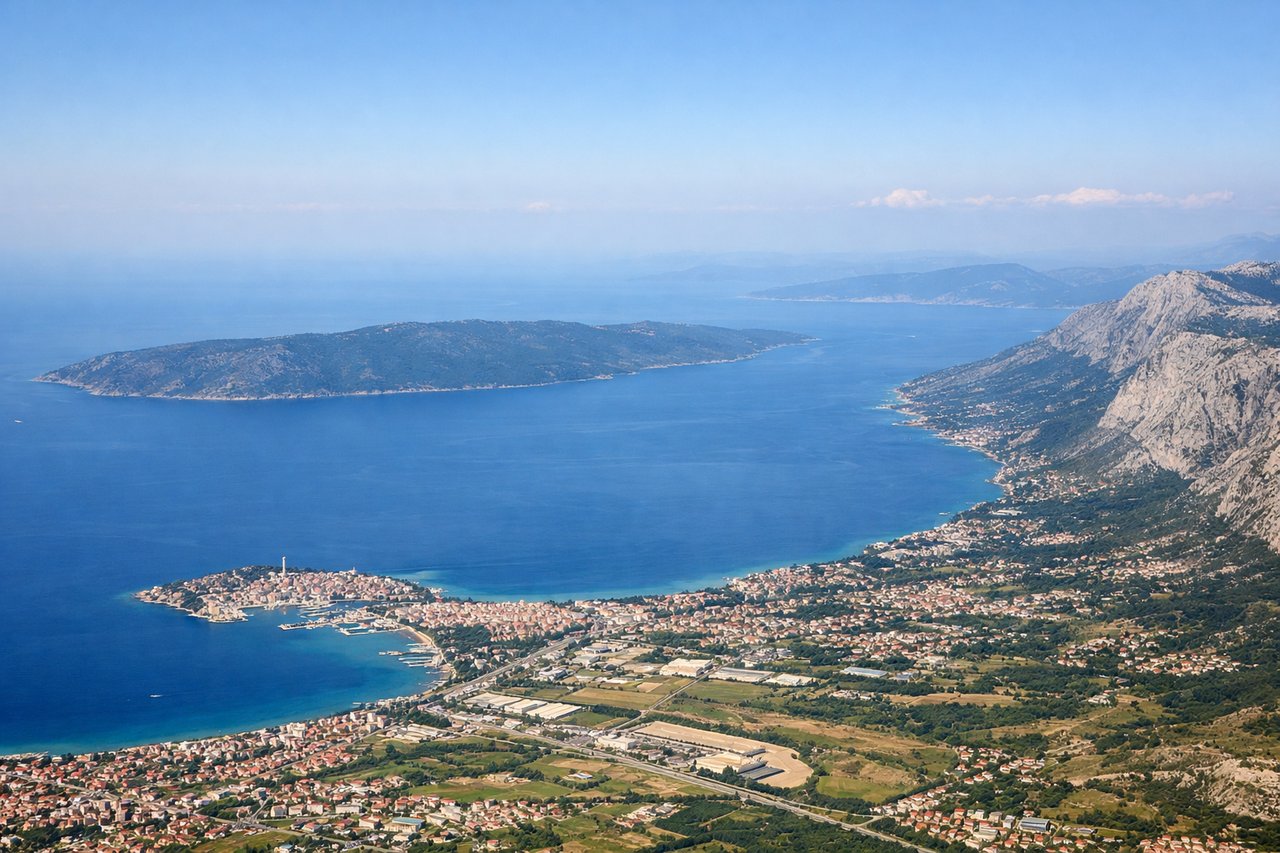
Takeoff from SPU
LEFTLeft side offers immediate views of the Dalmatian coastline and the Adriatic Sea as the aircraft climbs northwestward. You'll see the rocky islands and peninsulas that characterize this region receding beneath the wing.
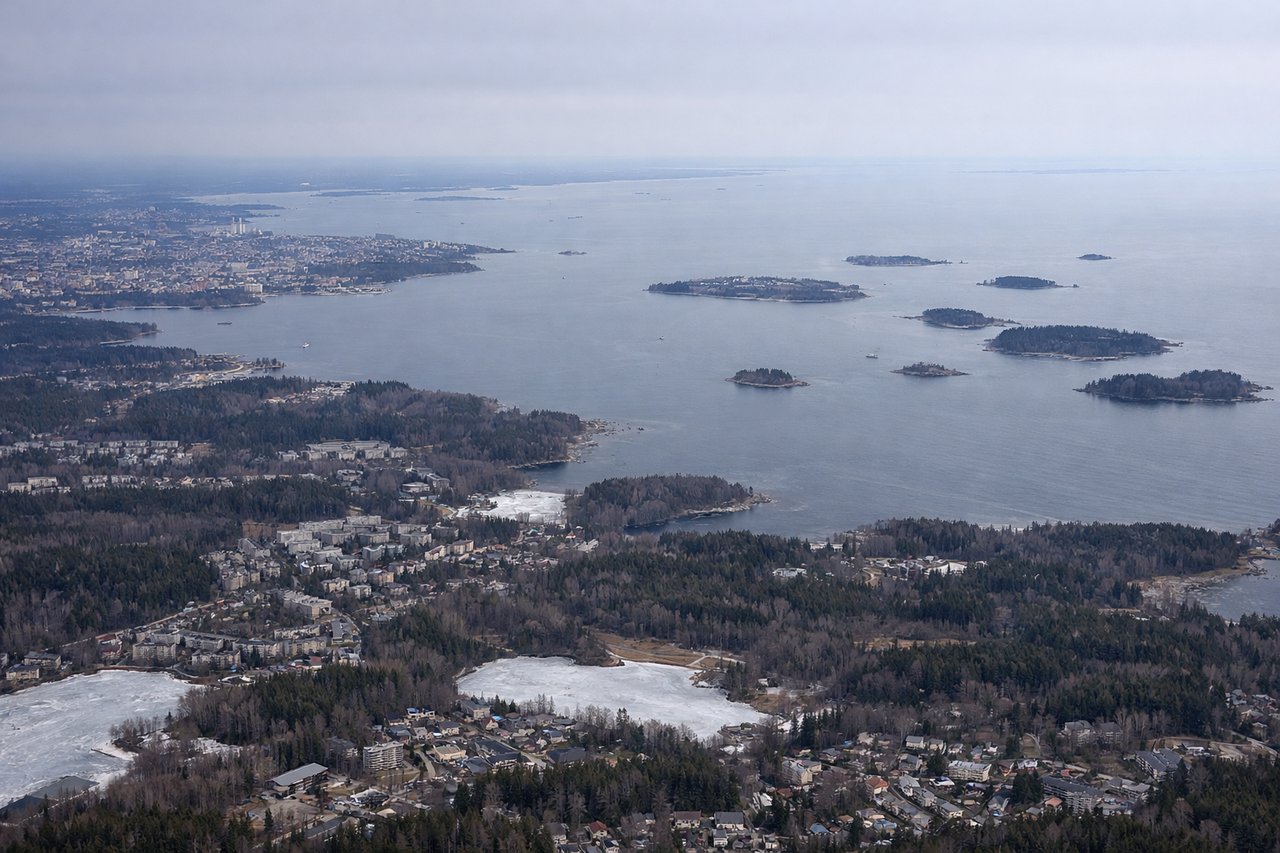
Landing at HEL
RIGHTRight side provides views of the Gulf of Finland and Helsinki's archipelago during descent. You'll see the city's islands, waterfront, and the broader Finnish landscape as you approach from the southwest.
Landmarks on this routeAll landmarks →
Will your flight be in sunlight?
See exactly which side of the plane gets sun and shade at your departure time.
About This Route
Which side of the plane should I sit on flying from Split (SPU) to Helsinki Vantaa (HEL)?
Sit on the Right side of the plane for the best views on flights from Split to Helsinki. While takeoff offers good coastal views, the right side captures more dramatic and varied scenery throughout the flight—the Adriatic islands during climb, the Alpine foothills and Danube basin in mid-flight, and the Finnish archipelago during descent. Right seats provide more consistent visual interest across the entire route.
What can I see during takeoff from Split in Split?
During takeoff from Split (SPU), sit on the Left side for the best views. Left side offers immediate views of the Dalmatian coastline and the Adriatic Sea as the aircraft climbs northwestward. You'll see the rocky islands and peninsulas that characterize this region receding beneath the wing. Notable sights include: Adriatic Sea, Dalmatian limestone coast, Split harbor and city grid, nearby islands (Brač, Šolta).
What can I see when landing at Helsinki Vantaa in Helsinki?
When landing at Helsinki Vantaa (HEL), sit on the Right side for the best views. Right side provides views of the Gulf of Finland and Helsinki's archipelago during descent. You'll see the city's islands, waterfront, and the broader Finnish landscape as you approach from the southwest. Notable sights include: Gulf of Finland, Helsinki archipelago and islands, Baltic Sea coastline, Helsinki city center and harbor.
How long is the flight from Split to Helsinki?
The flight from Split (SPU) to Helsinki Vantaa (HEL) takes 3h 15m.
What does the Split to Helsinki flight path pass over?
The flight path crosses the Alps (visible as a distant ridge during mid-flight at cruising altitude), the Danube River basin in Hungary and Austria, and numerous Central European lakes. The Pannonian Plain dominates the middle section of the route. As the aircraft progresses northeast, the terrain gradually flattens toward the Baltic region, with increasing forest coverage visible over Poland and into Finland.