Right seats dominate the outbound leg with superior views of Tokyo Bay and Mount Fuji during departure. While left seats offer better Adelaide Hills scenery on arrival, the takeoff experience from Haneda is more visually rewarding and memorable.
Flight Path
The flight path crosses the Philippine Sea, passing south of the Izu Islands and Ogasawara Islands (visible on clear days during the first 2-3 hours). The mid-Pacific crossing offers open ocean with occasional cloud formations. Approaching Australian airspace, the flight passes east of the Great Barrier Reef region and over the Coral Sea. The descent into Adelaide crosses the South Australian interior—semi-arid scrubland and grassland with sparse settlement—before reaching the Mount Lofty Ranges.
Great circle distance and headings ›

Phase by phase
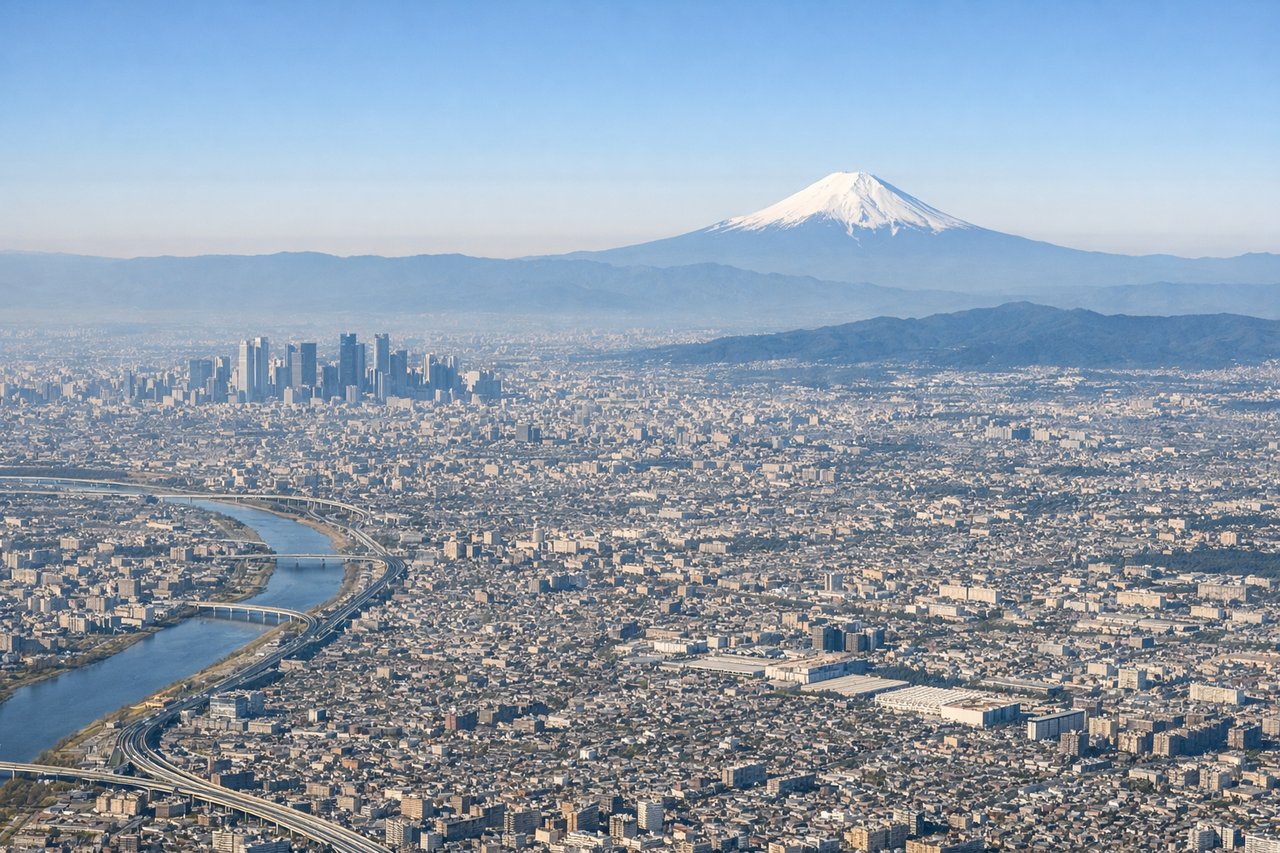
Takeoff from HND
RIGHTRight-side seats offer views of Tokyo Bay, the Kanto Plain, and Mount Fuji during the initial climb-out heading southeast from Haneda. Left seats face inland toward the urban sprawl with less distinctive geography.
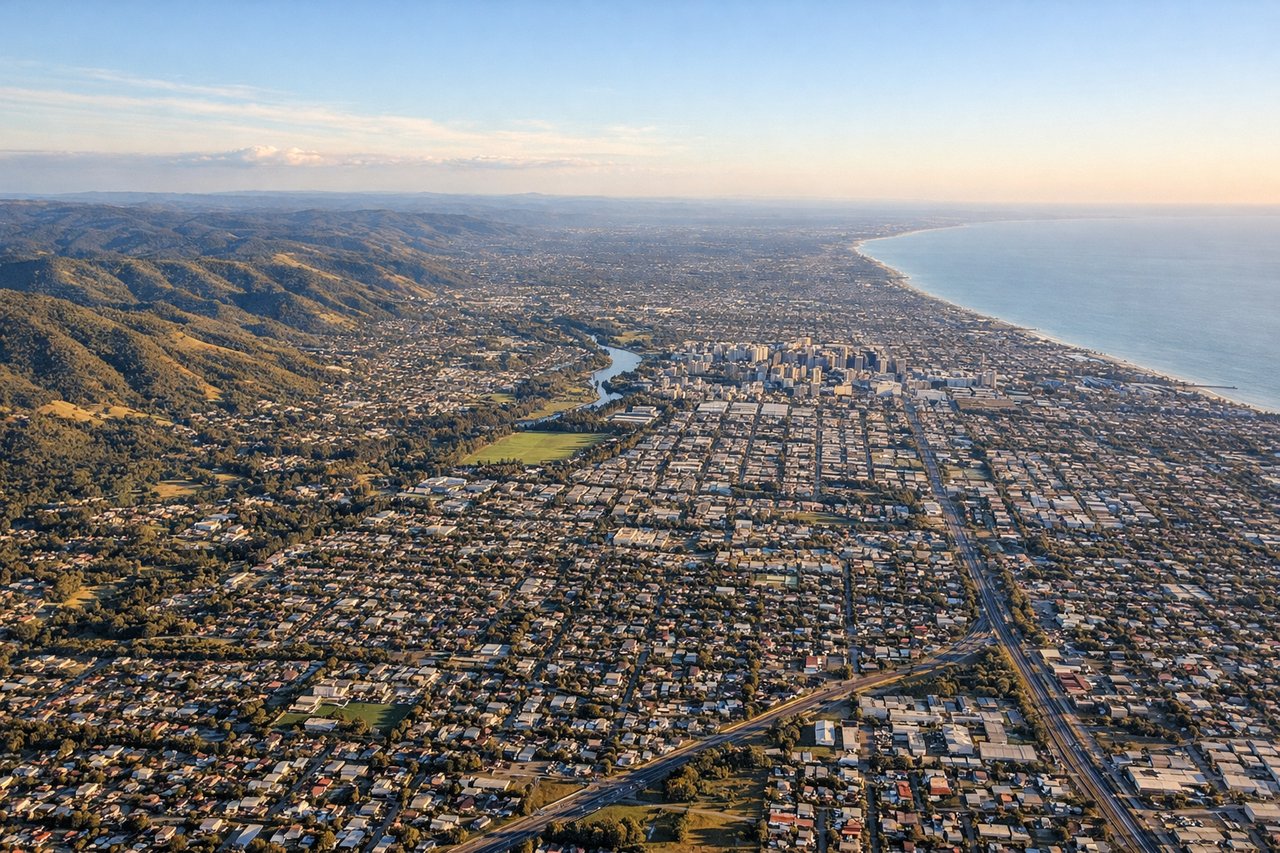
Landing at ADL
LEFTLeft-side seats provide views of the Adelaide Hills, the Barossa Valley region, and the approach over the Mount Lofty Ranges during descent into Adelaide. Right seats face the less dramatic inland plains.
Landmarks on this routeAll landmarks →
Will your flight be in sunlight?
See exactly which side of the plane gets sun and shade at your departure time.
About This Route
Which side of the plane should I sit on flying from Tokyo International (HND) to Adelaide International (ADL)?
Sit on the Right side of the plane for the best views on flights from Tokyo to Adelaide. Right seats dominate the outbound leg with superior views of Tokyo Bay and Mount Fuji during departure. While left seats offer better Adelaide Hills scenery on arrival, the takeoff experience from Haneda is more visually rewarding and memorable.
What can I see during takeoff from Tokyo International in Tokyo?
During takeoff from Tokyo International (HND), sit on the Right side for the best views. Right-side seats offer views of Tokyo Bay, the Kanto Plain, and Mount Fuji during the initial climb-out heading southeast from Haneda. Left seats face inland toward the urban sprawl with less distinctive geography. Notable sights include: Tokyo Bay (immediate foreground), Mount Fuji (distant southwest on clear days), Boso Peninsula (eastern shoreline), Kanto Plain urban grid.
What can I see when landing at Adelaide International in Adelaide?
When landing at Adelaide International (ADL), sit on the Left side for the best views. Left-side seats provide views of the Adelaide Hills, the Barossa Valley region, and the approach over the Mount Lofty Ranges during descent into Adelaide. Right seats face the less dramatic inland plains. Notable sights include: Mount Lofty Ranges (eastern approach), Adelaide Hills forested ridges, Barossa Valley agricultural patchwork, Gulf St. Vincent coastline (western approach).
How long is the flight from Tokyo to Adelaide?
The flight from Tokyo International (HND) to Adelaide International (ADL) takes 7h 50m.
What does the Tokyo to Adelaide flight path pass over?
The flight path crosses the Philippine Sea, passing south of the Izu Islands and Ogasawara Islands (visible on clear days during the first 2-3 hours). The mid-Pacific crossing offers open ocean with occasional cloud formations. Approaching Australian airspace, the flight passes east of the Great Barrier Reef region and over the Coral Sea. The descent into Adelaide crosses the South Australian interior—semi-arid scrubland and grassland with sparse settlement—before reaching the Mount Lofty Ranges.