The takeoff experience from Tokyo is superior—Mount Fuji, Tokyo Bay, and the Kanto Plain provide more dramatic and iconic scenery than the Dallas approach. While the landing offers urban and river views, the volcanic peak and coastal geography of Japan's departure outweigh the Texas plains arrival.
Flown HND to DAL? Did we get it right?
Flight Path
Tokyo to Dallas is 6,458 miles (10,394 km), a flight of about 11 hours 15 minutes.
The flight crosses the North Pacific, passing north of the Hawaiian Islands (typically 200+ miles north, not visible), then approaches the North American continent over the Pacific Northwest. Notable features include the Aleutian Islands chain (far north of typical routing), the Canadian Rocky Mountains and British Columbia coast (visible on clear days during the approach to North America), and the Sierra Nevada and Rocky Mountain ranges as the aircraft descends toward Texas.
Great circle distance and headings ›


Phase by phase
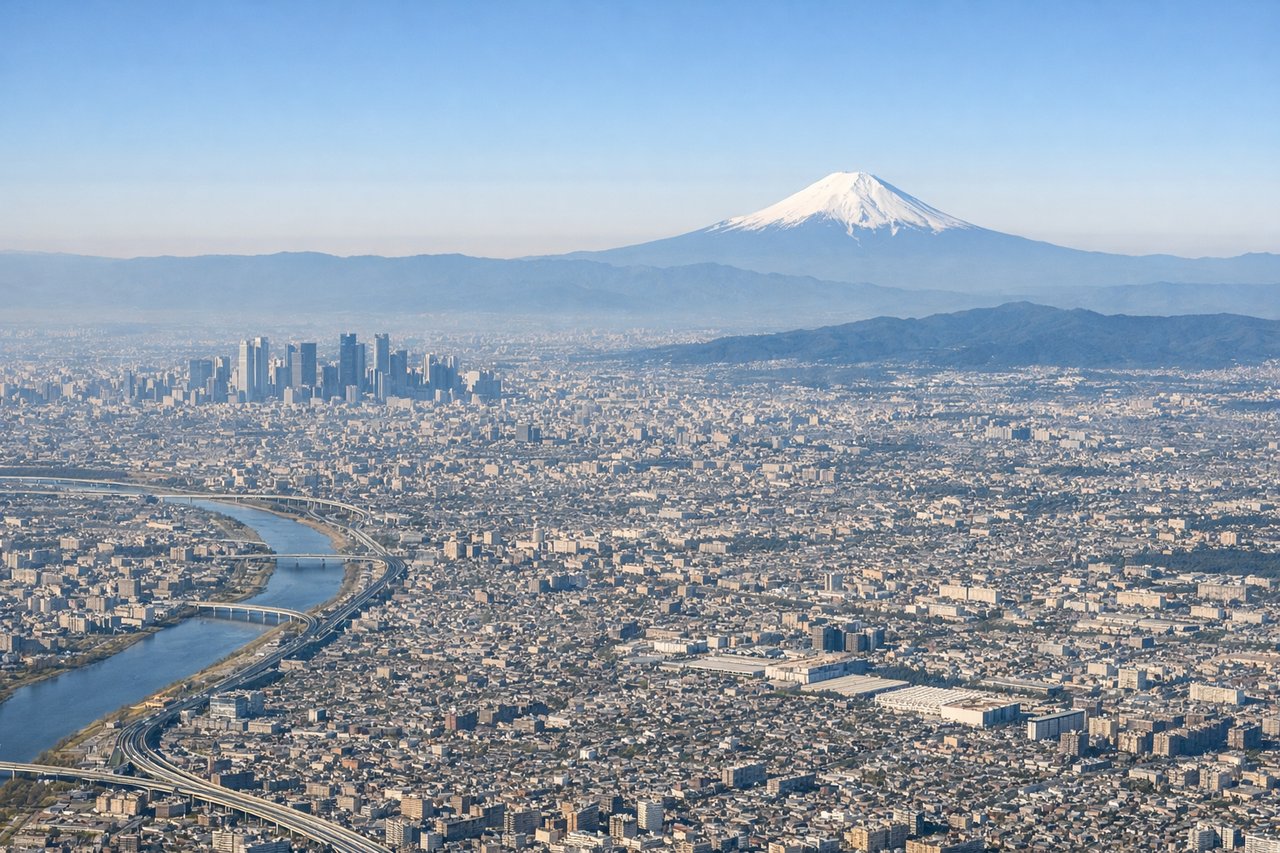
Takeoff from HND
RIGHTRight-side seats offer views of Tokyo Bay, the Kanto Plain, and Mount Fuji during the initial climb-out. The aircraft departs eastbound over water before turning northwest, giving right-side passengers the best vantage of these iconic features.
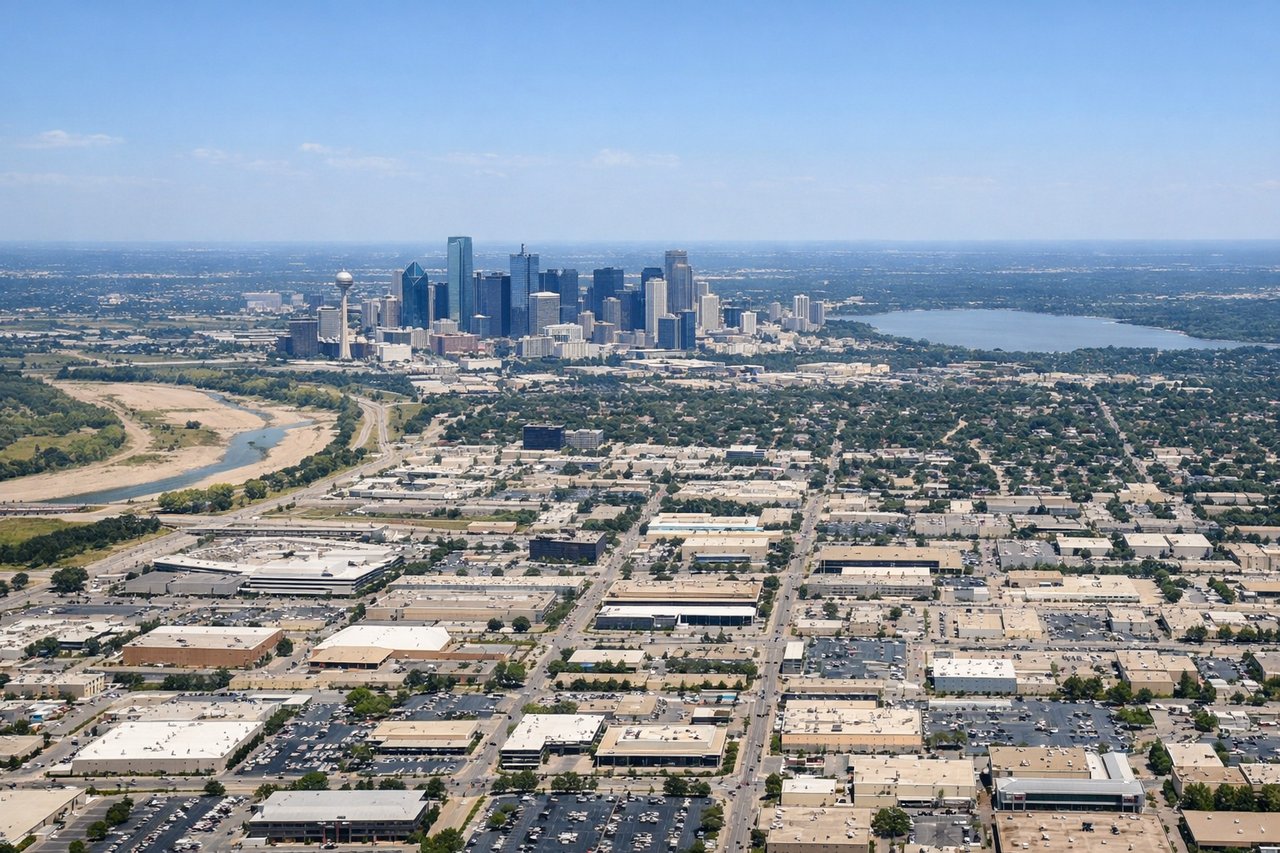
Landing at DAL
LEFTLeft-side seats provide views of the Fort Worth-Dallas metropolitan area, the Trinity River, and the surrounding Texas plains during descent. The aircraft approaches from the northeast, making left-side seats optimal for viewing the city grid and landscape.
Will your flight be in sunlight?
Pick a date and time in the Sun Map to watch the sun move across your whole flight.
About This Route
Which side of the plane should I sit on flying from Tokyo International (HND) to Dallas Love Fld (DAL)?
Sit on the Right side of the plane for the best views on flights from Tokyo to Dallas. The takeoff experience from Tokyo is superior—Mount Fuji, Tokyo Bay, and the Kanto Plain provide more dramatic and iconic scenery than the Dallas approach. While the landing offers urban and river views, the volcanic peak and coastal geography of Japan's departure outweigh the Texas plains arrival.
What can I see during takeoff from Tokyo International in Tokyo?
During takeoff from Tokyo International (HND), sit on the Right side for the best views. Right-side seats offer views of Tokyo Bay, the Kanto Plain, and Mount Fuji during the initial climb-out. The aircraft departs eastbound over water before turning northwest, giving right-side passengers the best vantage of these iconic features. Notable sights include: Tokyo Bay, Mount Fuji (Fuji-san), Kanto Plain urban sprawl, Izu Peninsula coastline.
What can I see when landing at Dallas Love Fld in Dallas?
When landing at Dallas Love Fld (DAL), sit on the Left side for the best views. Left-side seats provide views of the Fort Worth-Dallas metropolitan area, the Trinity River, and the surrounding Texas plains during descent. The aircraft approaches from the northeast, making left-side seats optimal for viewing the city grid and landscape. Notable sights include: Dallas-Fort Worth skyline, Trinity River, Lake Lewisville (north), Texas prairie and farmland.
How long is the flight from Tokyo to Dallas?
The flight from Tokyo International (HND) to Dallas Love Fld (DAL) takes about 11 hours 15 minutes. The shortest flight path between them is 6,458 miles (10,394 km); winds and air traffic control usually add a few percent.
What does the Tokyo to Dallas flight path pass over?
The flight crosses the North Pacific, passing north of the Hawaiian Islands (typically 200+ miles north, not visible), then approaches the North American continent over the Pacific Northwest. Notable features include the Aleutian Islands chain (far north of typical routing), the Canadian Rocky Mountains and British Columbia coast (visible on clear days during the approach to North America), and the Sierra Nevada and Rocky Mountain ranges as the aircraft descends toward Texas.