The left side wins on both ends of the flight: Mount Fuji at departure and the Yamuna/Delhi cityscape at arrival, plus during cruise the great-circle route skirts the southern edge of the Tibetan Plateau, putting distant Himalayan foothills within view on the left side for part of the journey.
Flight Path
The route crosses eastern China near the Yangtze River basin and Sichuan Basin, then skirts the southeastern edge of the Tibetan Plateau, offering distant views of high plateau terrain and Himalayan foothills before descending into the Indo-Gangetic Plain.
Great circle distance and headings ›


.jpg?width=600)
Phase by phase
Takeoff from HND
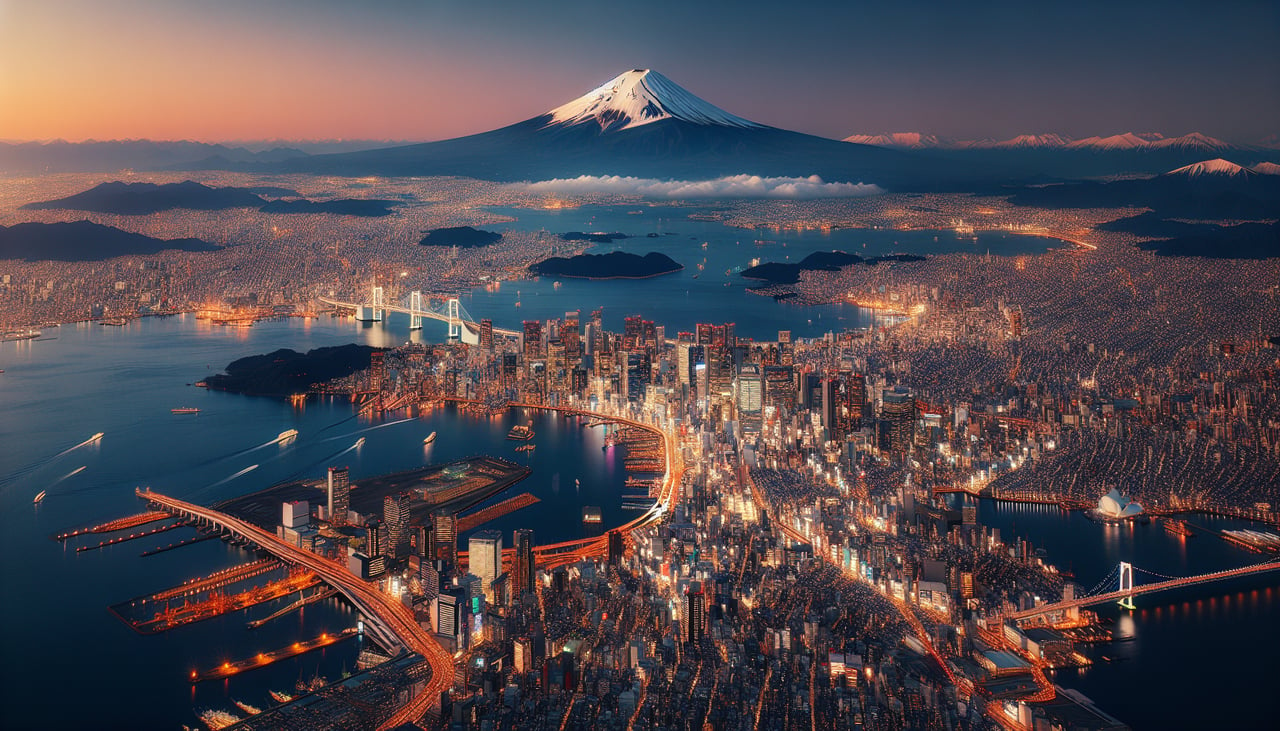
LEFTDeparting HND to the west, the south-facing left side offers a classic view back toward Mount Fuji and the Izu Peninsula coastline as the aircraft climbs out over Tokyo Bay. The right side mostly shows the flatter Chiba/Tokyo urban sprawl with less topographic interest.
Landing at DEL
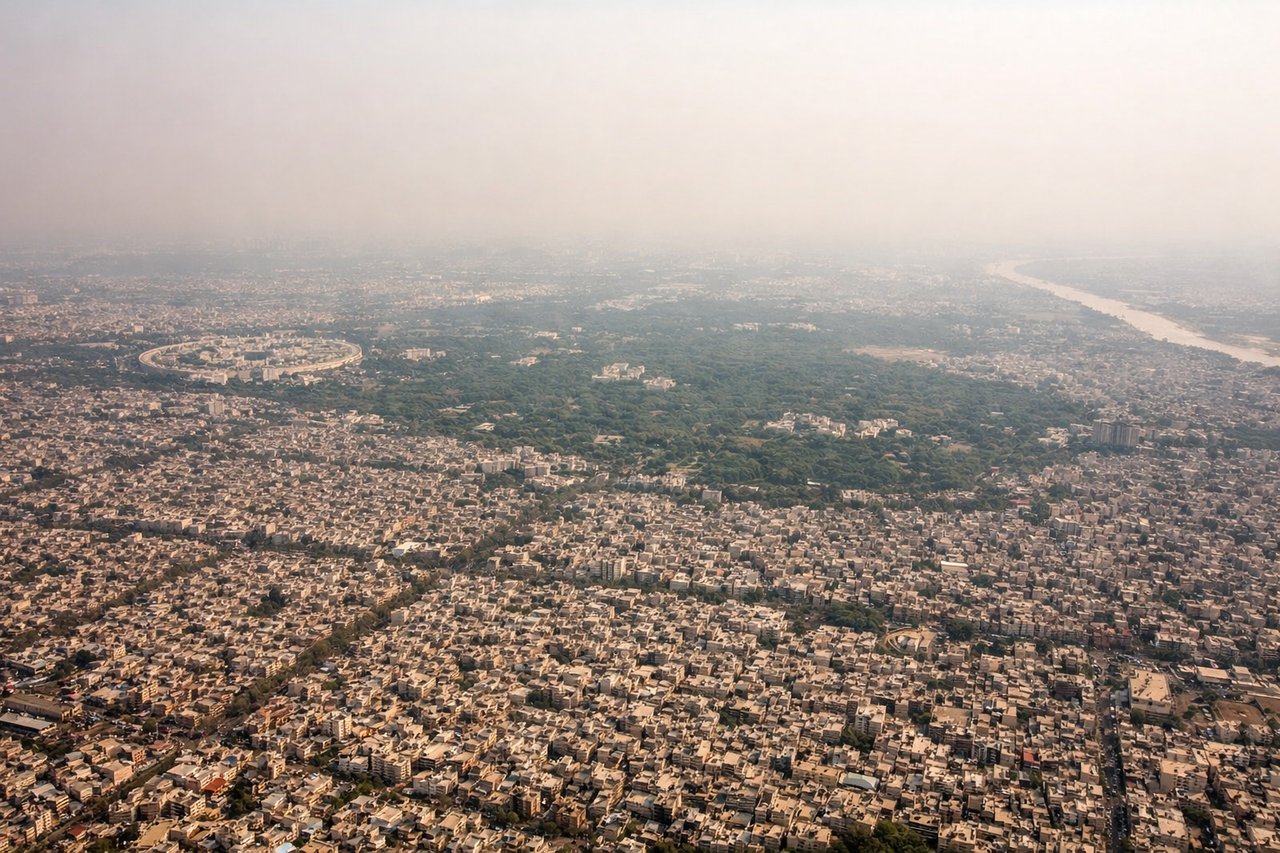
LEFTOn approach into DEL from the east, the left side faces south toward the Yamuna River's winding path through Delhi's dense urban grid, with the distant low ridge of the Aravalli hills occasionally visible on clear days. The right side looks north over flatter, more monotonous Haryana farmland.
Landmarks on this routeAll landmarks →
Will your flight be in sunlight?
See exactly which side of the plane gets sun and shade at your departure time.
About This Route
Which side of the plane should I sit on flying from Tokyo International (HND) to Indira Gandhi International (DEL)?
Sit on the Left side of the plane for the best views on flights from Tokyo to Delhi. The left side wins on both ends of the flight: Mount Fuji at departure and the Yamuna/Delhi cityscape at arrival, plus during cruise the great-circle route skirts the southern edge of the Tibetan Plateau, putting distant Himalayan foothills within view on the left side for part of the journey.
What can I see during takeoff from Tokyo International in Tokyo?
During takeoff from Tokyo International (HND), sit on the Left side for the best views. Departing HND to the west, the south-facing left side offers a classic view back toward Mount Fuji and the Izu Peninsula coastline as the aircraft climbs out over Tokyo Bay. The right side mostly shows the flatter Chiba/Tokyo urban sprawl with less topographic interest. Notable sights include: Mount Fuji, Izu Peninsula coastline, Tokyo Bay, Sagami Bay.
What can I see when landing at Indira Gandhi International in Delhi?
When landing at Indira Gandhi International (DEL), sit on the Left side for the best views. On approach into DEL from the east, the left side faces south toward the Yamuna River's winding path through Delhi's dense urban grid, with the distant low ridge of the Aravalli hills occasionally visible on clear days. The right side looks north over flatter, more monotonous Haryana farmland. Notable sights include: Yamuna River, Delhi urban sprawl, Aravalli ridge (distant), Indira Gandhi International Airport perimeter.
How long is the flight from Tokyo to Delhi?
The flight from Tokyo International (HND) to Indira Gandhi International (DEL) takes 8h 50m.
What does the Tokyo to Delhi flight path pass over?
The route crosses eastern China near the Yangtze River basin and Sichuan Basin, then skirts the southeastern edge of the Tibetan Plateau, offering distant views of high plateau terrain and Himalayan foothills before descending into the Indo-Gangetic Plain.